The Simple Tests That Reveal Your Age – And How to Improve your Balance
Are you noticing a little more wobble in your step? Perhaps you’re hesitant to reach for high shelves, or feel unsteady when navigating uneven ground. Don’t dismiss these feelings. Your balance is a powerful indicator of overall health and a key predictor of longevity.
I’ve spent years working with individuals to improve their functional fitness, and one thing is consistently clear: balance isn’t just for athletes. it’s basic to everyday life, and it’s something you can actively improve at any age. Let’s explore some speedy self-assessments and, more importantly, what you can do about it.
Quick Balance Checks: Where Do You Stand?
Here are a few simple tests you can perform at home to gauge your current balance capabilities. Remember, these aren’t pass/fail scenarios, but rather valuable feedback about your body’s current state.
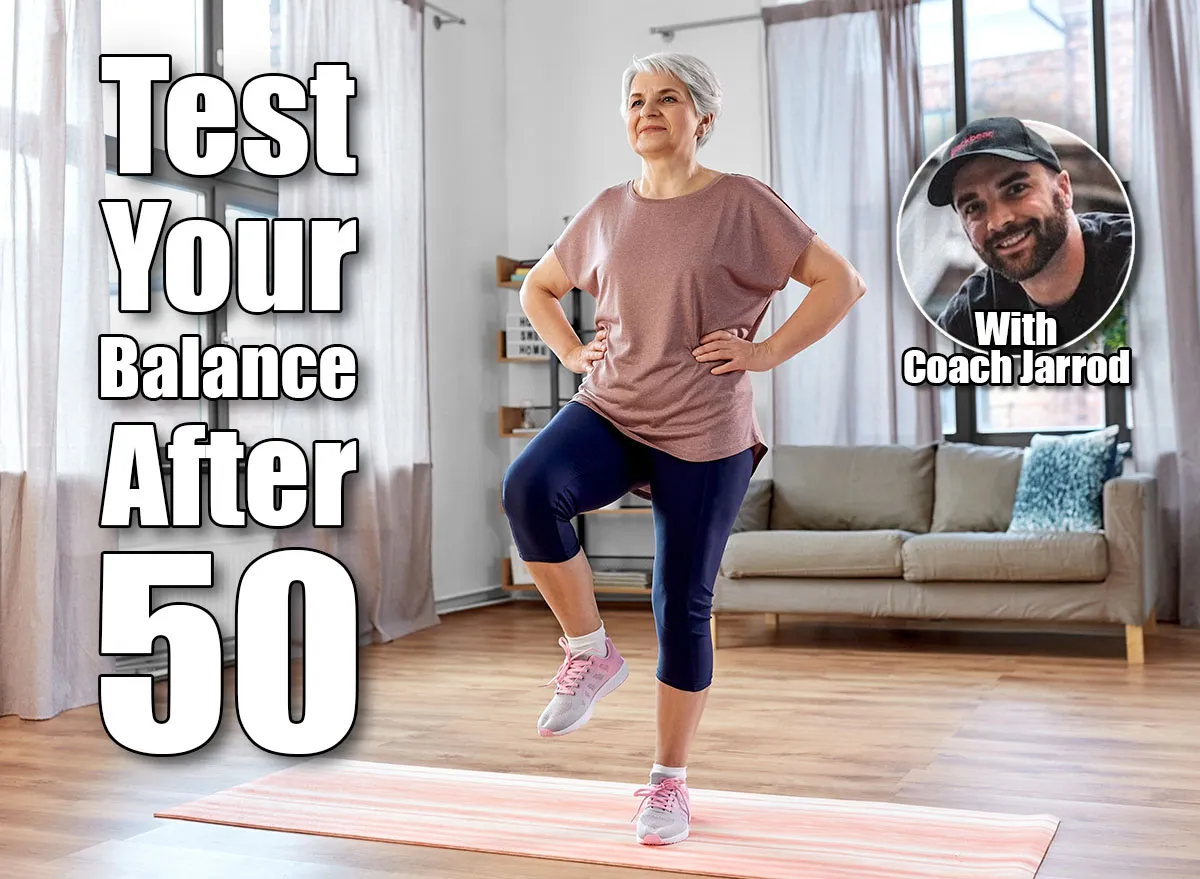
* The Single Leg Stand: Can you stand on one leg for 30 seconds without losing your balance? Try it with your eyes open,then again with them closed (carefully!).
* The Tandem Stance: Position one foot directly in front of the other, heel to toe, like you’re walking a tightrope. Hold this position for 30 seconds.
* The Romberg Test: Stand with your feet together and your eyes closed. Notice any swaying or loss of balance.
* The Chair Stand: Sit in a chair and stand up without using your hands. Repeat 10 times, noting any difficulty or instability.
If you found any of these challenging, don’t be discouraged. Balance naturally declines as we age,but it’s absolutely not an inevitable part of getting older. You have the power to make a difference.
Why Balance Matters – More Than You Think
Maintaining good balance isn’t just about avoiding falls.It’s deeply connected to your overall health and well-being. research shows a strong correlation between balance ability and longevity. A recent study even indicated that individuals with poorer balance had a higher risk of all-cause mortality.
Think about it: good balance allows you to move with confidence, participate in activities you enjoy, and maintain your independence. It also improves your posture, reduces strain on your joints, and enhances your coordination.
Reclaim Your Stability: A Practical Plan
Fortunately, improving your balance is achievable with consistent effort. Here’s a plan to get you started:
* Daily Balance Drills: Incorporate one or two balance exercises into your daily routine. This could be as simple as practicing the single leg stand while brushing your teeth.
* Strength Training: Focus on strengthening your legs and core 2-3 times per week. Squats, lunges, planks, and bridges are excellent choices.
* Mobility Work: Improve the versatility and range of motion in your hips and ankles. Regular stretching and mobility exercises will make a significant difference.
* Progressive Challenges: Once you’ve mastered the basics, gradually increase the difficulty. Try performing exercises on uneven surfaces, adding light resistance, or closing your eyes.
Remember, balance is a skill, just like any other. Consistent training is key. Don’t be afraid to start small and gradually increase the challenge as you improve.
A Long-Term Investment in Your Health
Investing in your balance is an investment in your future. By prioritizing these simple exercises and lifestyle adjustments, you can maintain your mobility, independence, and quality of life for years to come. You’ll move with greater confidence, stability, and a renewed sense of youthful vitality.
Don’t wait until a fall or stumble prompts you to take action. Start today, and experience the transformative power of a well-balanced life.
Worth a look