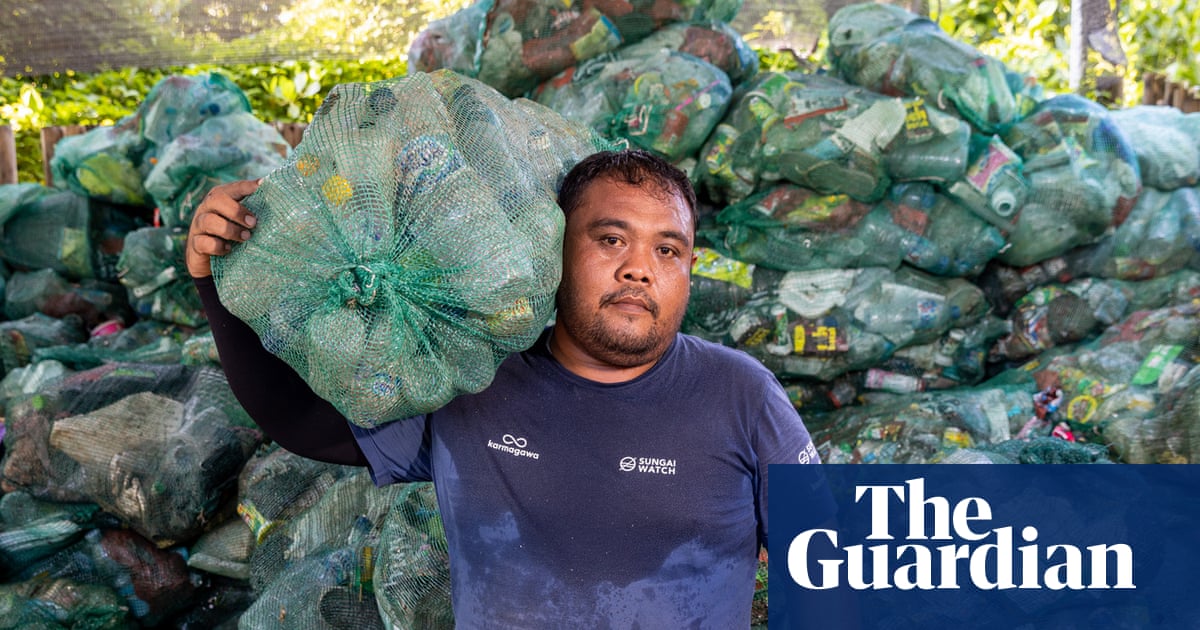
## Bali’s Plastic Crisis: A Paradise Lost and the Fight for Recovery
the idyllic shores of Bali, a destination synonymous with breathtaking beauty and vibrant culture, are facing an escalating environmental crisis. Beginning in January of this year,the island experienced a particularly severe surge in plastic pollution,with waves of debris overwhelming its famed beaches and choking its vital river systems. This isn’t a new problem, but a worsening trend demanding urgent attention. as a visual documentarian, I recently travelled to Bali to capture the stark reality of this situation – the sheer volume of waste and, more importantly, the resilience of the communities battling to reclaim their paradise. My photographic work, currently featured in the 2025 Head On photo festival at bondi Beach promenade until November 30th, aims to amplify their voices and highlight the scale of the challenge.
### The Rising Tide of Plastic: Causes and Consequences
The influx of plastic isn’t solely a local issue; it’s a complex problem stemming from a confluence of factors. Rapid tourism growth, inadequate waste management infrastructure, and the widespread use of single-use plastics all contribute significantly. Indonesia, as a whole, is one of the world’s largest producers of plastic waste, and Bali, with its concentrated tourism and population density, bears a disproportionate burden.
the consequences are devastating. Marine ecosystems are suffering, with plastic ingestion harming wildlife – from microscopic plankton to majestic sea turtles. the economic impact is also substantial, affecting tourism revenue and the livelihoods of those dependent on a healthy marine environment. Beyond the visible pollution, microplastics are entering the food chain, posing potential health risks to both humans and animals. A recent study published in *Environmental Science & Technology* (October 2024) found microplastics present in table salt sourced from Indonesian coastal regions, highlighting the pervasive nature of the contamination.
### Portraits of Resilience: The Peopel on the front Lines
My work focuses on the individuals and organizations tirelessly working to combat the plastic waste crisis. I’ve documented the efforts of local communities organizing beach cleanups, the dedication of waste collectors navigating challenging conditions, and the innovative initiatives repurposing plastic into valuable resources.
One particularly inspiring example is the work of the Griya Recycle initiative in Denpasar. They are transforming discarded plastic into eco-bricks, used for constructing affordable housing and community infrastructure. This not only addresses the waste problem but also provides economic opportunities for local residents. I spent several days with their team, witnessing firsthand the ingenuity and determination required to tackle such a monumental task.
“We believe that waste is not a problem, but a resource. It requires a shift in mindset and a commitment to finding innovative solutions.”
These aren’t isolated efforts. Numerous NGOs and grassroots movements are emerging across Bali, demonstrating a growing awareness and a collective desire for change. Though, they are frequently enough under-resourced and require greater support to scale their impact.
| Challenge | Impacted Area | Potential Solution |
|---|---|---|
| Inadequate Waste Management | Beaches, Rivers, Landfills | Investment in modern waste sorting and recycling facilities |
| tourism-related Waste | Coastal Areas, Tourist Hotspots | Promotion of sustainable tourism practices, reduction of single-use plastics |
| Lack of Public Awareness |