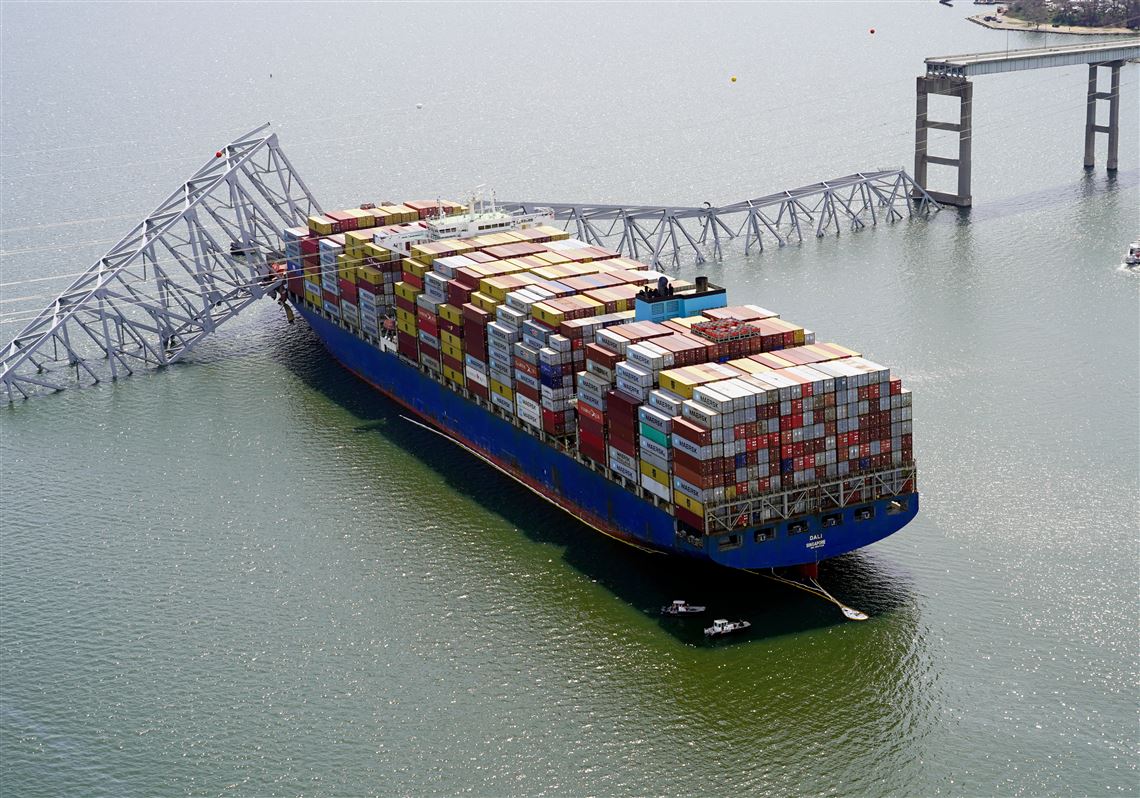
Federal prosecutors have filed criminal charges against the operator and a key employee of the cargo ship that struck and collapsed the Francis Scott Key Bridge in Baltimore, marking a significant escalation in the legal aftermath of the 2024 disaster. The move signals a shift from the initial investigation into the cause of the crash toward a focused effort to hold corporate and individual actors accountable for what officials describe as a preventable catastrophe.
The indictment targets the Singapore-based ship operator and a technical superintendent, alleging that critical decisions made prior to the vessel’s departure from port directly contributed to the collision. The disaster, which occurred on March 26, 2024, resulted in the deaths of six construction workers who were performing road maintenance on the bridge at the time of the impact.
As a specialist in global markets and economic policy, I have followed the ripple effects of this disaster closely. Beyond the immediate human tragedy, the collapse of the bridge crippled one of the East Coast’s most vital logistics hubs, causing massive disruptions to automotive and coal shipments. These new Baltimore bridge collapse charges underscore the severe legal risks facing maritime operators when safety protocols are bypassed in the pursuit of operational efficiency.
The Defendants and Criminal Allegations
The U.S. Department of Justice has named Synergy Marine Pte Ltd., headquartered in Singapore, and Synergy Maritime Pte Ltd., based in Chennai, India, as defendants in the case. Prosecutors have charged Radhakrishnan Karthik Nair, a 47-year-old Indian national who served as the technical superintendent for the container ship Dali. According to official filings from the U.S. Department of Justice, the charges include conspiracy, obstruction of an agency proceeding, and making false statements.
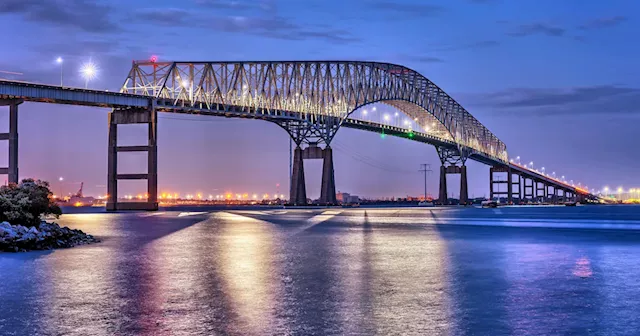
A central component of the indictment is the allegation that the defendants willfully failed to immediately inform the U.S. Coast Guard of a known hazardous condition aboard the vessel. This failure to communicate critical systems issues is viewed by prosecutors as a breach of maritime law and a direct contributor to the ship’s inability to maintain control before striking the bridge support.
“The collapse of the Francis Scott Key Bridge was a preventable tragedy of enormous consequence,” stated Acting Attorney General Todd Blanche in a statement regarding the filing. The prosecution’s case appears to hinge on an FBI investigation that focused on the Dali‘s operations and whether the crew and shore-side management were aware of critical system failures before the ship left the port.
Timeline of a Preventable Disaster
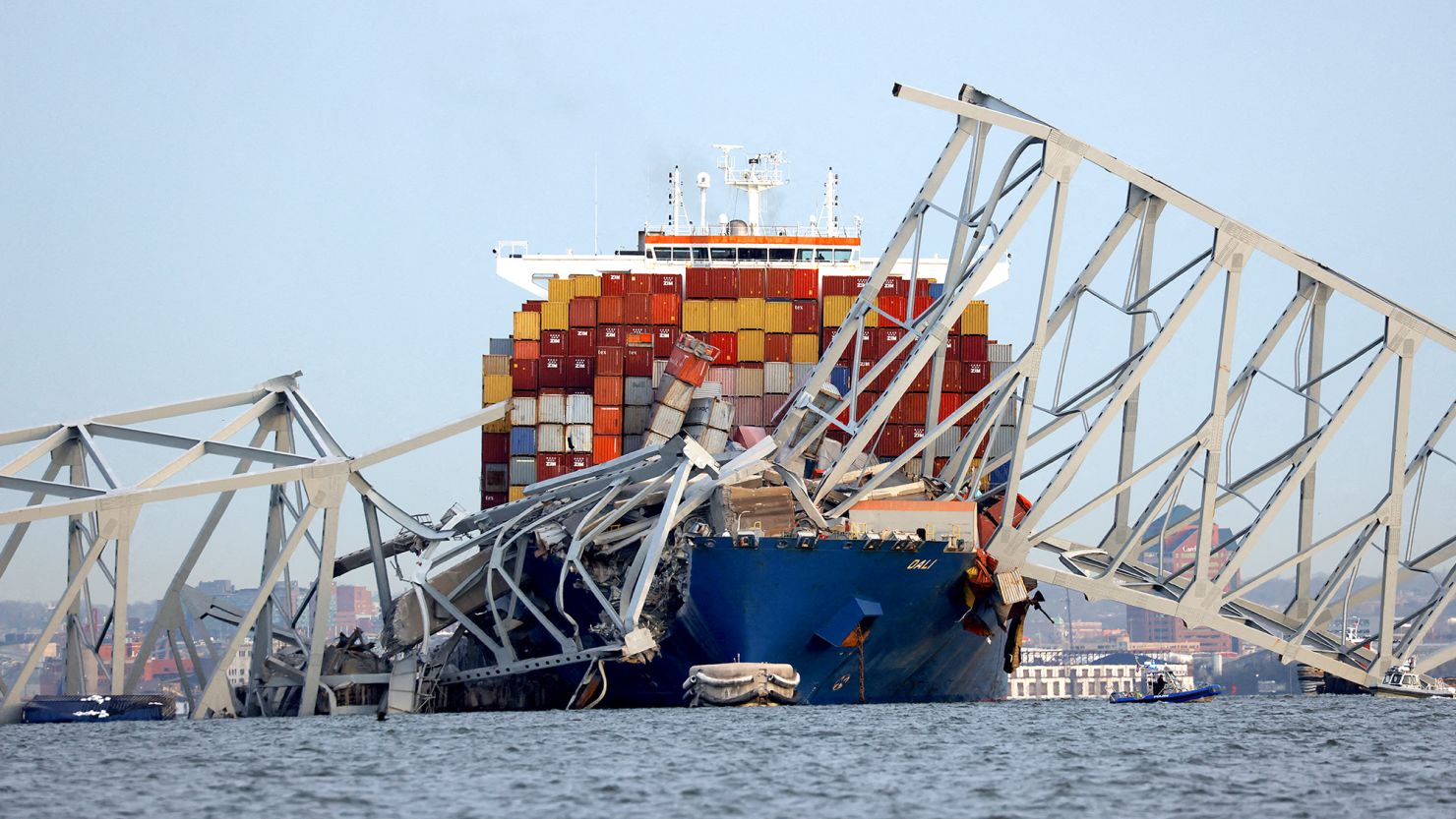
The event that led to these charges began on the morning of March 26, 2024. The Dali, a massive container ship, experienced a loss of power and propulsion shortly after leaving the Port of Baltimore. Despite efforts by the crew to drop anchor and issue a mayday call—which allowed local authorities to stop traffic on the bridge—the vessel struck one of the main support pillars of the Francis Scott Key Bridge, causing an immediate and total collapse of the structure.

The human cost was devastating. Six construction workers, who had been filling potholes on the bridge deck, were killed in the collapse. The scale of the tragedy was compounded by the immediate closure of the Port of Baltimore, which hindered the movement of thousands of tons of cargo and impacted thousands of local jobs. Detailed reports on the event’s timeline and the subsequent rescue efforts have been documented by AP News.
For months, investigators from the National Transportation Safety Board (NTSB) and the FBI have pored over the ship’s voyage data recorder (VDR) and interviewed crew members. The current charges suggest that the “hazardous condition” mentioned by prosecutors was not a sudden mechanical failure, but a known issue that was either ignored or concealed by the technical management of the ship.
Understanding the Legal Stakes: Conspiracy and Obstruction
The inclusion of “conspiracy” and “obstruction of an agency proceeding” in the indictment elevates this case from a matter of civil negligence to a criminal prosecution. In maritime law, conspiracy charges typically imply that two or more parties agreed to commit an illegal act—in this case, potentially concealing the ship’s unseaworthiness from regulators.
Obstruction charges suggest that the defendants may have intentionally misled federal investigators or withheld evidence during the post-crash inquiry. For a technical superintendent like Radhakrishnan Karthik Nair, the responsibility typically involves ensuring the vessel is mechanically sound and compliant with international safety standards. If it is proven that Nair and the Synergy companies knew the Dali was unsafe but allowed it to sail regardless, the legal penalties could be severe.
This case serves as a warning to the global shipping industry. The “willful failure” to notify the Coast Guard of hazardous conditions is a serious violation of the Ports and Waterways Safety Act, which is designed to prevent exactly this type of urban infrastructure disaster.
Broader Economic and Industry Impact
From an economic perspective, the collapse of the Key Bridge was more than a transportation failure; it was a systemic shock to the regional supply chain. The Port of Baltimore is a primary hub for “Ro-Ro” (roll-on/roll-off) cargo, specifically automobiles and heavy machinery. The closure of the channel forced a massive redirection of shipping traffic to other East Coast ports, increasing costs for consumers and logistics firms alike.
The pursuit of criminal charges against Synergy Marine and Synergy Maritime reflects a growing trend of “corporate accountability” in maritime disasters. Historically, many ship-strike incidents were settled through civil insurance claims. However, the scale of the Baltimore disaster—and the evidence of potential negligence—has prompted the U.S. Government to seek a higher level of deterrence.
Stakeholders affected by this legal battle include:
- The Families of the Victims: Who seek justice for the six workers killed in the collapse.
- The City of Baltimore: Which continues to manage the long-term economic recovery and the rebuilding of the bridge.
- Global Shipping Firms: Who must now navigate stricter scrutiny regarding the reporting of “hazardous conditions” before entering U.S. Waters.
- Insurance Underwriters: Who face potentially billions of dollars in claims, which may be impacted if criminal negligence is proven.
Key Takeaways from the Indictment
- Defendants: Synergy Marine Pte Ltd (Singapore), Synergy Maritime Pte Ltd (India), and technical superintendent Radhakrishnan Karthik Nair.
- Primary Charges: Conspiracy, false statements, and failure to notify the U.S. Coast Guard of known hazardous conditions.
- Core Allegation: The disaster was preventable and resulted from decisions made by ship operators, and management.
- Casualties: The crash led to the deaths of six construction workers on March 26, 2024.
As the legal process unfolds, the focus will likely shift to the internal communications between the Dali‘s crew and the shore-side management at Synergy. The evidence will need to show not just that a failure occurred, but that the defendants knew of the risk and chose to proceed, or actively worked to hide that knowledge from the U.S. Government.
The next confirmed checkpoint in this case will be the initial court appearances and arraignments for the defendants, where the court will determine bail conditions and the timeline for discovery. We will continue to monitor the filings as this case moves toward trial.
Do you believe criminal charges are the right path for ensuring maritime safety, or should these disasters be handled through civil litigation? Share your thoughts in the comments below.
Worth a look