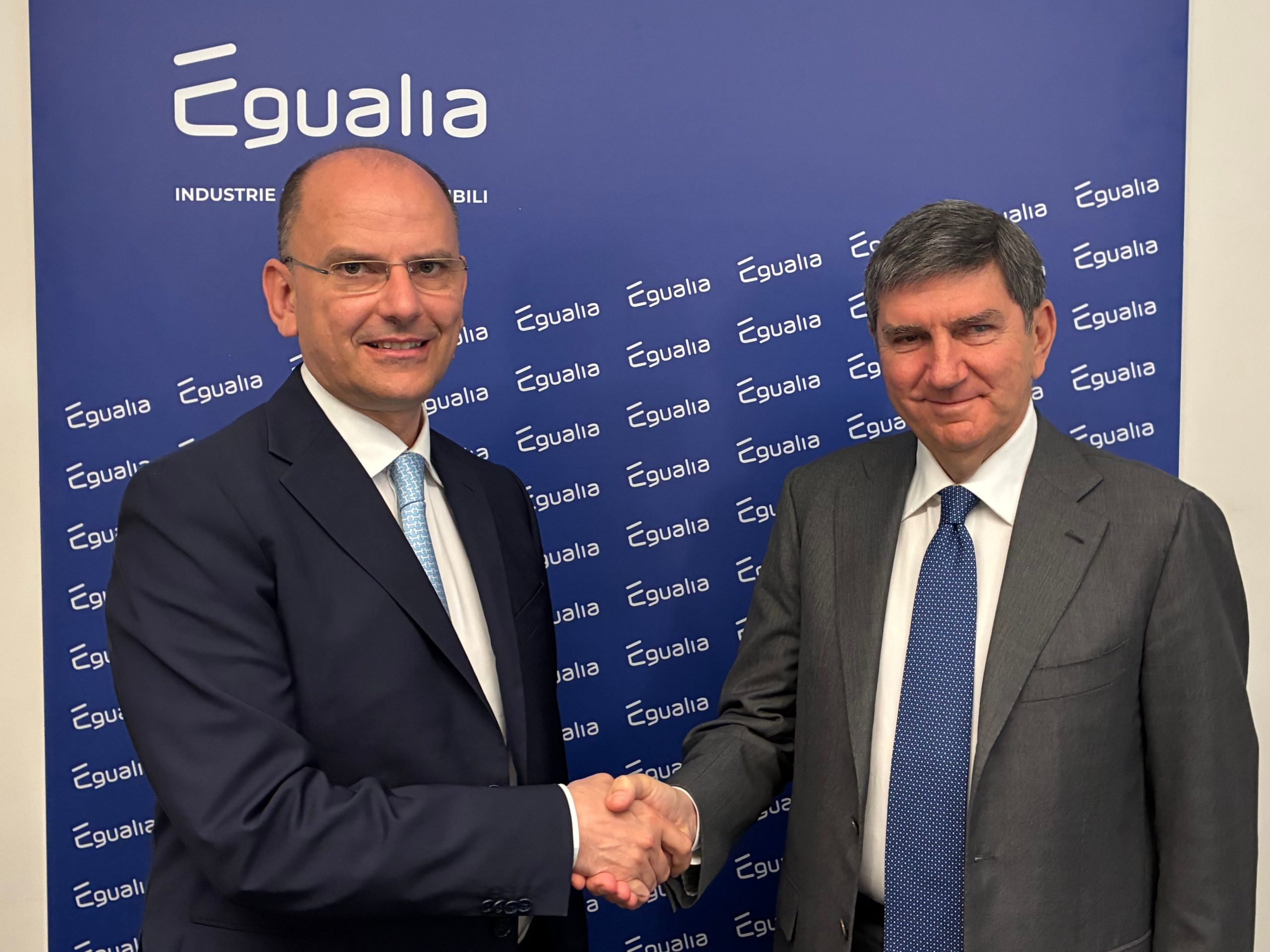
In an era where the pace of biotechnological innovation is accelerating, the bridge between scientific discovery and market availability is often built on the strength of available capital. The pharmaceutical sector, characterized by high research and development (R&D) costs and long regulatory lead times, requires a specialized approach to financing that traditional retail banking often fails to provide. This structural gap is the primary driver behind the recent strategic agreement between Banca del Fucino and Egualia, aimed at expanding credit access for pharmaceutical companies.
The partnership represents a calculated effort to merge traditional banking stability with specialized industrial consultancy. By developing dedicated credit solutions, the two entities intend to mitigate the risks associated with lending to the healthcare sector while providing firms with the liquidity necessary to scale operations, invest in new patents, and navigate the complex clinical trial process. For the Italian and broader European markets, this move signals a growing trend toward “sector-specific banking,” where financial institutions move away from generic loan products toward bespoke instruments tailored to the unique cash-flow cycles of high-tech industries.
From my perspective as an economist, this collaboration addresses a critical pain point in the European pharmaceutical ecosystem. Many small and medium-sized enterprises (SMEs) in the biotech space possess immense intellectual property value but struggle with “collateral gaps”—where their primary assets are intangible patents rather than physical real estate. By partnering with Egualia, Banca del Fucino is effectively integrating a layer of specialized expertise to better assess the viability of these intangible assets, thereby lowering the barrier to entry for essential funding.
Bridging the Financing Gap in Life Sciences
The pharmaceutical industry operates on a timeline that is often antithetical to standard banking quarterly reviews. The journey from a laboratory concept to a commercially viable drug can take over a decade, involving billions of dollars in investment with no guarantee of a regulatory win. This inherent volatility often makes traditional lenders hesitant, leading many pharma firms to rely exclusively on venture capital or equity dilution, which can strip founders of control early in the company’s lifecycle.
The agreement between Banca del Fucino and Egualia is designed to offer an alternative. By creating dedicated credit lines, the partnership aims to provide “patient capital”—financing that understands the milestones of drug development. This involves moving beyond simple balance-sheet lending and toward a model that considers the projected value of a pharmaceutical pipeline.
Key areas where these dedicated solutions are expected to make an impact include:
- R&D Liquidity: Providing working capital to sustain laboratory operations during the “valley of death”—the period between initial discovery and the first successful human trials.
- Scaling Infrastructure: Funding the transition from laboratory-scale production to Good Manufacturing Practice (GMP) certified facilities.
- Regulatory Compliance: Financing the rigorous and expensive documentation and testing processes required by agencies such as the European Medicines Agency (EMA) and the U.S. Food and Drug Administration (FDA).
The Role of Specialized Consultancy in Risk Mitigation
One of the most significant hurdles for banks entering the pharmaceutical space is the “information asymmetry” between the lender and the borrower. A loan officer at a general commercial bank may not have the technical expertise to evaluate the probability of success for a new monoclonal antibody or a novel gene therapy. This is where Egualia enters the equation.
Egualia acts as the technical and strategic bridge, providing the analytical framework necessary to translate scientific potential into financial risk metrics. By evaluating the technical maturity of a company’s projects, Egualia allows the bank to apply more precise risk-weighting to its loans. This reduction in uncertainty allows for more competitive interest rates and more flexible repayment terms for the pharmaceutical firms involved.
This model of “expert-led lending” is becoming increasingly vital as the global economy shifts toward a knowledge-based structure. When a bank can verify the quality of a patent or the strength of a clinical trial’s early data through a trusted partner, the perceived risk drops, and the flow of credit increases. This synergy is essential for maintaining a competitive edge in the global healthcare market, particularly for European firms competing with the massive capital reserves of U.S. And Chinese pharmaceutical giants.
Strategic Implications for the Italian Pharma Ecosystem
Italy possesses a robust pharmaceutical tradition, with a strong concentration of chemical and biological expertise. However, the fragmentation of the sector—characterized by many highly specialized SMEs—has historically made it difficult for these firms to access large-scale credit without significant collateral. The Banca del Fucino-Egualia initiative is a direct response to this fragmentation.
By focusing on the specific needs of the pharma sector, the partnership helps to stabilize the supply chain for essential medicines. When smaller biotech firms have reliable access to credit, they are less likely to be forced into premature acquisitions by larger conglomerates, thereby preserving a diverse ecosystem of innovation. This diversity is crucial for the development of “orphan drugs”—treatments for rare diseases that may not offer the massive returns required by venture capitalists but are essential for public health.
this initiative aligns with broader European Union goals to strengthen “strategic autonomy” in healthcare. The lessons of the COVID-19 pandemic highlighted the danger of over-reliance on external sources for active pharmaceutical ingredients (APIs) and vaccine production. Strengthening the financial health of domestic pharmaceutical companies is not just a business objective; it is a matter of economic and health security.
Comparing Traditional vs. Specialized Pharma Credit
| Feature | Traditional Commercial Credit | Specialized Credit (Banca del Fucino/Egualia) |
|---|---|---|
| Collateral Focus | Physical assets (Real estate, Equipment) | Intellectual Property & Pipeline Value |
| Risk Assessment | Generic credit scoring/Financial ratios | Technical validation & Milestone analysis |
| Repayment Terms | Fixed monthly/quarterly schedules | Flexible terms tied to R&D milestones |
| Speed of Approval | Slow (due to lack of sector knowledge) | Accelerated (due to specialized consultancy) |
The Broader Economic Context: Interest Rates and Innovation
The timing of this agreement is particularly relevant given the current macroeconomic environment. With the European Central Bank (ECB) managing a delicate balance of inflation control and growth support, the cost of borrowing has risen significantly over the last two years. For capital-intensive industries like pharmaceuticals, higher interest rates can stifle innovation by making the cost of debt prohibitive.
In this environment, the “generic” loan becomes a liability. Companies need financial instruments that are structured to minimize the burden of interest during the non-revenue-generating phases of development. The solutions being developed by Banca del Fucino and Egualia likely include structured credit, revolving lines of credit, or hybrid instruments that bridge the gap between debt and equity.
As a financial journalist, I have observed that the most successful economic recoveries often stem from the ability of the financial sector to adapt to the needs of the “real economy.” When banks stop acting as mere warehouses of capital and start acting as partners in industrial growth, the results are typically seen in increased patent filings, higher employment in high-skill sectors, and a more resilient national GDP.
What Happens Next?
The immediate focus for the Banca del Fucino and Egualia partnership will be the rollout of these dedicated credit products. Pharmaceutical companies seeking to leverage this new framework should prepare detailed technical dossiers and pipeline valuations, as the “specialized” nature of this credit will require a deeper level of transparency regarding their scientific milestones than a standard bank loan would.
The success of this initiative will likely be measured by the volume of credit deployed into the sector over the next 18 to 24 months and the subsequent growth in R&D expenditure among the participating firms. If this model proves successful, it is highly probable that other regional banks across Europe will adopt similar partnership models with specialized consultancies to unlock credit for other high-tech sectors, such as green energy and semiconductors.
For stakeholders in the pharmaceutical industry, the next critical checkpoint will be the official release of the specific credit guidelines and eligibility criteria for these new solutions. Companies are encouraged to monitor official communications from Banca del Fucino regarding the application process for these sector-specific instruments.
Do you believe specialized banking partnerships are the key to unlocking biotech innovation in Europe, or should the focus remain on government grants and venture capital? Share your thoughts in the comments below or share this analysis with your network.
Worth a look