Thailand Addresses Labor Shifts Following Cambodian Worker return
Thailand is currently navigating a dynamic shift in its migrant worker landscape. Recent events have prompted an increase in laborers from diverse nations seeking employment within the country, according to industry analysis. This follows a period of repatriation by Cambodian workers, creating both challenges and opportunities for Thai employers.
Recent Trends in Migrant Labor
From January through August,Thailand experienced a 23% surge - approximately 70,000 workers – in its migrant workforce. This increase is directly linked to escalating tensions and a border dispute with Cambodia, wich led to a temporary outflow of cambodian laborers.
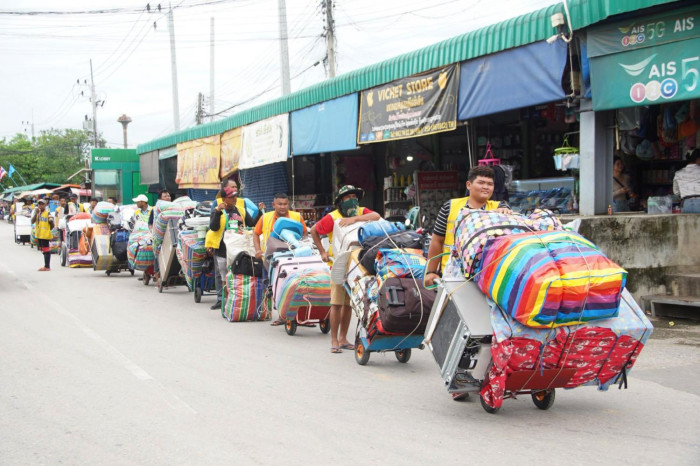
The conflict, which included incidents like a rocket impacting a Thai 7-Eleven and subsequent Thai airstrikes, prompted many Cambodian workers to return home in late July. These workers are crucial to key sectors like agriculture, fisheries, construction, and manufacturing, particularly within provinces like Prachin Buri.
Initial Concerns & Adaptive Strategies
Initially, employers expressed concerns about potential labor shortages. However, these anxieties have largely subsided as alternative solutions have emerged.You’ll find that employers are proactively adapting to the changing dynamics.
Several key strategies are being implemented:
* Work Permit Extensions: The Thai cabinet approved a six-month extension for existing work permits. This provides immediate relief and stability for migrant workers already in the country.
* Extended Renewal Options: Eligible workers can extend their permits for an additional two years after the initial extension,with the possibility of renewing again for another two years.
* Wage Adjustments: Employers are responding to the need for labor by increasing wages and offering more overtime opportunities. This makes Thailand a more attractive destination for workers from other countries, even exceeding the government’s minimum wage standards.
* new Recruitment Partnerships: thailand has formalized agreements to recruit workers from other nations.
Expanding Recruitment Efforts
Thailand is actively diversifying its recruitment sources to ensure a stable labor supply. A memorandum of understanding (MoU) with Sri Lanka aims to bring in 10,000 sri Lankan workers, with potential for expansion to 40,000.
Furthermore, authorities are planning to recruit additional workers from Myanmar, including those currently residing in thailand as refugees. This approach addresses both labor needs and humanitarian concerns.
The Broader Migrant Workforce Landscape
Currently, Thailand hosts nearly 4 million migrant workers. The majority – around 80% – originate from Myanmar, followed by workers from Laos, Vietnam, and Cambodia.
The number of Cambodian workers has decreased from a previous range of 20,000-30,000 imported under a bilateral MoU. It’s notable to note that the recent return of Cambodian workers included both those with legal work permits and those working informally.
Looking Ahead
Thailand’s response to these shifts demonstrates a commitment to maintaining a robust and adaptable labor force. By proactively addressing potential shortages and diversifying recruitment efforts, the country aims to support its economic growth while ensuring fair labor practices. You can expect continued adjustments and refinements to these strategies as the situation evolves.
Related reading