
Deadly Factory Fire in Dhaka Highlights Bangladesh’s Industrial Safety Crisis
A devastating fire ripped through a factory in Dhaka, Bangladesh, on Tuesday, claiming dozens of lives and sparking renewed concerns about industrial safety in the nation. Initial reports indicate at least 49 fatalities, with the grim possibility of that number rising as recovery efforts continue. Fire service director Tajul Islam Chowdhury confirmed the ongoing search for victims.
the blaze erupted around midday on the third floor of a seven-story building in the Mirpur area. Witnesses suggest the fire quickly spread to a neighboring chemical warehouse containing highly flammable materials like bleaching powder, plastic, and hydrogen peroxide, according to fire department official Talha Bin Jashim.
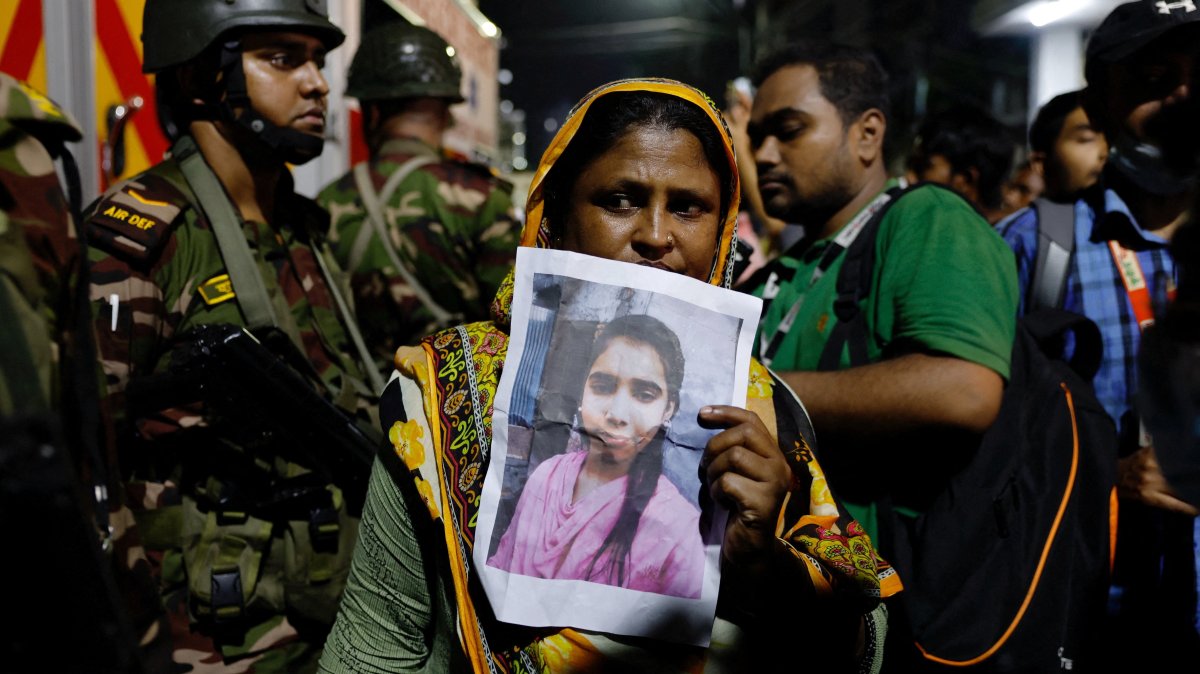
Heartbreaking scenes unfolded as grief-stricken relatives desperately searched for loved ones,many clutching photographs in hopes of identification. Authorities, including the police and army, are currently working to locate the factory owners.
Investigations are underway to determine the cause of the fire and whether the chemical warehouse operated with the necessary permits. Preliminary details suggests the warehouse may have been operating illegally, a claim authorities aim to confirm through a thorough inquiry.
A History of Tragedy
This incident is tragically not isolated. Bangladesh has a long and troubling history of industrial disasters stemming from lax safety regulations and inadequate building standards. These recurring tragedies cast a shadow over the country’s vital textile sector, which employs 4 million people and contributes over 10% to Bangladesh’s GDP.
Consider these past events:
* 2013 Rana Plaza Collapse: Over 1,100 garment workers lost their lives when the Rana Plaza building unexpectedly collapsed.
* Recurring Fires: Dozens of fires occur annually in Bangladeshi factories, ofen due to unsafe conditions and a lack of preventative measures.
These disasters underscore a systemic problem that demands urgent attention.
Muhammad Yunus, head of Bangladesh’s interim government, expressed profound sorrow over the tragedy and has directed authorities to investigate the fire’s cause and provide extensive support to victims and their families.
You might be wondering what contributes to these ongoing issues. Several factors are at play:
* Insufficient Enforcement: Existing regulations are frequently enough poorly enforced, allowing unsafe practices to persist.
* Lack of Oversight: Inadequate oversight of chemical storage and handling creates hazardous conditions.
* Prioritization of profit: A focus on maximizing profits sometimes overshadows the importance of worker safety.
Firefighting units worked for nearly three hours to bring the factory blaze under control, with 12 units ultimately involved. Tho, the fire at the adjacent warehouse continued to burn, requiring the assistance of the Bangladesh Army, police, and border guard in the rescue operation.
This latest tragedy serves as a stark reminder of the urgent need for comprehensive reforms to prioritize worker safety and prevent future disasters.It’s a challenge that requires a concerted effort from the government, factory owners, and international stakeholders to ensure a safer and more sustainable future for Bangladesh’s industrial workforce.





![Literary Trivia Quiz: Test Your Book Knowledge | [Your Brand/Site Name]](https://i0.wp.com/static01.nyt.com/images/2025/12/22/opinion/22Quiz-Literary-Trivia/22Quiz-Literary-Trivia-facebookJumbo.png?resize=150%2C100&ssl=1 "Literary Trivia Quiz: Test Your Book Knowledge | [Your Brand/Site Name]")


![UK Alcohol Consumption: Record Lows & Changing Drinking Habits | [Year] Data](https://i0.wp.com/i.guim.co.uk/img/media/5087295f493410f26d3de148bac78c75a884b66e/213_41_4621_3697/master/4621.jpg?resize=150%2C100&ssl=1 "UK Alcohol Consumption: Record Lows & Changing Drinking Habits | [Year] Data")