A severe measles outbreak in Bangladesh has reached a critical juncture, with health officials and aid organizations reporting that more than 500 children have died since the virus began to spread rapidly in mid-March. Despite the scale of the crisis, which has seen more than 60,000 suspected cases across the country, international attention has remained remarkably limited, leaving local healthcare systems struggling to manage the influx of patients.
The vast majority of those affected are children under the age of 5. As of Sunday, May 24, 2026, the humanitarian toll continues to climb, placing immense pressure on medical facilities in both rural areas and the capital, Dhaka. The situation highlights the ongoing challenges of maintaining vaccination coverage and the potential for infectious diseases to overwhelm resources in densely populated regions.
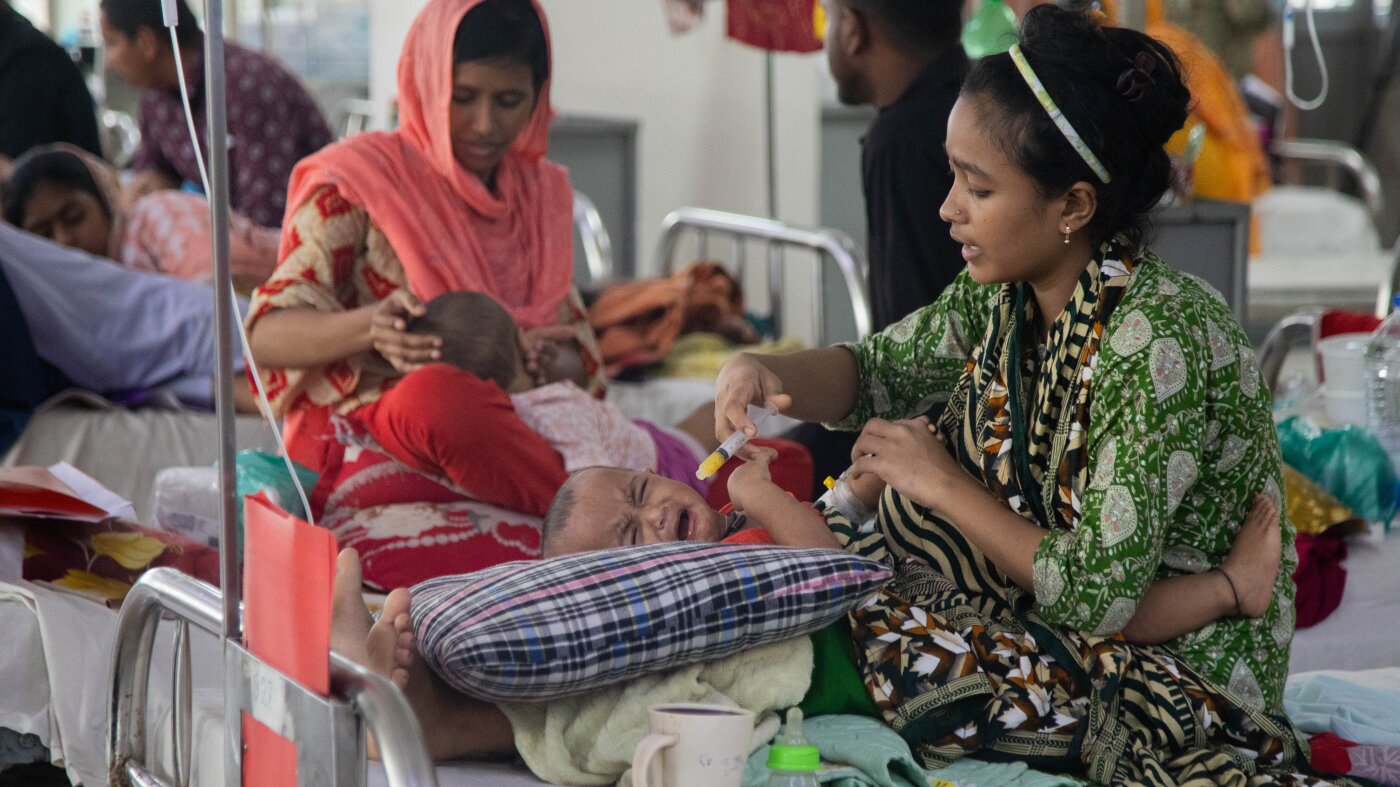
Thirteen-month-old Jannat cries as her mother Sohana, a garment worker, tries to feed her. The child is hospitalized for measles at DNCC Hospital in Dhaka, Bangladesh. (Image credit: Anike Rahman for NPR)
A System Under Extreme Strain
The current measles outbreak has exposed significant vulnerabilities within the regional health infrastructure. For many families, the path to care is fraught with logistical and medical hurdles. In cases where local clinics lack the specialized equipment or capacity to treat severe complications—such as persistent vomiting, diarrhea, and extreme lethargy—families are often forced to travel long distances to major urban centers.
However, even in the capital, the surge in patients has led to situations where hospitals are forced to turn away families due to a lack of available beds and resources. This “silent situation,” as described by international aid observers, has left many parents navigating the crisis with little support, as the global health community focuses its limited bandwidth on other emerging outbreaks. The strain on the healthcare system is not merely a matter of bed capacity, but also of the specialized nursing and supportive care required to help children recover from the secondary complications often associated with measles.
The Clinical Reality of the Outbreak
Measles is a highly contagious viral disease that typically presents with a fever and a characteristic rash. While the majority of individuals who contract the virus recover within a few weeks, the infection can be life-threatening, particularly in populations with lower vaccination rates or limited access to medical intervention. The current crisis in Bangladesh underscores the importance of public health surveillance and the necessity of robust immunization programs to prevent such large-scale outbreaks.
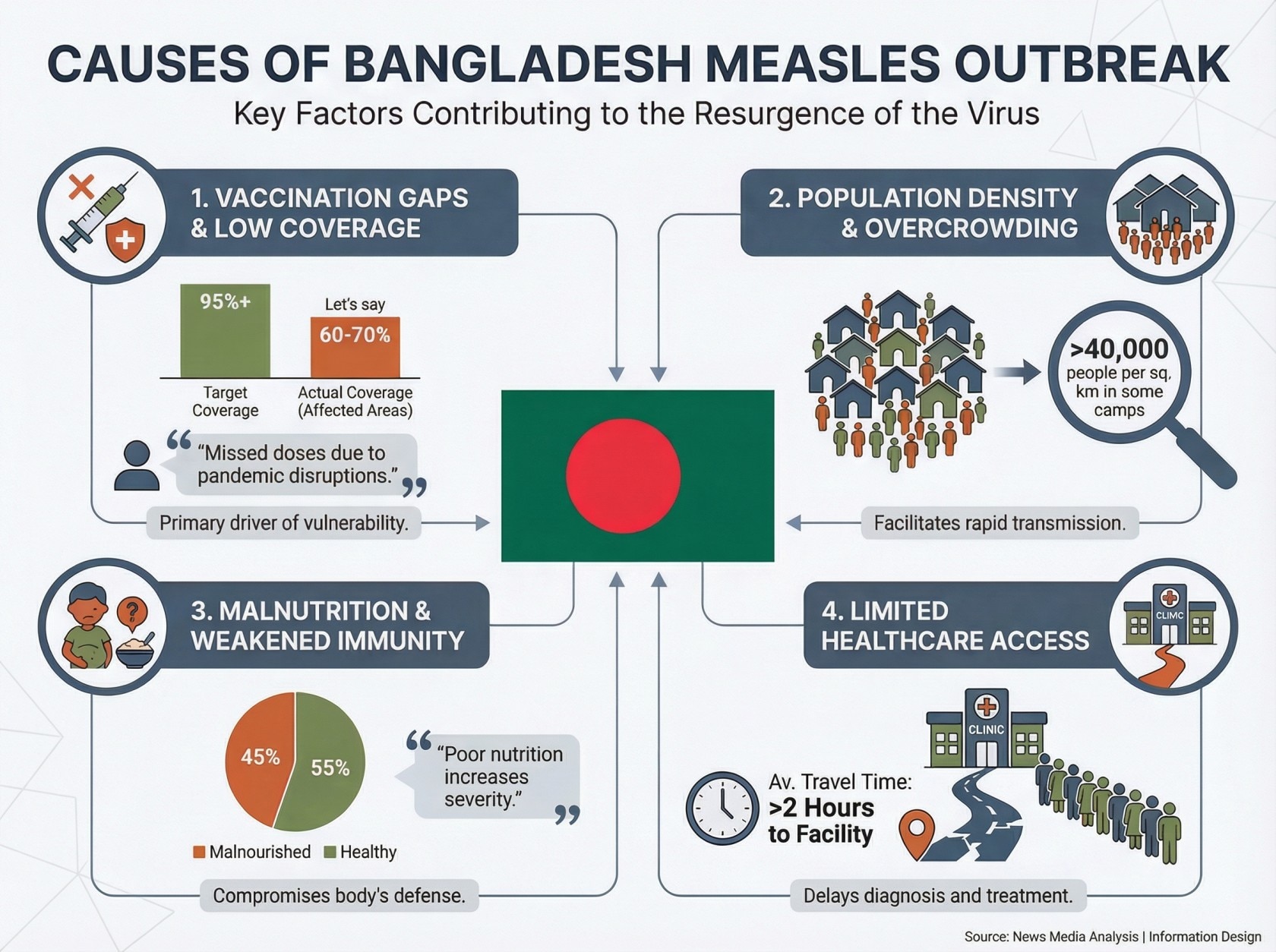
According to health experts, the primary defense against such outbreaks remains consistent vaccination coverage. Disruptions to routine immunization services, whether due to economic factors, systemic strain, or other humanitarian crises, can lead to a rapid accumulation of susceptible individuals, creating the conditions necessary for a significant outbreak to take hold. As the country moves forward, the focus remains on stabilizing the current patient load and evaluating the broader public health response required to contain the virus.
Moving Forward: Addressing the Crisis
As the international community monitors the situation, the immediate priority for authorities in Bangladesh is to ensure that critical care is accessible to those most at risk. This involves not only managing the current surge in cases but also implementing strategies to bolster diagnostic capacity and improve the distribution of life-saving medical supplies to the areas most affected by the virus.
The persistence of this outbreak serves as a stark reminder of the global nature of health security. When routine medical services are overwhelmed, the consequences are often felt most acutely by the most vulnerable members of society. Future updates on the status of the outbreak, including any new public health measures or immunization drives, will be essential for families and health workers on the ground. We will continue to track developments as official reports become available.
Have you been affected by the current health crisis or do you have insights on the ground? We encourage our readers to share their perspectives and stay informed through official local health updates. Please join the conversation below and share this report to help bring awareness to this ongoing humanitarian challenge.
Worth a look