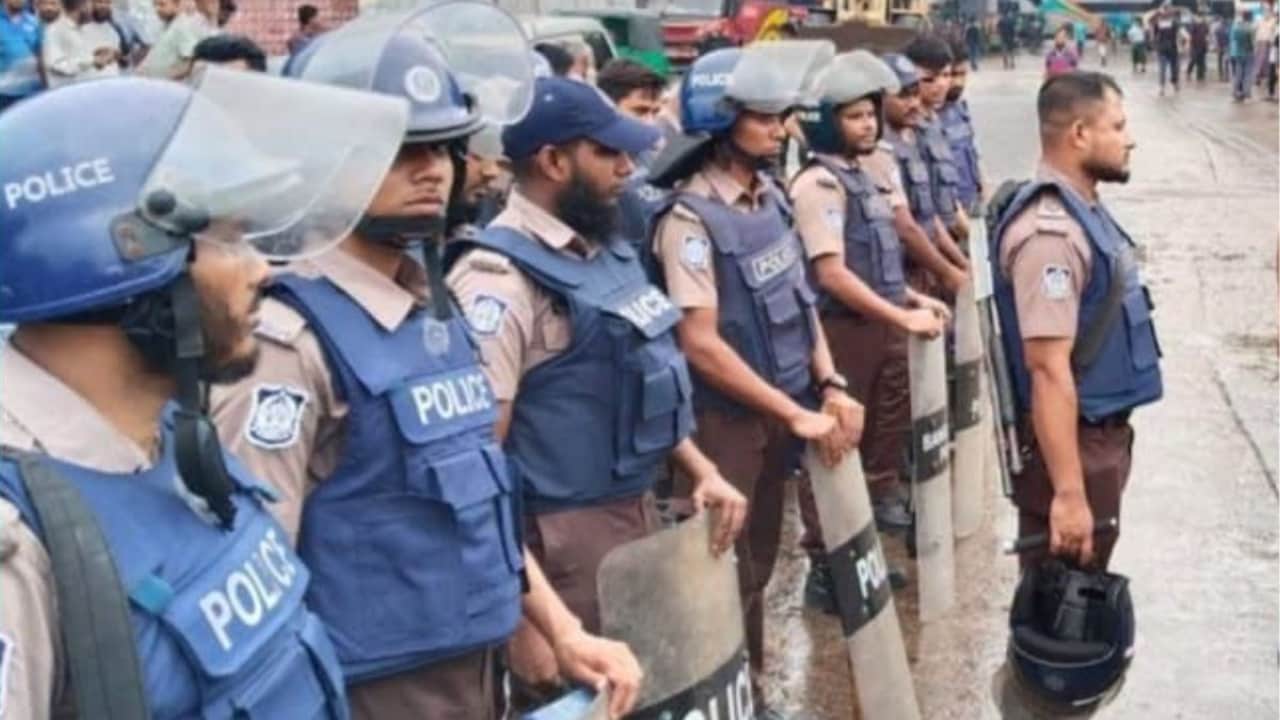
Law enforcement authorities in Bangladesh have launched an investigation into the Fatah Combat System (FCS), a martial arts organization, following the arrest of several instructors and students on allegations of involvement in militant activities. The probe, which has drawn significant attention from national security agencies, centers on claims that the organization’s specialized training modules were being repurposed to facilitate extremist operations. According to reports from the Dhaka Metropolitan Police (DMP), the arrests were conducted as part of a wider crackdown on individuals suspected of utilizing combat training for anti-state activities.
The investigation highlights a growing concern among regional security experts regarding the potential for extremist groups to infiltrate legitimate sports and fitness organizations. As the legal proceedings unfold, the focus has shifted toward the organizational structure of the Fatah Combat System and the nature of the training provided to its members. The Counter-Terrorism and Transnational Crime (CTTC) unit, a specialized branch of the Bangladesh Police, is currently analyzing seized documents and digital evidence to determine the extent of the alleged radicalization within the institution.
Investigation Origins and Security Concerns
The anti-terror probe gained momentum following intelligence reports suggesting that specific martial arts training sessions were serving as recruitment grounds for militant outfits. Security officials have stated that the investigation is designed to identify whether the Fatah Combat System was aware of the activities occurring within its facilities or if its infrastructure was exploited by external actors. The legal basis for these actions falls under the Anti-Terrorism Act of 2009, which grants authorities broad powers to investigate and detain individuals suspected of participating in or supporting extremist organizations, as detailed in the official text of the Bangladesh Anti-Terrorism Act.

Authorities have not yet released the full list of detainees, but confirmed that the group includes both instructors and senior students. The involvement of a student leader, whose identity has been noted in preliminary police briefings, has complicated the narrative, drawing scrutiny toward the intersection of student activism and militant recruitment. The CTTC continues to hold the suspects in custody for interrogation, citing the need to map out potential networks that may extend beyond the martial arts facility.
Legal Framework and Institutional Scrutiny
The legal challenges facing the Fatah Combat System underscore the complexities of monitoring niche training organizations in a climate of heightened national security. The Bangladesh Police have emphasized that the investigation is not aimed at the sport of martial arts itself, but rather at the misuse of combat techniques for illegal, violent purposes. Under current regulations, any institution found to be providing training that facilitates terrorist acts or provides logistical support to proscribed entities faces severe penalties, including the permanent closure of their facilities and the seizure of assets.

Legal analysts following the case suggest that the prosecution will need to establish a clear link between the training provided at the FCS and specific militant actions to secure convictions. The burden of proof remains with the state, and the defense is expected to challenge the interpretation of the training curriculum. As reported by major local news outlets like The Daily Star, the government has maintained a zero-tolerance policy toward any form of militant training, regardless of the guise under which it is presented.
Wider Impact on the Martial Arts Community
The arrests have sent ripples through the broader athletic community in Bangladesh, leading to increased self-regulation among other martial arts academies. Organizations are now facing pressure to implement stricter background checks for new members and to maintain transparent records of their training programs. This shift reflects a broader effort by the Ministry of Home Affairs to prevent the radicalization of youth through sports-based organizations, a trend that security agencies have been monitoring closely over the past several years.
The impact on the students involved, particularly those who may have been unaware of the alleged extremist links, remains a point of concern for human rights advocates. While the state emphasizes the necessity of the probe to ensure national security, the potential for long-term social stigmatization of legitimate athletes is a factor that observers are watching closely. The authorities have stated that they are committed to a transparent legal process, though they have not provided a specific timeline for the conclusion of the investigation.
Next Steps in the Judicial Process
The immediate next step in this legal matter is the formal filing of charges by the CTTC, which will trigger the commencement of bail hearings and trial proceedings in the special anti-terrorism courts. Supporters and family members of the accused are expected to monitor the upcoming hearings, which will serve as the first major public test of the evidence gathered by investigators. The court is expected to review the digital forensic reports and witness testimonies collected during the initial phase of the detention.

Updates regarding the investigation will be provided through official channels, including press releases from the Dhaka Metropolitan Police and notifications from the Ministry of Home Affairs. For those following the case, official court dockets and government gazettes remain the most reliable sources for information on upcoming hearing dates and legal rulings. Further developments, including any potential indictments or motions for bail, are anticipated in the coming weeks as the investigation enters its next phase.
We invite our readers to share their perspectives on the balance between national security and the integrity of community organizations in the comments section below. Stay tuned to World Today Journal for continued, fact-based reporting on this developing story.
Keep reading