Banvelca, a prominent family office managing more than $70 billion in assets, is urging institutional investors and market participants to fundamentally rethink their approach to modern economic friction by designing resilient organizations capable of thriving amid persistent volatility, according to recent statements released by the firm. As global markets grapple with overlapping geopolitical tensions, rapid technological acceleration, and ongoing trade conflicts, leadership at the institution argues that market turbulence should no longer be treated as a temporary exception to the rule.
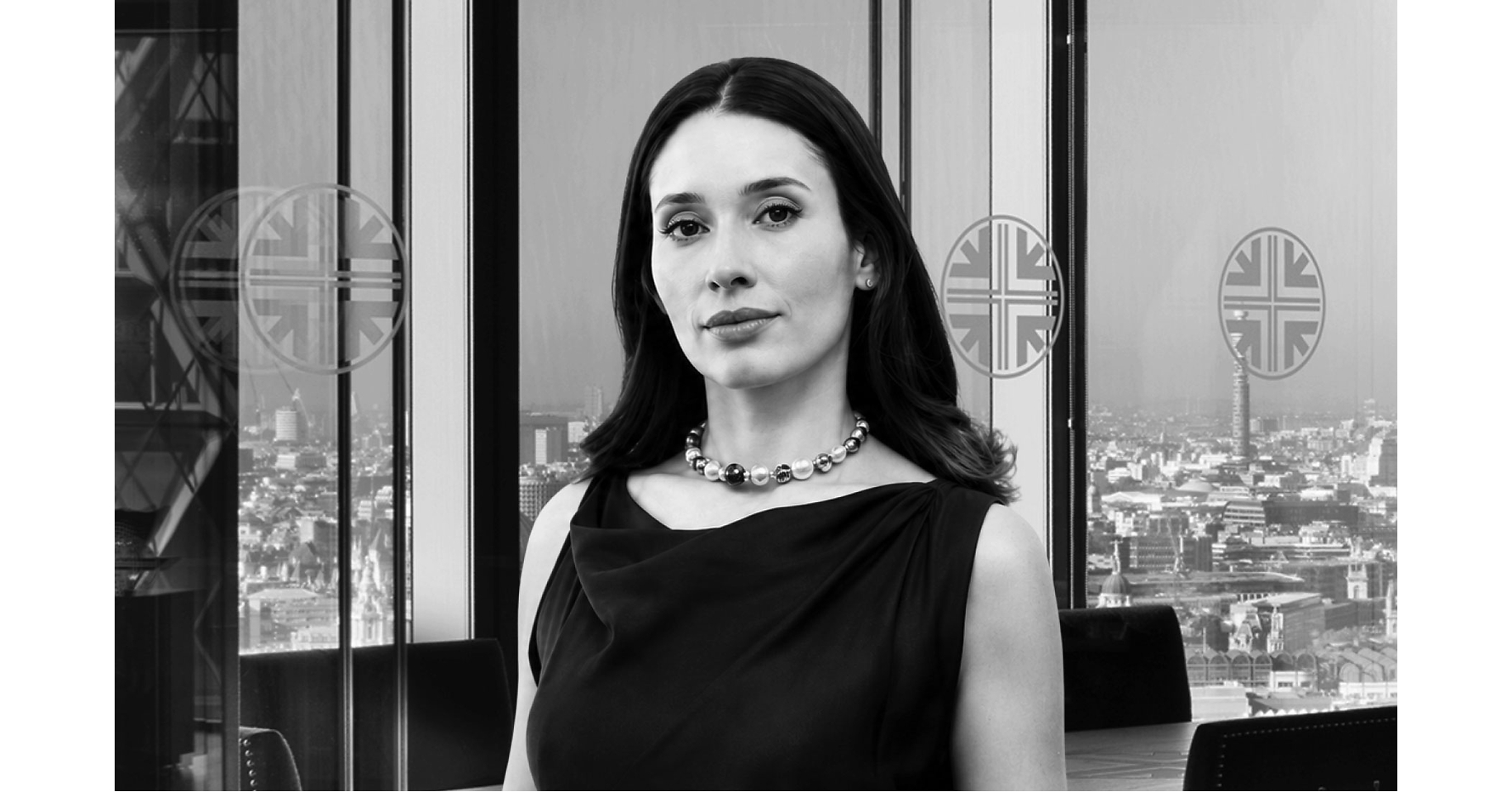
For Isabela Herrera, principal at Banvelca and a representative of the eighth generation of the Herrera Velutini banking family, the shift toward permanent instability requires a complete overhaul of how financial institutions deploy capital. “Lo verdaderamente importante no es intentar predecir cada movimiento, sino mantener un proceso de inversión disciplinado que permita tomar decisiones racionales incluso cuando el entorno se vuelve complejo,” Herrera stated, emphasizing that operational consistency and disciplined execution outweigh speculative forecasting in contemporary finance.
Operating as a long-term enterprise tracing its roots back to 1781, Banvelca bases its corporate ethos on adaptability and risk management. Herrera noted that maintaining a conservative financial posture does not mean sitting on the sidelines or avoiding the market entirely. Instead, the firm advocates for selective risk-taking backed by rigorous analytical frameworks rather than chasing short-term market enthusiasm.
As chief executive officer, Herrera oversees international institutional development, cross-border initiatives, and long-term enterprise expansion. In addition to her executive duties at the family office, she holds a cum laude degree in Finance and Data Science from the NYU Stern School of Business and previously worked as a senior associate at PricewaterhouseCoopers in New York. In that role, she specialized in integration strategies and financial modeling for large-scale mergers and acquisitions involving Fortune 100 financial institutions and insurance companies.
Institutional Discipline Over Market Prediction
According to leadership at Banvelca, the primary differentiator for successful global enterprises during turbulent economic cycles is not the ability to forecast isolated political or monetary events. Rather, it is the internal culture and the discipline embedded within an organization’s core processes. “La ventaja competitiva no está en reaccionar más rápido, sino en mantener la claridad suficiente para actuar con disciplina cuando el entorno invite a hacer lo contrario,” Herrera explained, highlighting the importance of structural resilience.
The firm’s historical continuity across multiple centuries of financial and political shifts informs its perspective on structural disruption. Rather than viewing uncertainty as a barrier to growth, Banvelca treats ongoing market disruption as a baseline operating condition. This institutional philosophy shapes how the multi-billion-dollar office evaluates cross-border opportunities, ensuring that capital allocation remains anchored in long-term stability rather than reactive adjustments.
Bridging Traditional Finance and Digital Assets
Beyond traditional wealth management and institutional structuring, Herrera has focused strategic attention on the convergence between legacy financial systems and digital assets. Drawing on her quantitative background in data science and financial modeling, the firm views the intersection of traditional banking frameworks and blockchain-based assets as a core component of the future global financial architecture.
Worth a look