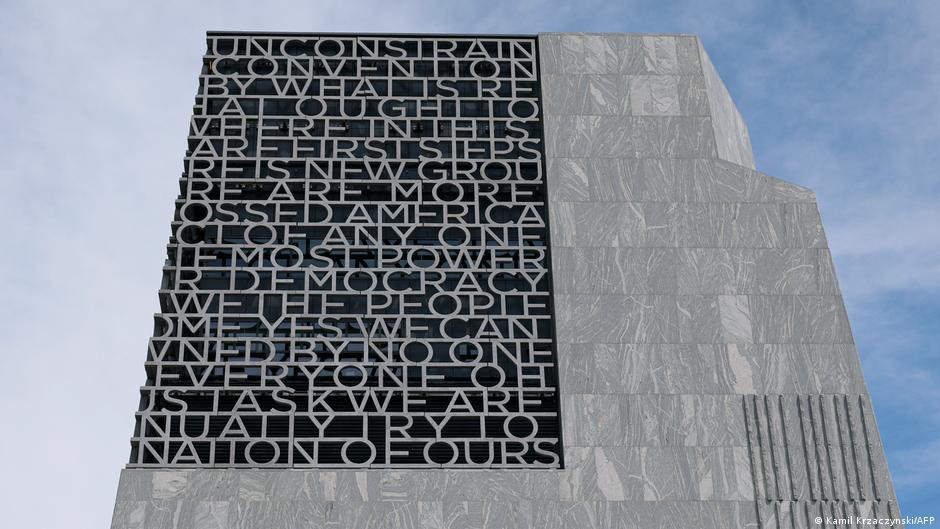
The Barack Obama Presidential Center, a multi-faceted campus located in Chicago’s Jackson Park, officially opened its doors to the public this week, marking a significant milestone in the preservation of the 44th U.S. President’s legacy. The project, which has been in development for over a decade, serves as a hub for civic engagement, community programming, and historical exhibition, situated on the city’s South Side where Barack Obama first began his career in public service.
The inauguration of the Barack Obama Presidential Center draws a direct line from the former president’s community organizing roots to a modern, physical space designed to foster future leadership. According to the Obama Foundation, the center is not a traditional presidential library, but rather a campus intended to serve as a “living, working, non-partisan” site for global discourse on democracy and social change.
Architectural Vision and Community Integration
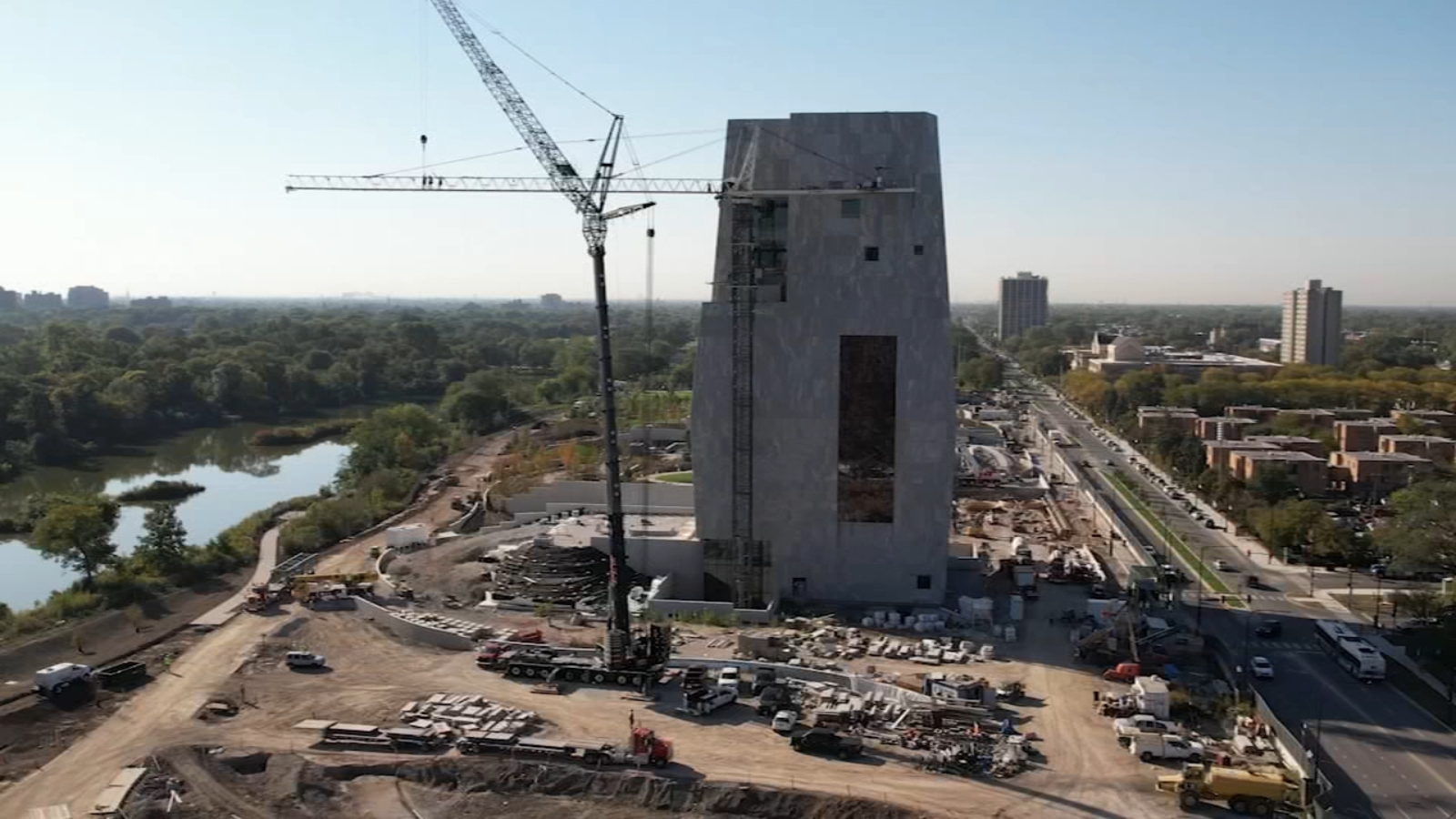
Spanning approximately 19 acres within the historic Jackson Park, the center’s design reflects a deliberate effort to blend institutional space with public recreational areas. The project has been a subject of significant local scrutiny and planning, involving extensive environmental reviews and community impact assessments led by the City of Chicago and federal partners. The site includes a museum, a branch of the Chicago Public Library, and an athletic center, all aimed at providing direct resources to the surrounding South Side neighborhoods.

The development process faced legal and procedural hurdles, including a multi-year federal review process under the National Environmental Policy Act (NEPA) to ensure the preservation of the park’s historic landscape. According to the National Park Service, these reviews are standard for projects impacting public land and historic districts. The final design, led by architects Tod Williams and Billie Tsien, incorporates sustainable building practices aimed at achieving LEED certification, a standard for energy-efficient construction in urban environments.
A Hub for Civic Engagement
Beyond its function as an archive for presidential papers—which are managed separately by the National Archives and Records Administration (NARA)—the center is positioned as a laboratory for leadership development. The Obama Foundation has stated that the facility will host training programs for young leaders from around the world, continuing the work of the Obama Fellows program. This focus on “shared responsibilities as citizens” was a recurring theme during the opening ceremonies, emphasizing the role of the center in training the next generation of activists and public servants.

The inclusion of a Chicago Public Library branch within the campus highlights the foundation’s stated goal of creating a “community-first” institution. By integrating public services into the center, the planners aimed to ensure the site remains a daily destination for local residents rather than solely a tourist attraction for visitors interested in presidential history.
Economic and Social Impact on the South Side
The construction of the center has been a major economic driver for Chicago, with the Obama Foundation reporting that the project generated thousands of jobs during the building phase. The long-term economic impact is expected to include increased tourism revenue for the South Side and the creation of permanent staff positions at the museum and administrative offices. However, the project has also sparked ongoing discussions regarding gentrification and housing affordability in the immediate vicinity of Jackson Park.
According to the Chicago Department of Housing, the city has implemented specific policies to support local homeowners and renters in the Woodlawn and South Shore areas to mitigate the risk of displacement. These initiatives include the Woodlawn Housing Preservation Ordinance, which provides protections for tenants and incentives for the development of affordable housing units near the new center.
What Happens Next
With the opening ceremonies concluded, the focus shifts to the center’s daily operations and the rollout of its initial exhibition schedule. The Obama Foundation is expected to provide updates on public ticket availability and programming calendars through their official visitor portal. As the center settles into its role within the Chicago landscape, it will likely serve as a case study for how modern, mission-driven presidential centers can balance historical preservation with active community participation.
The next phase of the center’s development will involve the expansion of its digital archives and the hosting of its first major global leadership summit, which is tentatively scheduled for the coming year. Residents and visitors are encouraged to monitor the foundation’s website for announcements regarding public forums and community volunteer opportunities. Please feel free to share your thoughts on the center’s impact in the comments section below.
Worth a look