Barcelona experienced a summer climate pattern where it registered more torrid nights—where minimum temperatures remained at or above 25 degrees Celsius—than tropical nights, defined as lows between 20 and 24.9 degrees Celsius, according to local meteorological data.
The shift highlights a warming urban microclimate in the Catalan capital, where nighttime cooling has become increasingly difficult. Meteorological records from the Barcelona-El Raval station documented 45 torrid nights compared to 29 tropical nights so far this year.
According to weather reporting compiled by the Catalan News Agency (ACN) and detailed by elnacional.cat, the Meteocat station in the Raval neighborhood recorded 36 nights from June 1 to August 31 where temperatures never dipped below 25 degrees Celsius. That specific measurement marks a threshold higher than any recorded across two decades of observations at that station, and higher than any other station in the country this century, while 88 of the 92 summer nights in El Raval qualified as tropical nights.
The nighttime heatwave conditions formed part of a broader regional temperature anomaly across Catalonia. Regional meteorological figures reported by elnacional.cat indicate that daytime temperatures surpassed 35 degrees Celsius on two out of every three days across the three summer months—a frequency recorded only three times during the 25 years of the current century. Furthermore, 17 days reached the 40-degree mark, matching a record last seen in 2001.
The Progression of Torrid Nights Over the Last Decade
The transformation of Barcelona’s nocturnal climate represents a departure from historical baselines. In 2016, the Raval station logged 57 tropical nights alongside just four torrid nights. In contrast, in 2025, during the same period, the counts stood at 46 tropical nights and 24 torrid nights, while the 2024 period recorded 40 tropical and 19 torrid nights.
This year’s progression accelerated, with the first torrid night arriving as early as May—an exceptional occurrence for that time of year. With 45 torrid nights accumulated, 2026 becomes the year with the most records of this type in Barcelona, surpassing the 28 torrid nights counted in 2022, which until now marked the historical maximum of the last decade.
Geographic variations within the metropolitan area remained pronounced. While central urban districts endured nights above 25 degrees Celsius—particularly during two heatwaves spanning June 20 to July 5 and August 9 to 19—elevated sites experienced milder conditions. Monitoring stations located in Collserola and Zona Universitària recorded only eight torrid nights, according to elnacional.cat.
Other municipalities across Catalonia also registered extreme nighttime lows. Portbou approached the threshold of a scorching or “infernal” night—where temperatures fail to drop below 30 degrees Celsius—logging a regional seasonal high on June 29. Portbou accumulated 10 torrid nights overall between June and August, matching the total recorded at El Prat de Llobregat near the port zone. Meanwhile, Badalona recorded 16 torrid nights, Begues documented seven, and Monistrol de Montserrat registered four.
Health Risks Associated with Persistent Nighttime Heat
Public health researchers emphasize that extreme nighttime temperatures present risks that can surpass the dangers of daytime heat exposure. Interdisciplinary research conducted by teams at the Universitat Politècnica de Catalunya (UPC) points to sustained warm nights as one of the primary causes of heat-related mortality in Barcelona.
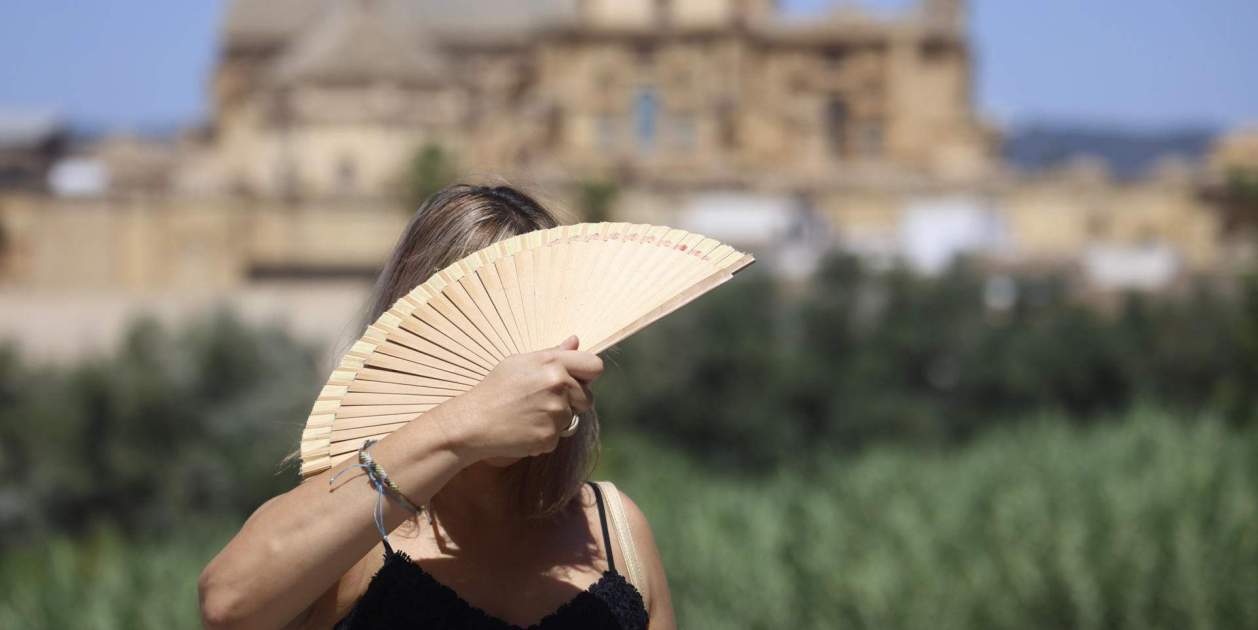
An epidemiological analysis of temperature and mortality records spanning 2007 to 2018 attributed 721 fatalities to sustained nighttime warmth, compared to 571 premature deaths linked to peak daytime maximum temperatures. The findings indicate a 26 percent higher mortality burden associated with nocturnal heat compared to daytime heat.
The research identifies 24 degrees Celsius as a critical health threshold. Once nighttime minimums remain above this mark, the risk of mortality begins to climb, particularly when warm nights persist across three days. Sleep disruption and lack of rest can affect vulnerable populations.
Next Steps and Official Guidance
We invite our readers to share their thoughts and perspectives on urban climate adaptation in the comments section below.
- $9.1 Million Luxury Yacht Sinks Off Sardinia Days After Delivery to New Owner
- What We Know About the USS Abraham Lincoln Crisis: Mental Health Struggles and CENTCOM’s Response
- Europe Wildfires Force Thousands to Flee Amid Record Heatwave (archynewsy.com)
- Europe Battles New Wave of Wildfires Amid Extreme Heatwaves (world-today-news.com)