The erosion of Democratic Vocation in the Gambia: A Test for West Africa
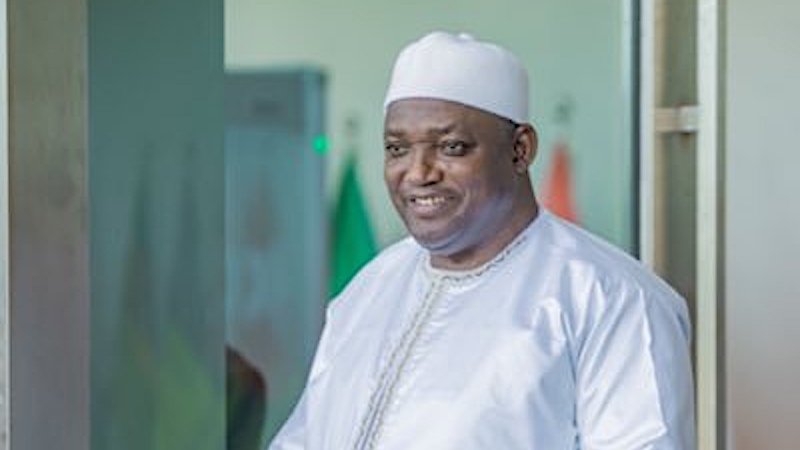
The gambia stands at a critical juncture. The nation, once celebrated for its peaceful transition of power, now faces the sobering consequences of a leader prioritizing personal ambition over the foundational principles of constitutional governance. President adama Barrow’s decision to seek a third term, despite widespread public opposition and a prior commitment to a limited presidency, isn’t merely a political maneuver; it’s a profound test of democratic resilience in a region grappling with democratic backsliding.
Recent polling data paints a stark picture of the political landscape Barrow has cultivated.A comprehensive survey conducted by Gambia Participates and CepRass (August 19, 2025 – findings widely reported in major news outlets) reveals that a considerable 60% of Gambians do not intend to vote for him, with a meager 19% expressing support. This represents a dramatic decline in fang majiyo aniƞ horromo niƞ boo-ñaa – the traditional Gambian values of affability and respectability – qualities that initially propelled Barrow to power. This pattern resonates deeply with Max Weber’s analysis of political leadership. Weber argued that when leaders abandon a genuine “democratic vocation” – a commitment to ethical leadership and the rule of law – in favor of power retention, they inevitably erode their legitimacy, a deficit that proves exceptionally difficult to repair.
The looming 2026 election isn’t simply about who wins; it’s about the very future of Gambian democracy. Can a leader demonstrably lacking popular support secure victory legitimately? If Barrow prevails despite the overwhelming negative sentiment, it will cast a long shadow over the integrity of the electoral process, fueling distrust and potentially igniting instability. Conversely, should he lose, the question becomes whether he will respect the outcome, or whether The gambia will be plunged into another constitutional crisis, mirroring the turbulent period preceding his ascension to the presidency. These are not hypothetical concerns; they are existential threats to the nation’s hard-won stability.
The Moral Weight of Leadership: Beyond Constitutional Technicalities
Weber, in his seminal lecture “Politics as a Vocation,” emphasized the crucial balance between passion and perspective, hope and responsibility. He argued that true political leadership demands the courage to pursue the seemingly impossible while remaining firmly grounded in reality. For Barrow, the “impossible” was once within reach: to be remembered as the leader who definitively liberated The Gambia from the long shadow of Yahya Jammeh‘s authoritarian rule. Achieving this legacy, however, required the most difficult political act imaginable – voluntarily relinquishing power. it demanded prioritizing institutional strength and democratic precedent over personal ambition and constitutional maneuvering.
The tragic irony is that Barrow’s initial successes – ending Jammeh’s oppressive regime,maintaining a period of relative stability,and fostering unprecedented freedoms – provided the very foundation for the democratic consolidation he now appears intent on dismantling. He earned the trust of the Gambian people precisely because of his commitment to democratic principles. Though, the Gambia Participates-CepRass survey demonstrates a significant erosion of that trust, with only 35% of respondents supporting his third-term bid. Further betraying this trust wouldn’t just tarnish his legacy; it would reinforce the cynical narrative that genuine democracy is unattainable in Africa.
The stakes extend beyond constitutional debates. The 2026 election will determine whether The Gambia continues down a path of elite resource capture and the undervaluing of state assets, or whether it recommits to accountability and inclusive economic development. Barrow’s choice is a test of whether liberation can deliver not only political freedom but also economic justice – a crucial component of sustainable democracy.
A Warning Heeded, or Ignored?
Weber warned of a “polar night of icy darkness” descending upon societies where leaders abandon their democratic vocation in pursuit of personal power. However,he also maintained a belief in the possibility of a higher calling – a commitment to institutional responsibility over individual ambition.
The critical point is not whether barrow can technically extend his presidency through constitutional manipulation. He has already embarked on that course. the true failure is a moral one: a leader once celebrated as a democratic savior has abandoned the very norms that brought him to power. His most significant achievement would have been to resist the allure of prolonged rule, demonstrating that, in at least one African nation, democracy could not only survive tyranny but also the temptations of its own liberator. Instead, he has chosen to test its limits.
The Gambia, and the wider African continent, are now witnessing the consequences of that choice. While the outcome of the 2026 election is significant, what Barrow’s candidacy has already cost is far more significant: the erosion of faith in the promise that liberation, in and of itself, does not guarantee
Worth a look