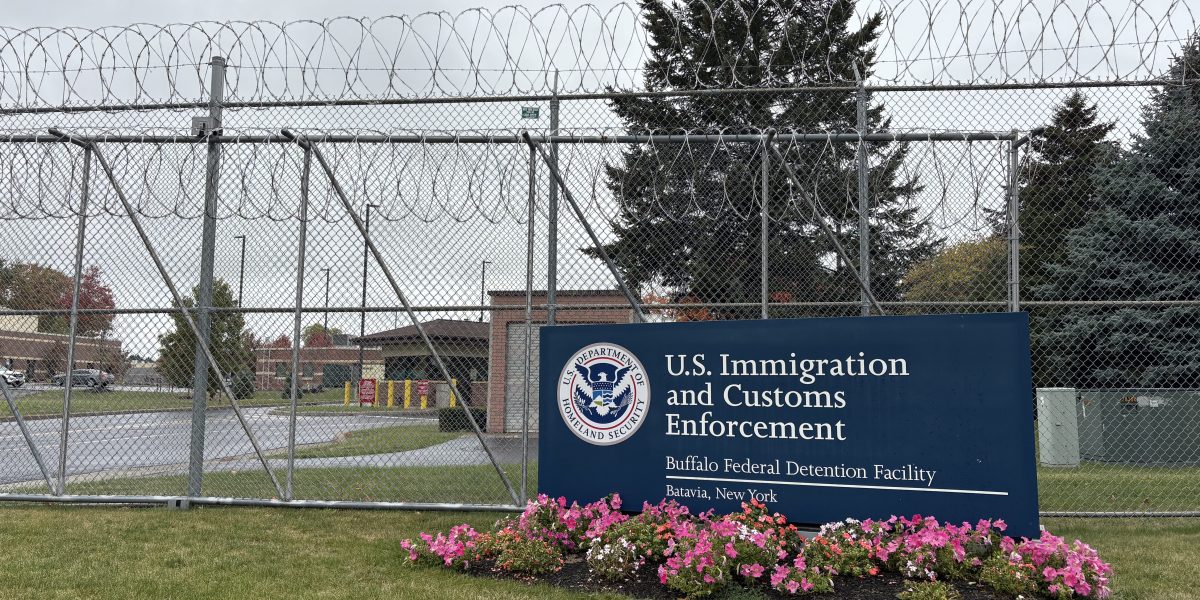
Systemic Medical Neglect Alleged Within ICE Detention Facilities
Investigations reveal a disturbing pattern of delayed or inadequate medical care for detainees within immigration adn Customs enforcement (ICE) facilities, raising serious concerns about the health and well-being of individuals in custody. These allegations span multiple facilities and encompass a range of medical issues, from chronic conditions to injuries sustained while detained. This article delves into the documented cases and expert analysis highlighting a potential systemic failure in providing adequate healthcare to those held by ICE.
delayed Treatment for Serious Conditions
Several cases demonstrate notable delays in addressing critical medical needs. You might be surprised to learn about the experiences of individuals facing life-altering health challenges while navigating the complexities of immigration detention.
* Mohammed Saleh (Jordan): A Jordanian man experienced delays in treatment for a massive brain tumor and a chronic eye condition between fall 2023 and 2024, ultimately leading to his deportation. He initially complained of tingling sensations,and while follow-up appointments were scheduled for his tumor,treatment was limited to over-the-counter pain relievers.
* Saleh’s Eye Condition: A prescribed injection for his eye condition was delayed by three months, further exacerbating his medical concerns.
These delays underscore a troubling trend of prioritizing detention over the immediate health needs of individuals.
Harm Suffered While in Custody
The investigation also uncovered instances where detainees weren’t properly treated for injuries or illnesses sustained while in custody. This raises questions about the safety and care provided within these facilities.
* Lansine Sidibe (Mali): Mr. Sidibe alleges he was beaten by seven guards at the Batavia facility in february 2024 after refusing to sign paperwork. He claims the guards broke his fingers, a claim initially denied by an ICE doctor. It took a month for the agency to authorize X-rays.
* Renny arcaya-Ventura (Venezuela): Mr. Arcaya-Ventura reported a severe allergic reaction and body pains upon entering an ICE facility, claiming he didn’t receive adequate medical attention.He described experiencing intense pain, fever, and significant weight loss. Photos shared by his attorney show visible swelling and rashes.
These accounts paint a concerning picture of potential abuse and inadequate response to medical distress.
A Pattern of Subpar Care
Experts in immigration law and healthcare access are sounding the alarm. They believe these incidents aren’t isolated but rather indicative of a broader systemic problem.
* Dalsimer (New York Lawyers for the Public Interest): Through research and legal work at the Orange County Jail – a large ICE detention facility – Dalsimer concludes that medical care provided by ICE is “almost always subpar.”
* Consistent Abuses: She emphasizes that “the abuses are consistent across all the facilities,” suggesting a widespread issue rather than isolated incidents.
This consistency points to a need for complete reform and increased oversight of medical practices within ICE detention centers.
What Does This Meen for You?
If you or someone you know is facing immigration detention, understanding your rights regarding medical care is crucial. You have the right to:
* timely Access to Care: Receive prompt medical attention for both chronic and acute conditions.
* qualified Medical Professionals: Be evaluated and treated by licensed and qualified healthcare providers.
* Confidentiality: Have your medical information kept confidential.
* Advocacy: Seek legal assistance to advocate for your medical needs.
the Need for accountability and Reform
The allegations of medical neglect within ICE facilities demand a thorough investigation and meaningful reform. Ensuring access to adequate healthcare isn’t just a matter of legal obligation; it’s a essential human right.
Moving forward, increased transparency, self-reliant oversight, and a commitment to prioritizing the health and well-being of detainees are essential.You can stay informed and support organizations advocating for immigrant rights by visiting resources like the American Civil Liberties Union (ACLU) and Justice for Migrant Families.
Disclaimer: This article provides information based on publicly available reports and investigations. It is indeed not intended to provide legal advice. If you require legal assistance, please consult with a qualified attorney.
Keep reading