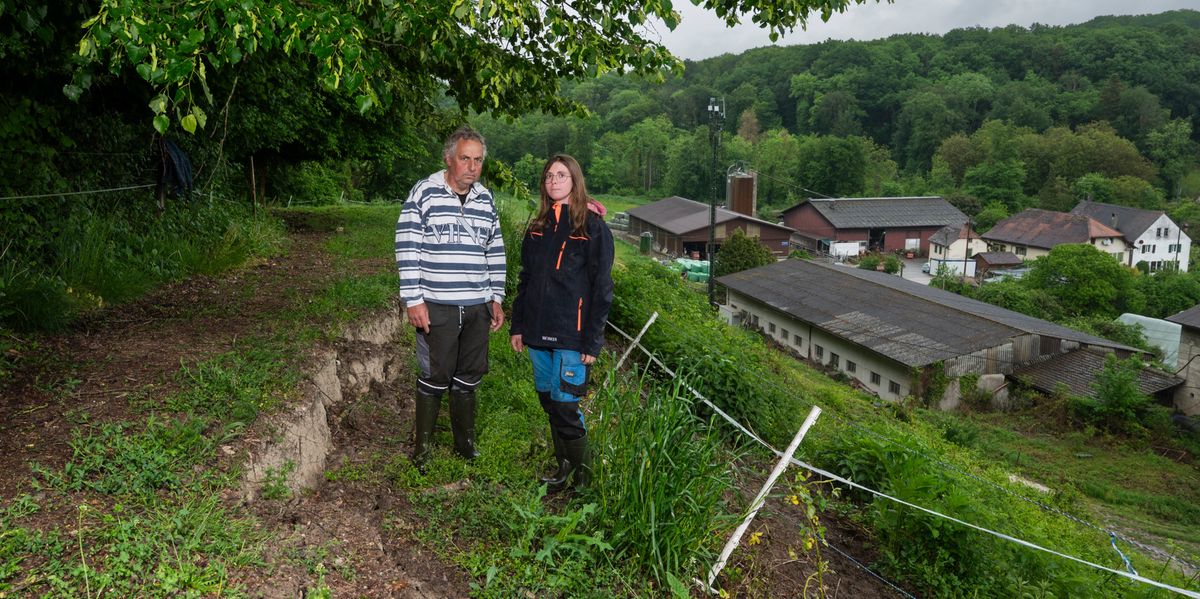
For generations, the landscape of the Swiss countryside has been defined by a delicate balance between ancestral farming traditions and a profound respect for the natural world. However, for the Baudet family in Gollion, this balance has shifted into a precarious struggle for survival. Their estate, the domaine des Baudet, now finds itself at the center of a growing tension between rigorous environmental mandates and the economic reality of small-scale agriculture.
The conflict centers on the imposition of strict Swiss agricultural environmental restrictions designed to protect the sensitive ecosystems surrounding the Venoge river. While the goal of biodiversity preservation is widely supported, the practical application of these rules has left the Baudet family claiming that their ability to operate a viable business has been systematically eroded. The situation has reached a breaking point, with the family warning that the farm is effectively collapsing under the weight of regulatory pressure.
This case is not merely a local dispute but a microcosm of a broader European challenge: how to transition toward sustainable land management without bankrupting the very farmers who steward the land. As the Canton of Vaud navigates the complexities of ecological protection, the domaine des Baudet serves as a stark reminder of the human cost associated with top-down environmental directives.
The Ecological Squeeze: Protection of the Venoge
The domaine des Baudet is situated in a geographically sensitive area along the banks of the Venoge, a river known for its high ecological value and role as a biological corridor. To protect this waterway, the Canton of Vaud has implemented a series of restrictive measures aimed at reducing runoff, preserving riparian buffers, and enhancing local biodiversity. These mandates often include limits on the use of certain fertilizers, restrictions on where machinery can operate, and requirements to maintain non-productive ecological zones.
For the Baudet family, these restrictions are not merely guidelines but rigid barriers that dictate every aspect of their daily operations. The requirement to maintain wide, uncultivated buffers along the riverbanks has effectively removed a significant portion of their most fertile land from production. When combined with limitations on crop rotation and soil management techniques, the family argues that the cumulative effect is a dramatic reduction in their productive capacity.
The tension is exacerbated by the fact that these ecological corridors are essential for the regional environment. The Canton of Vaud’s environmental policies emphasize the necessity of protecting water quality and wildlife habitats to combat the effects of climate change and habitat fragmentation. However, the Baudets contend that the burden of this public great is being placed entirely on the shoulders of a single family farm, rather than being shared through comprehensive state support.
The Economic Toll of Regulatory Compliance
The financial strain on the domaine des Baudet is the result of a “scissors effect”: while the costs of compliance and land maintenance rise, the actual yield and revenue potential of the land decrease. In the highly regulated Swiss agricultural market, margins are already thin, and the loss of even a few hectares of productive land can shift a farm from profitability to a deficit.
Beyond the loss of acreage, the family faces the challenge of adapting to mandated “green” farming practices that often require more labor-intensive methods or expensive equipment upgrades. While the Swiss government provides various subsidies to encourage ecological farming, the Baudets suggest that these payments are insufficient to cover the actual loss of income resulting from the restrictions imposed on their specific plot of land.
The psychological toll of this economic decline is equally significant. For a family-run operation, the farm is more than a business; We see a legacy. The prospect of seeing a multi-generational estate “collapse” due to administrative constraints has created a sense of desperation. The family describes a state of paralysis where they are too restricted to innovate and too financially strained to sustain the status quo.
The Path to Viability: The Canton’s Response
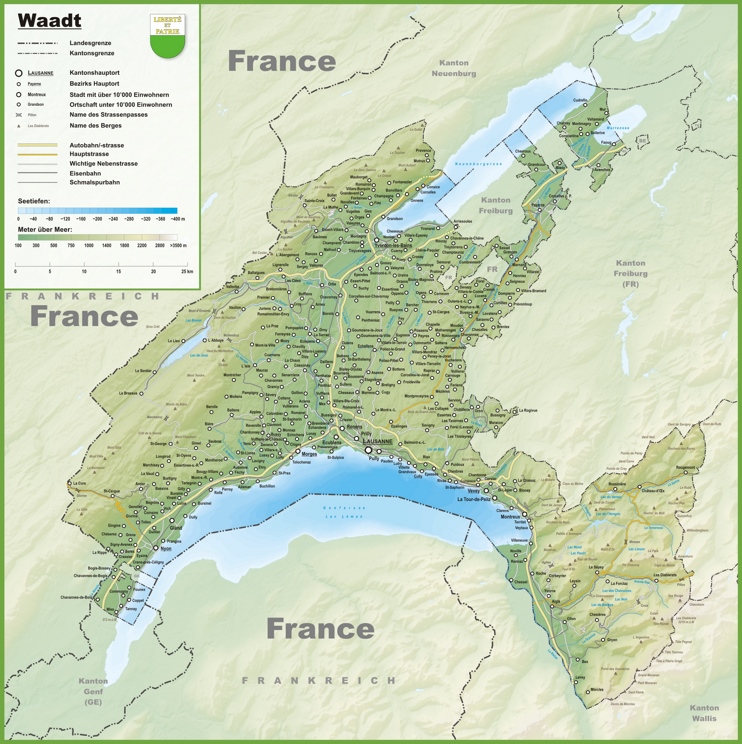
In response to the escalating crisis at the domaine des Baudet, authorities in the Canton of Vaud have acknowledged the severity of the situation. The government has promised to conduct a formal “viability analysis” to determine whether the farm can realistically continue to operate under the current environmental constraints.
This analysis is expected to examine several key factors:
- Land-Use Efficiency: Determining if there are alternative ways to meet ecological goals without sacrificing as much productive land.
- Financial Gap Analysis: Assessing the difference between the farm’s current revenue and the cost of maintaining the mandated environmental standards.
- Regulatory Flexibility: Exploring whether specific exemptions or tailored management plans can be applied to the domaine des Baudet without compromising the health of the Venoge river.
The outcome of this study will be critical. If the analysis concludes that the farm is no longer viable, it may lead to discussions regarding state buyouts or the conversion of the land into a permanent nature reserve. Conversely, a positive finding could pave the way for a new model of “supported conservation,” where the state provides higher compensation for the ecosystem services the farmers provide.
Broad Implications for Swiss Agriculture
The struggle of the Baudet family reflects a wider systemic conflict within the Swiss Federal Office for Agriculture (FOAG) framework. Switzerland has some of the strictest agricultural standards in the world, focusing heavily on “Direct Payments” linked to ecological performance. While this system has successfully increased biodiversity across the plateau, it has also created a rigid regulatory environment that can struggle to accommodate the unique geographical needs of individual farms.
Critics of the current system argue that “blanket” environmental rules often fail to account for the specific topography and history of a site. In the case of the domaine des Baudet, the intersection of a protected waterway and a private family business has created a regulatory deadlock. The case highlights the need for a more surgical approach to environmental law—one that protects the river while ensuring the farmer remains a viable partner in that protection.
this situation raises questions about the future of small-scale farming in Europe. As environmental laws tighten to meet international climate goals, the risk of “regulatory displacement”—where small farmers are forced out by the cost of compliance, leaving land to be consolidated by larger industrial operations—becomes a pressing concern for rural policymakers.
The next confirmed checkpoint in this matter will be the release of the Canton of Vaud’s viability analysis for the domaine des Baudet. This report will determine whether the family can find a sustainable path forward or if the estate will be forced to cease agricultural operations entirely.
We invite our readers to share their perspectives on the balance between environmental conservation and agricultural viability in the comments below.
Related reading