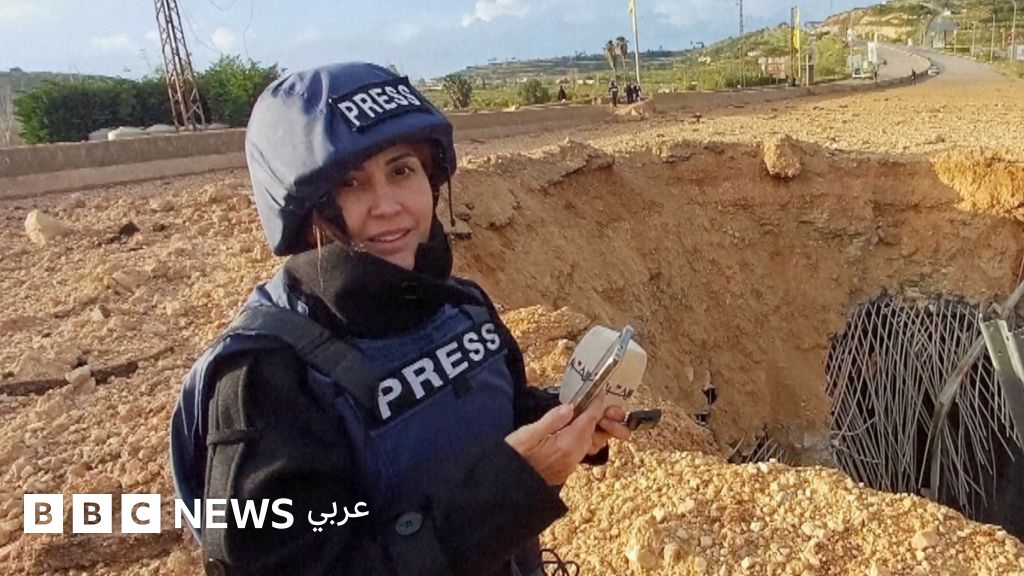
On April 22, 2024, Lebanese journalist Amal Khalil was killed in an Israeli airstrike that targeted her vehicle in southern Lebanon, according to Lebanese authorities and media reports. The incident occurred during a period of intensified cross-border exchanges between Israeli forces and Hezbollah, following the escalation of hostilities after the October 7 attacks in Israel. Khalil, who worked for the Lebanese news outlet Al-Markazia, was reportedly traveling in a clearly marked press vehicle when it was struck near the town of Khiam in the Nabatieh Governorate.
Her death prompted immediate condemnation from Lebanese officials, including President Joseph Aoun, who stated that the killing constituted a deliberate targeting of media personnel. The Lebanese government has called for an international investigation into the incident, asserting that Khalil’s vehicle bore visible press markings and was not engaged in any military activity at the time of the strike. These claims have not been independently verified by international monitoring bodies as of the date of this report.
The killing of Amal Khalil adds to a growing toll of media casualties in the ongoing conflict between Israel and Hezbollah, which has seen numerous journalists injured or killed since October 2023. According to the Committee to Protect Journalists (CPJ), at least five media workers have been killed in Lebanon since the escalation began, with several others injured in attacks attributed to Israeli forces. CPJ has documented these incidents based on eyewitness accounts and local reporting, though access for independent verification remains limited due to security restrictions in affected areas.
Israeli military officials have not issued a specific statement regarding the strike that killed Khalil, though they have maintained that all operations in southern Lebanon target Hezbollah infrastructure and operatives. The Israel Defense Forces (IDF) routinely state that they seize precautions to avoid civilian harm, including media personnel, but do not routinely disclose targeting details for individual strikes. No evidence has been presented by either side to confirm whether Khalil’s vehicle was misidentified or intentionally targeted.
In the aftermath of her death, colleagues described Khalil as a dedicated reporter known for her coverage of humanitarian issues and civilian impacts of conflict. She had reported extensively from southern Lebanon on the displacement of families and the effects of bombardment on rural communities. Her final reports focused on the increasing pressure on civilians in villages near the Blue Line, the UN-demarcated boundary between Israel and Lebanon.
The incident has drawn attention to the risks faced by journalists operating in active conflict zones, particularly those covering southern Lebanon where access is constrained and the distinction between military and civilian targets is frequently contested. Press freedom organizations have reiterated calls for all parties to respect the protections afforded to journalists under international humanitarian law, which classifies deliberate attacks on media personnel as potential war crimes when committed intentionally.
As of the latest available information, no formal investigation into the circumstances surrounding Khalil’s death has been initiated by an independent international body. The Lebanese government continues to collect evidence and testimonies, while urging UNESCO and the Office of the High Commissioner for Human Rights (OHCHR) to examine the case within broader assessments of media safety in the region. No public timeline has been established for such reviews.
Those wishing to stay informed about developments related to media safety in conflict zones can follow updates from the Committee to Protect Journalists and Reporters Without Borders, both of which maintain active monitoring of journalist casualties worldwide. Official statements from the Lebanese Ministry of Information and the IDF Spokesperson’s Unit are occasionally released through their respective websites and social media channels, though real-time updates during active hostilities are often limited.
The death of Amal Khalil underscores the ongoing challenges faced by media workers in documenting conflict under hazardous conditions. Her legacy remains tied to her commitment to reporting on the human toll of war, particularly in communities often overlooked in broader narratives of regional strife.