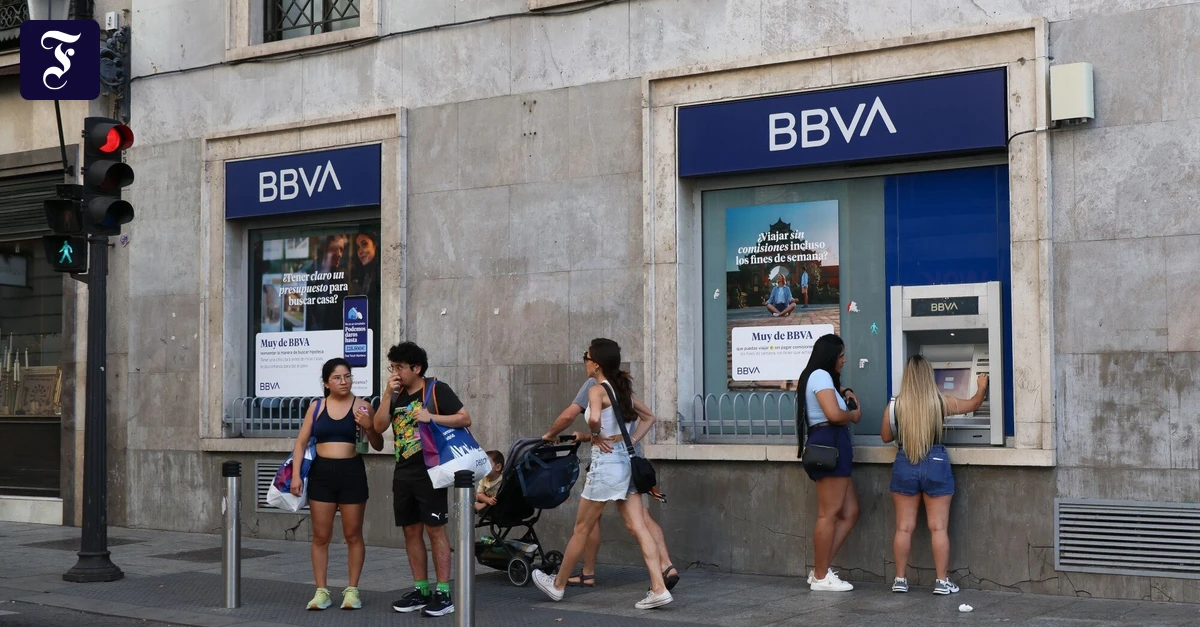
Banco Bilbao Vizcaya Argentaria (BBVA) is currently evaluating strategic adjustments to its deposit protection offerings for German retail customers, as the Spanish banking giant seeks to refine its service model within the competitive European retail market. The potential shift involves reconsidering how the bank manages account requirements and security thresholds for its German clientele, a segment that has become increasingly focused on interest rate volatility and institutional stability.
For many German customers, the appeal of international banking institutions like BBVA has historically centered on digital accessibility and flexible account management. However, recent industry reports indicate that the bank is scrutinizing its operational requirements—specifically looking at how salary inflows and transaction volumes correlate with account benefits and security assurances. According to standard banking practices in the European Union, retail deposits are covered by national deposit guarantee schemes up to €100,000 per depositor, per bank, as mandated by the EU Directive 2014/49/EU on deposit guarantee schemes.
Account Requirements and Customer Engagement
The discussion regarding deposit conditions is closely linked to how BBVA structures its retail accounts. In the German market, banks often utilize “active usage” models to offset the costs of maintaining digital accounts. This typically involves requirements such as a regular monthly salary deposit or a minimum threshold for card turnover, which can reach €1,500 per month depending on the specific product tier. These measures are designed to ensure that customers are utilizing the account as their primary financial hub rather than a passive holding vehicle.
For customers, these requirements are not merely administrative; they often dictate eligibility for fee-free banking or access to premium credit card features. When a bank evaluates changes to its deposit or service structure, it must balance the need for high-value customer engagement against the risk of alienating users who prefer lower-maintenance banking products. The Federal Financial Supervisory Authority (BaFin) continues to monitor how cross-border institutions operating in Germany communicate these terms to ensure transparency and consumer protection standards are met.
The Landscape of Deposit Security in Europe
While discussions regarding “higher deposit security” often emerge in the context of customer retention, it is important to distinguish between statutory protections and voluntary bank policies. Under the European framework, the Deposit Guarantee Schemes (DGS) are harmonized across the Eurozone to provide a consistent safety net. Any move by BBVA to offer “higher” protection would likely refer to private, voluntary insurance arrangements or specific product features that supplement the baseline statutory requirements.
For German savers, the primary concern remains the reliability of the institution and the ease with which funds can be accessed. As BBVA continues to iterate on its digital offerings, the focus remains on integrating these security features into a seamless user experience. Customers should monitor their official account portals and the bank’s investor and customer relations communications for any formal announcements regarding changes to their specific account terms.
What Customers Should Monitor
As the situation develops, retail banking clients are advised to remain informed about their current account status. Changes to banking terms and conditions typically require a formal notification period under German banking law. Customers who are concerned about their deposit status or account requirements should verify their specific contract details through the official BBVA digital banking app or the secure client portal. If a policy change is implemented, the bank is legally obligated to provide clear notice, allowing customers to assess whether their current usage patterns—such as the aforementioned €1,500 monthly turnover—still align with their banking needs.
The next steps in this process involve potential updates to the bank’s general terms and conditions, which would be communicated to existing account holders directly. As of the latest market updates, there is no finalized timeline for the implementation of these potential changes. Readers are encouraged to share their experiences with digital banking transitions in the comments section below as we continue to track updates from the European financial sector.
Keep reading