
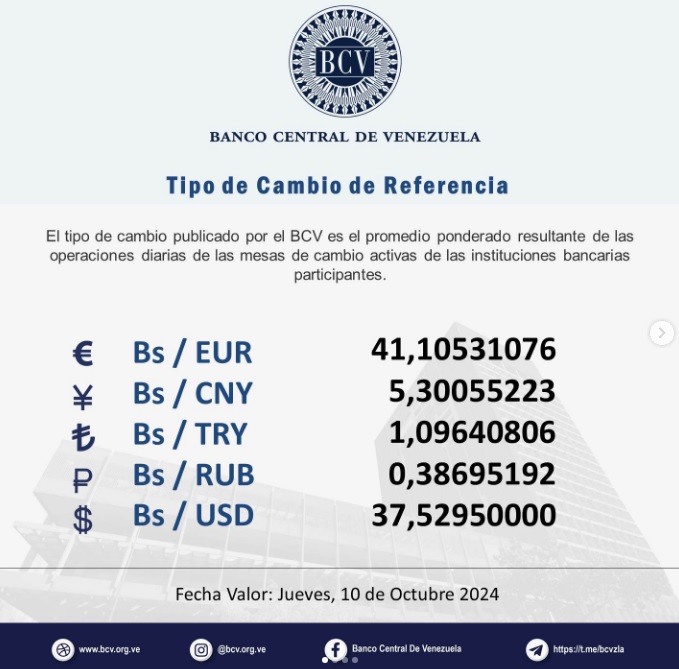
The Central Bank of Venezuela (BCV) has updated its official exchange rate, marking a period of ongoing fluctuations within the country’s complex monetary landscape. As of May 25, 2026, the official tasa de cambio BCV is set at 530.5047 bolívares per US dollar. This adjustment represents a daily variation of approximately 0.69%, a figure that continues to draw close attention from economic analysts, local businesses, and citizens navigating the Venezuelan economy.
For those monitoring the financial environment, understanding these daily updates is essential. The BCV acts as the primary authority responsible for the country’s monetary policy, and its published rates serve as the official benchmark for commercial transactions. These periodic adjustments reflect the bank’s efforts to manage price and monetary stability in a highly volatile inflationary context.
Understanding the Current Monetary Landscape
The movement in the official exchange rate is part of a broader trend of depreciation that has characterized the Venezuelan bolívar for years. The Banco Central de Venezuela maintains the mandate to regulate the foreign exchange market, issuing daily updates that define the conversion rate used by banking institutions and official entities. These figures are critical for importers, retailers, and the general public, as they directly influence the pricing of goods and services across the national economy.
While the official rate provides a standardized baseline, the disparity between the BCV-published rate and alternative market indicators remains a point of persistent discussion among economists. The bank’s role is to act as the sole authorized issuer of the currency, and its data is the standard for all formal financial reporting within the country. Readers are encouraged to consult the official portal of the Central Bank of Venezuela for the most accurate and up-to-date information regarding daily currency movements.
Factors Influencing Currency Volatility
Several structural factors contribute to the ongoing shifts in the bolívar’s valuation. Venezuela’s economy has faced significant challenges, including prolonged hyperinflationary cycles and the impact of international sanctions on its primary export industry. The central bank utilizes various monetary tools, including the regulation of liquidity and the intervention in the foreign exchange market, to mitigate the speed of currency devaluation.

Market observers often point to the following elements as primary drivers of these fluctuations:
- Liquidity Management: The volume of bolívares in circulation relative to available foreign currency reserves.
- Import Demand: The consistent need for foreign currency to facilitate the purchase of essential goods from abroad.
- Fiscal Policy: Government spending patterns and the financing of the national budget, which can influence money supply levels.
- External Economic Conditions: Global commodity price shifts, particularly regarding oil, which remains a central pillar of the Venezuelan state revenue.
These variables ensure that the exchange rate remains a highly dynamic figure. For businesses operating within Venezuela, the ability to adapt to these daily changes is not merely a matter of financial management, but a necessity for operational survival.
What This Means for the Consumer
For the average citizen, the fluctuations in the BCV exchange rate are most visible at the point of sale. Because many prices in the Venezuelan economy are indexed to the US dollar, an increase in the exchange rate often translates into an immediate rise in the cost of consumer goods. When the bolívar loses value against the dollar, the purchasing power of local wages is frequently eroded.
Financial experts consistently advise that individuals and minor businesses stay informed through official channels to avoid the risks associated with speculative pricing. Relying on the official BCV rate is the most reliable way to ensure transparency in financial dealings, particularly when paying for public services or conducting transactions through regulated banking institutions.
Looking Ahead
The Central Bank of Venezuela provides updates on its exchange rate every business day. The next official checkpoint will be the subsequent publication by the bank, which typically occurs the following morning. As the country moves through the remainder of the quarter, market participants will be watching for any shifts in the bank’s intervention strategy or changes in the velocity of the currency’s depreciation.
We invite our readers to share their thoughts and perspectives on these developments in the comments section below. How are these ongoing shifts affecting your daily financial planning? Your insights are a valuable part of our ongoing coverage of global economic trends.
Keep reading