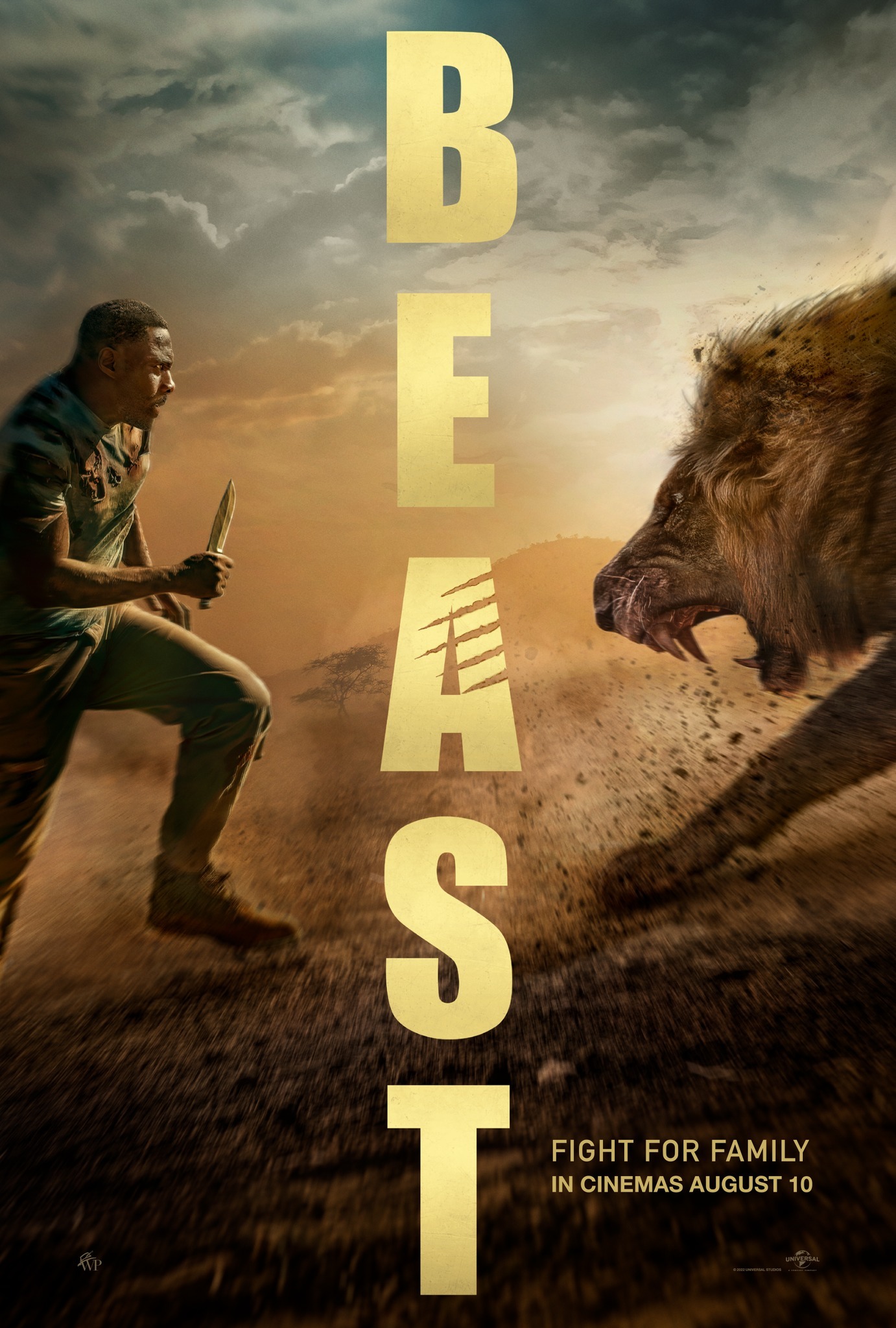
Red Bull is expanding its footprint in the gaming industry with the announcement of Beast of Reincarnation, a new action role-playing game (Action-RPG) developed under the Red Bull Gaming initiative. The project marks a strategic move by the energy drink giant to transition from sponsoring esports athletes and events to producing original intellectual property in the interactive entertainment space.
The title focuses on high-intensity combat and character progression, leaning into the “beast” and “reincarnation” themes to drive its core gameplay loop. While Red Bull has historically focused on gaming through its Red Bull Gaming ecosystem, this venture represents a direct entry into game development and publishing.
Industry analysts view this move as part of a broader trend where lifestyle brands integrate deeper into digital entertainment to capture Gen Z and Alpha audiences. By creating a proprietary game, Red Bull can control the narrative and branding more effectively than through traditional sponsorship deals.
What is Beast of Reincarnation and how does it play?
Beast of Reincarnation is described as an action-RPG that emphasizes fast-paced combat and a cycle of rebirth. According to official Red Bull communications, the game centers on a protagonist who must navigate a world of monsters and magic, utilizing a reincarnation mechanic to evolve their abilities and combat styles.

The gameplay loop revolves around the “Beast” element, where players likely absorb or mimic the traits of defeated enemies to grow stronger. This mechanic is common in the “soulslike” or “roguelike” subgenres of Action-RPGs, where death and rebirth are central to the player’s progression. Red Bull has positioned the game as a high-energy experience, mirroring the brand’s identity of adrenaline and peak performance.
While specific technical details regarding the game engine or precise release date have not been finalized in public filings, the project is being developed to leverage modern hardware capabilities, focusing on fluid animations and complex combat systems that require high player dexterity.
Why is Red Bull developing its own video game?
Red Bull’s entry into game development is a vertical integration strategy. For years, the company has spent millions on the Red Bull Gaming Sphere and various esports tournaments. By owning the IP (Intellectual Property) of Beast of Reincarnation, the company shifts from being a financier of other people’s games to an owner of a digital asset.

This strategy allows Red Bull to create a “closed loop” of marketing. Instead of paying for a logo placement in a game like League of Legends or Dota 2, they can integrate their branding directly into the world-building and monetization of their own title. This approach mirrors how other beverage and fashion brands have attempted to enter the metaverse, though Red Bull is opting for a traditional high-quality game release rather than a simple virtual storefront.
The decision also aligns with the company’s focus on “extreme” culture. Action-RPGs, particularly those with high difficulty curves, appeal to a demographic that values skill mastery and persistence—traits Red Bull frequently highlights in its sports marketing.
How does this fit into the current gaming market?
The Action-RPG market is currently dominated by titles that blend challenging combat with deep lore. Beast of Reincarnation enters a crowded field, competing for attention against both AAA studios and the burgeoning “indie-plus” scene. To succeed, Red Bull is relying on its global marketing machine to ensure the game reaches a wider audience than a typical independent studio could achieve.
The “reincarnation” hook serves as a differentiator. If the game successfully implements a system where players meaningfully change their build or species upon rebirth, it could carve out a niche similar to the success of titles that allow deep character customization. However, the challenge for Red Bull will be establishing credibility as a developer; gamers are historically skeptical of “corporate” games unless they are backed by experienced studio veterans.
The game’s development is being treated as a prestige project, intended to prove that Red Bull can produce content that stands on its own artistic merit, rather than serving as a glorified advertisement for energy drinks.
What happens next for the project?
Red Bull has not yet released a definitive global launch calendar or a playable public demo. The current phase of the project focuses on community building and the gradual release of teaser information to generate anticipation among RPG enthusiasts.
The next confirmed checkpoint for the project involves further gameplay reveals and the potential announcement of platform availability (PC, PlayStation, and Xbox). Red Bull is expected to integrate the game’s promotion into its existing event infrastructure, potentially showcasing the title at major gaming conventions or through its own athlete-driven streams.
Readers can follow official updates via Red Bull’s gaming portals and social media channels for news on beta testing or early access opportunities. Share your thoughts on whether a lifestyle brand can successfully pivot to game development in the comments below.