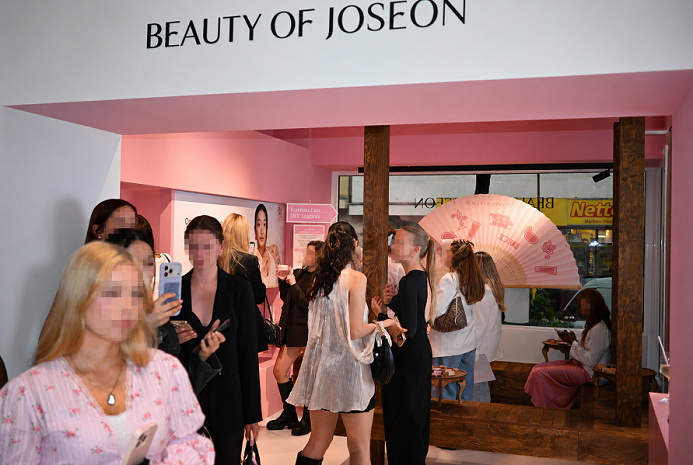
Beauty of Joseon, a global Korean traditional herbal beauty brand, has partnered with Douglas, Europe’s largest premium beauty retailer, to launch its first standalone pop-up store in Germany. The move marks a strategic expansion for the brand, owned by Goodai Global, as it seeks to increase its physical footprint and accessibility within the European market through a high-traffic retail partnership.
The collaboration focuses on introducing the brand’s “Hanbang” (traditional Korean herbal medicine) philosophy to German consumers. By leveraging the distribution network and prestige of Douglas, Beauty of Joseon aims to transition from a digitally driven success story to a tangible retail presence in one of Europe’s most influential beauty markets.
This expansion follows a period of rapid growth for the brand, which gained significant traction on social media platforms like TikTok and Instagram, particularly in the North American and European regions. The German pop-up serves as a pilot for further physical retail strategies across the continent.
How the Beauty of Joseon and Douglas Partnership Works
The partnership integrates Beauty of Joseon’s product line into the curated environment of Douglas, which operates hundreds of stores across Europe. The standalone pop-up store in Germany is designed to provide an immersive brand experience, allowing customers to test the textures and scents of Hanbang-inspired skincare, which often includes ingredients like ginseng, rice, and honey.

According to company reports from Goodai Global, the goal of the pop-up is to bridge the gap between online viral popularity and offline consumer trust. By placing products in a premium retail setting, the brand seeks to validate its quality and heritage for a demographic that prioritizes professional curation over social media trends.
The selection of Germany as the site for the first standalone pop-up is strategic, as Germany represents one of the largest skincare markets in the European Union. The partnership allows Beauty of Joseon to bypass the complexities of independent logistics and store management by utilizing the existing infrastructure of a market leader.
Why the “Hanbang” Philosophy is Targeting Europe
Beauty of Joseon centers its identity on “Hanbang,” the practice of using traditional Korean medicinal herbs. This approach contrasts with the “clinical” or “scientific” skincare trends that have dominated Western markets. The brand focuses on ingredients that have been used for centuries in the Korean royal courts, blending historical wisdom with modern formulation standards.

The rise of “K-Beauty” (Korean Beauty) in Europe has shifted from a niche interest to a mainstream demand. European consumers are increasingly seeking “clean beauty” and “slow aging” routines, which align with the brand’s emphasis on gentle, nutrient-rich ingredients. The partnership with Douglas provides a platform to educate consumers on these specific cultural differences in skincare philosophy.
Industry analysts note that the success of such brands often depends on their ability to maintain “authenticity” while scaling. By focusing on the heritage of the Joseon dynasty, the brand differentiates itself from other Korean labels that focus primarily on innovation or novelty ingredients like snail mucin or cica.
What This Means for the Global K-Beauty Market
The entry of Beauty of Joseon into a physical retail giant like Douglas signals a maturing phase for K-Beauty in Europe. For years, Korean brands were primarily available through specialized online importers or small “K-beauty” boutiques. The shift toward major premium retailers indicates that Korean skincare is now viewed as a stable, high-demand category rather than a passing trend.
This move also puts pressure on other independent Korean brands to secure similar distribution deals to remain competitive. As the barrier to entry for consumers drops—moving from ordering online to shopping in a local Douglas store—the volume of sales is expected to increase, though it requires brands to manage larger inventory cycles and stricter European regulatory compliance regarding ingredients.

The integration of traditional herbalism into a modern retail experience reflects a broader global trend where consumers seek a connection between nature and science. The success of this German pop-up will likely determine if Beauty of Joseon expands its standalone presence into other major European cities such as Paris, Madrid, or Milan.
The next phase of the brand’s European strategy involves monitoring the sales data and consumer feedback from the German pop-up to refine its product offerings for the Western palate. Further announcements regarding permanent shelf space or additional city launches are expected following the conclusion of the initial pop-up period.
Do you use Hanbang skincare or prefer clinical brands? Share your thoughts in the comments below or share this article with a K-beauty enthusiast.