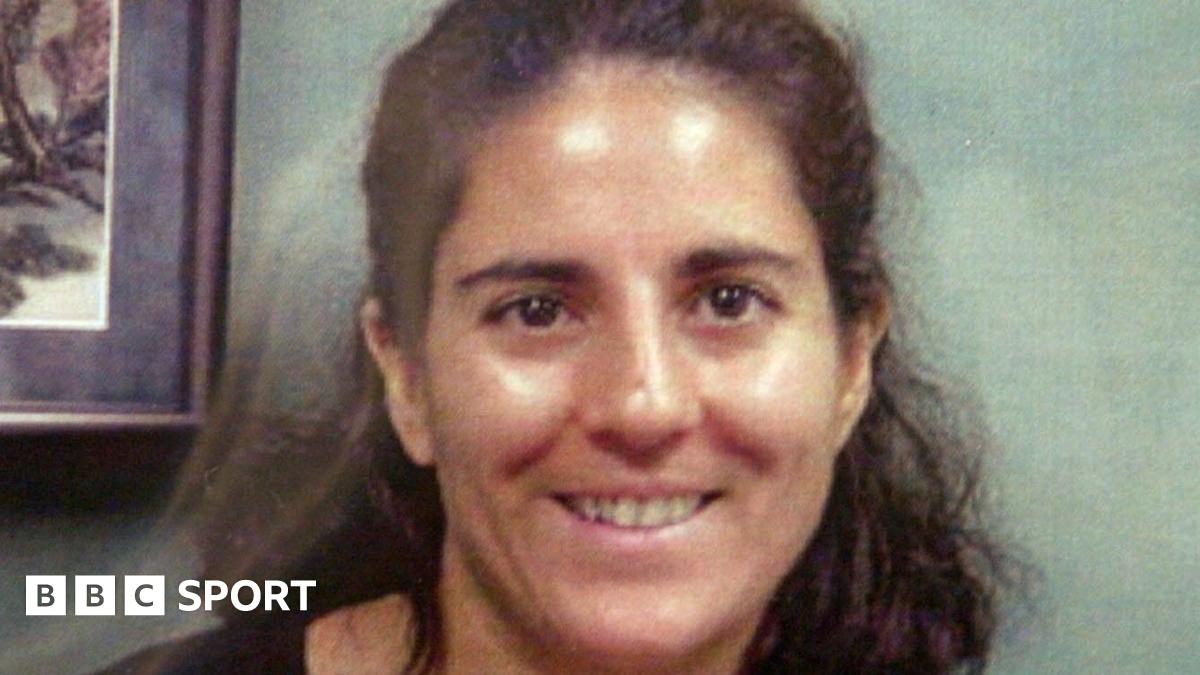
The devastating Cost of Combat Sports: A Life Cut Short
The thrill of competition, the adrenaline surge, the disciplined training – these are the hallmarks of combat sports. But beneath the surface lies inherent risk, a reality tragically underscored by the loss of a dedicated athlete and educator. This is a story about the fragility of life, the tough choices faced in moments of crisis, and the enduring legacy of a woman who lived passionately.
She found an exhilarating rush every time she entered the arena, whether a boxing ring or a mixed martial arts cage. This passion coexisted with a remarkable intellect and a commitment to shaping young minds.
A Life Beyond the Ring
Like many athletes, she balanced the demands of rigorous training with a full-time career. She was a geography and economics instructor at a community college, holding both a master’s degree and a doctorate.
Her enthusiasm extended beyond academics, fueled by a deep love for the discipline and strategy inherent in combat sports. You could see the same spark in her classroom as you would in her training.
A close friend, now a professor himself, had frequently encouraged her to return to their shared hometown, a historic community nestled in the mountains. She consistently assured him she would, a promise left tragically unfulfilled.
A Championship Bout Turns Tragic
The fateful night unfolded at a well-known venue, a place that had hosted legendary performers. She was competing in the Colorado State Boxing Senior Female Championships, facing a resolute opponent. Both athletes wore protective headgear, a standard precaution in amateur boxing.
For two rounds, the fight was a display of skill and endurance, a back-and-forth exchange of punches. However, the third round brought a devastating turn of events.
A single blow, landing just above her left eye, caused her to stumble and fall unconscious. Despite immediate medical attention, she remained unresponsive. She would succumb to her injuries the following morning.
The Grim Reality of Brain Trauma
The initial assessment by the ringside physician was deeply concerning. Her pupils were fixed and dilated, indicating potential severe brain damage. The severity of the injury was shocking, considering the impact wasn’t described as overwhelmingly forceful.
“The damage to her brain was remarkable,” her friend recalled. “It wasn’t a hard hit, but the bruising was so extensive that her brain could no longer function.”
Medical professionals determined that she was likely already critically injured within the ring itself.Life support measures were initiated, but her condition continued to deteriorate rapidly.
An Unthinkable Decision
Faced with an impossible situation, her friend was forced to make an agonizing choice.Knowing her strong belief in organ donation, and understanding the limited window for viability, he authorized the withdrawal of life support.
This decision, made with profound grief and respect for her wishes, allowed her to give the gift of life to others even in her final moments.
A Community Mourns
The news of her passing resonated deeply throughout the community. An outpouring of tributes flooded in from colleagues, students, and those whose lives she had touched.
She was remembered as a warm, tenacious, and dedicated individual - a pillar of both the academic world and the local community. Her loss leaves a void that will be deeply felt for years to come.
Understanding the Risks
This tragedy serves as a stark reminder of the inherent risks associated with combat sports. While safety protocols are in place, the potential for serious, life-altering injuries remains.It’s a conversation that needs to continue within the athletic community, focusing on:
Enhanced safety regulations: Continuously evaluating and improving protective gear and medical protocols.
Extensive medical screening: Ensuring athletes undergo thorough neurological evaluations before and after competitions.
Increased awareness: Educating athletes, coaches, and officials about the signs and symptoms of brain injuries.
long-term health monitoring: Providing ongoing support and monitoring for athletes who have sustained head trauma.
Ultimately, her story is a call for vigilance, compassion, and a renewed commitment to athlete safety. It’s a tribute to a life lived with passion and purpose, and a somber reminder of the devastating consequences that can arise when the thrill of competition meets the fragility of the human body.