The Belarus Prisoner Release of 2025: A Complex Step Amidst Ongoing Repression
The recent release of 52 individuals imprisoned on politically motivated charges in Belarus, including journalists, trade union leaders, and activists, represents a cautiously welcomed growth. However, this act of clemency, negotiated between Belarusian President Aliaksandr Lukashenka and US president Donald Trump, is overshadowed by the continued, systemic repression of human rights within the country. This article delves into the details of this release, the broader context of the human rights situation in Belarus, the geopolitical factors at play, and what this signifies for the future of dissent and political freedom. We will explore the nuances of this situation, moving beyond simple headlines to understand the complexities facing Belarusian civil society.
Understanding the Context: A History of Repression
Did You Know? Belarus has been consistently ranked among the worst countries in Europe for political rights and civil liberties. Since the disputed 2020 presidential election, the crackdown on dissent has intensified dramatically.
the current crisis didn’t emerge in a vacuum. Following the widely contested 2020 presidential election, which saw Aliaksandr Lukashenka claim victory despite widespread allegations of fraud, Belarus experienced an unprecedented wave of protests. The response from the government was brutal. According to Amnesty International and Human Rights Watch, security forces engaged in widespread torture, arbitrary arrests, and politically motivated prosecutions. The scale of repression is staggering: over 37,000 people have been detained since the protests began,and hundreds have reported torture or other ill-treatment. The legal system has been weaponized, wiht trials often lacking due process and resulting in lengthy prison sentences for peaceful expression of dissent.
This isn’t simply about suppressing protests; it’s a systematic dismantling of civil society. Independent media outlets have been shut down, NGOs have been forced to close, and activists have been driven into exile. The Belarusian government has consistently denied allegations of human rights abuses,framing the crackdown as necessary to maintain stability and combat extremism.However, evidence gathered by international organizations paints a starkly different picture.
The September 2025 prisoner Release: A Geopolitical Bargain?
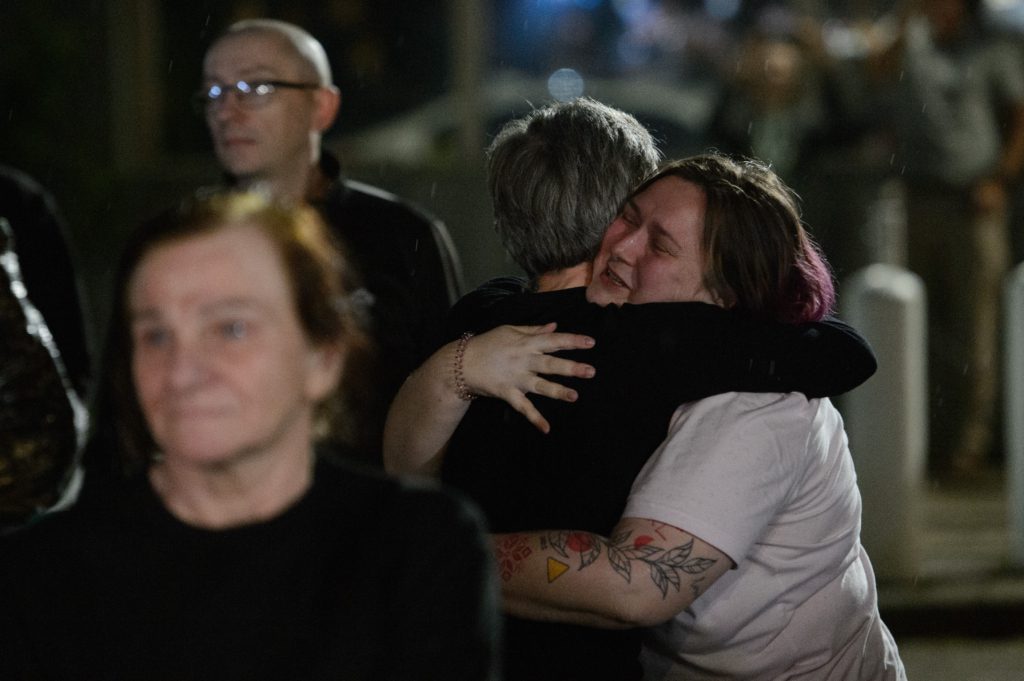
on September 1st, 2025, the release of 52 prisoners offered a glimmer of hope. The individuals freed included prominent figures like opposition politician Mikalai Statkevich, who, remarkably, had to actively fight against forced exile to lithuania upon release – a testament to the lack of genuine commitment to freedom. This detail, often overlooked in initial reporting, highlights the coercive nature of the release.
Pro Tip: When analyzing political events,always consider the underlying motivations of all parties involved. The Belarus prisoner release wasn’t solely a humanitarian gesture; it was part of a larger geopolitical calculation.
The release was directly linked to a deal with the United States, which agreed to ease some sanctions on Belarus in return. This raises critical questions about the ethics of negotiating with a regime widely accused of human rights violations. Critics argue that easing sanctions without concrete improvements in the human rights situation effectively rewards repression. Moreover, the timing of the release – coinciding with joint military exercises between Russia and belarus, and following a reported Russian drone incursion into Polish airspace – suggests a complex interplay of geopolitical factors. Some analysts believe the release was intended to signal a degree of cooperation with the West,possibly mitigating concerns about Belarus’s growing alignment with Russia.
| Factor | Impact on prisoner Release |
|---|---|
| US Sanctions | Provided leverage for negotiation; easing sanctions was a key demand from Belarus. |
| Russia-Belarus Military Exercises | Potentially a signal of Belarus’s strategic alignment with Russia, influencing Western engagement. |
| Russian Drone Incursion | Increased regional tensions, potentially prompting a desire for de-escalation through diplomatic channels. |
Source: Analysis based on reports from Reuters, Associated Press, and the Council on Foreign relations (October 26, 2025).
The Remaining Crisis: Over 1,000 Political Prisoners Remain
Despite the release of 52 individuals, the essential problem