
The Belgian federal government has finalized its comprehensive overhaul of the national pension system, following the official publication of the reform legislation in the Moniteur belge on June 1, 2026. This legislative change, which received parliamentary approval on May 28, 2026, introduces significant adjustments to eligibility criteria, contribution requirements, and the calculation methods for retirement benefits. These measures are designed to ensure the long-term sustainability of the Belgian social security system in the face of an aging demographic profile.
As the primary regulatory shift affecting both employees and self-employed individuals, the reform aims to harmonize disparities between different professional statuses. According to the official Belgian government portal, the transition period for these changes begins immediately, with specific implementation timelines varying based on the contributor’s age and career length. Financial analysts and human resources specialists are currently reviewing the text to advise employers on compliance requirements for payroll systems and benefit adjustments.
Understanding the Core Changes to the Pension Framework
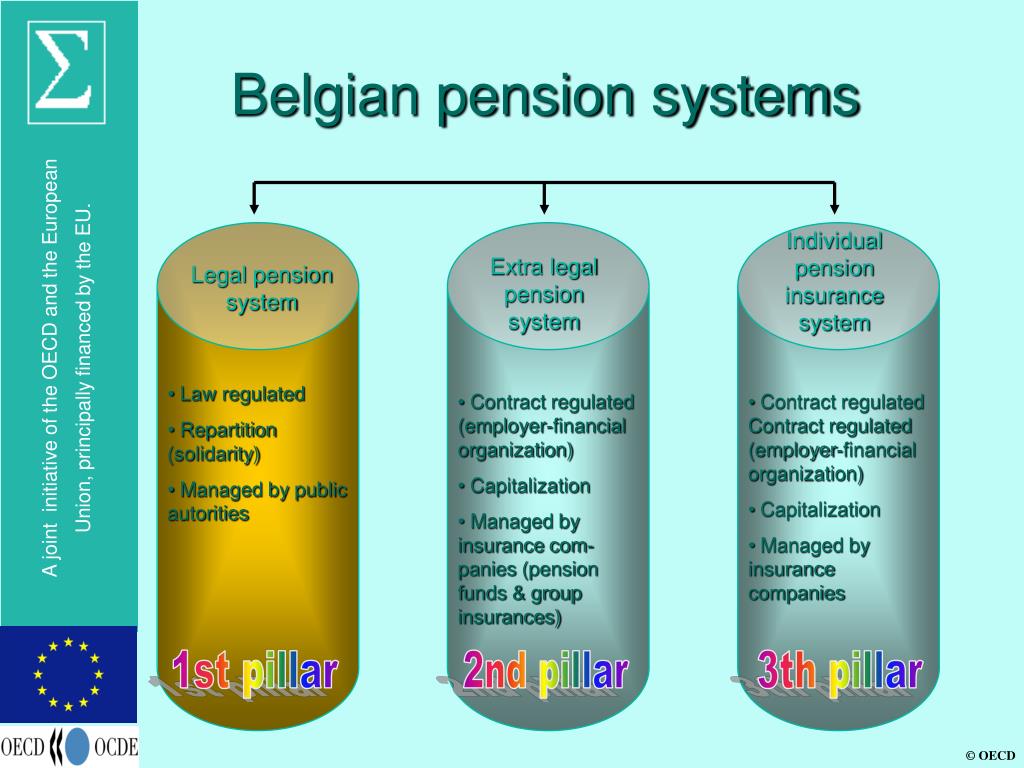
The core of the 2026 reform centers on the “pension à deux piliers” (two-pillar pension) structure and the strengthening of the state-funded first pillar. The legislation mandates a more rigorous link between career duration and the final pension amount, effectively penalizing gaps in employment while incentivizing longer working lives. Official documents published in the Belgian Official Gazette (Moniteur belge) outline that individuals must now satisfy stricter requirements regarding the number of days worked to qualify for a full pension. This adjustment is a direct response to the long-standing fiscal pressure on the National Pension Office (ONP/RVP).
For the self-employed, the reform seeks to bridge the gap in benefit levels compared to salaried employees. The National Institute for the Social Security of the Self-Employed (INASTI) has confirmed that the new rules simplify the calculation for “pension de retraite” (retirement pension) by adopting a unified accrual rate. This change is expected to affect thousands of small business owners who previously faced lower replacement rates than their counterparts in the private sector.
Who is Affected and How
The impact of the new law is categorized by the contributor’s employment history and current age. Younger workers entering the labor market will be the first to experience the full effect of the new, more stringent accrual rules. Conversely, those nearing retirement age are largely covered by grandfathering clauses intended to protect acquired rights. Employers are now tasked with updating their Social Security (RSZ/ONSS) reporting to reflect the new contribution tiers mandated by the legislation.

The reform specifically targets the following groups:
- Salaried Employees: Adjustments to the ceiling for pensionable income.
- Self-Employed Professionals: New formulas for calculating the annual pension credit.
- Civil Servants: A gradual alignment of pension calculation methods with the private sector.
Financial planning experts emphasize that the reform makes private pension savings—the third pillar—increasingly vital for maintaining lifestyle standards post-retirement. With the state-funded portion becoming more strictly tied to documented career years, the flexibility to bridge income gaps through private schemes remains a central recommendation for individual financial strategies.
Implementation Timeline and Next Steps
While the law is now in effect as of its June 2026 publication, the operational rollout will occur in phases. The government has scheduled a series of administrative briefings for payroll providers and labor unions throughout the remainder of 2026. According to the Federal Public Service Employment, Labour and Social Dialogue, the next critical checkpoint will be the release of supplementary ministerial decrees, which will define the technical “conversion factors” for pension calculations. These documents are expected to be available for public consultation by late Q3 2026.
Individuals concerned about their specific pension trajectory are encouraged to utilize the official MyPension.be portal. This platform is currently being updated to reflect the new legislative parameters, allowing users to simulate their projected retirement income under the 2026 rules. As the system transitions, staying informed through official government channels is the most reliable way to monitor how these changes apply to individual circumstances.
Dr. Olivia Bennett serves as the Chief Editor of the Business section at World Today Journal. With nearly two decades of experience in global economic policy, she provides analysis on the intersection of legislative reform and market stability. Please share your thoughts in the comments section below or join the conversation on our verified social media channels.
Worth a look