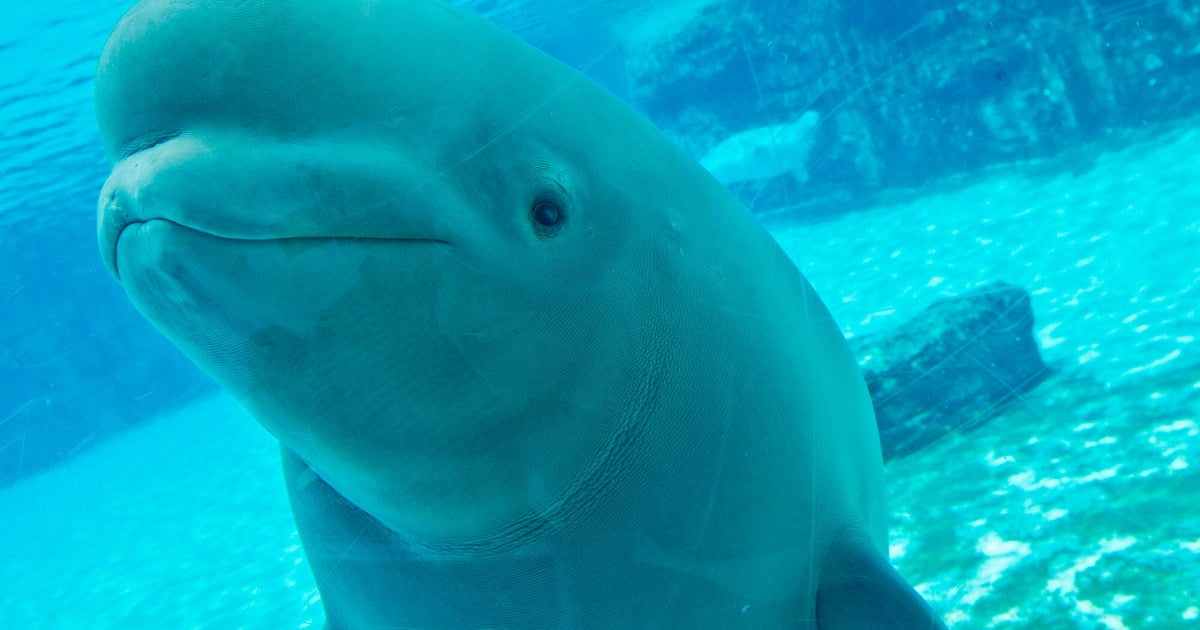
A multi-agency international effort is underway to relocate dozens of beluga whales from the now-closed Marineland of Canada theme park in Niagara Falls, Ontario, to accredited zoological facilities across the United States. The rescue initiative, which involves coordination between government regulators and professional marine mammal experts, aims to secure the long-term welfare of the animals following the park’s decision to cease operations.
The relocation process involves complex logistical planning to ensure the health and safety of the belugas during transit. According to a statement from Marineland, the park has been working closely with various organizations to facilitate the transfer of its marine animals as part of its ongoing transition, a process that has been subject to scrutiny by provincial authorities and animal welfare advocates over the past several years (CBC News).
The Logistics of Moving Marine Mammals
Transporting beluga whales is a high-stakes operation that requires specialized equipment, including custom-designed transport stretchers and climate-controlled containers to monitor the animals’ vital signs and water temperature. Each animal must be cleared by veterinarians to ensure it is fit for travel before being lifted from its habitat. These protocols are dictated by strict international standards for the transport of cetaceans, which emphasize minimizing stress and preventing physical injury during movement.
The destinations for the whales include U.S.-based facilities that hold accreditation from the Association of Zoos and Aquariums (AZA). These facilities are selected based on their capacity to provide specialized care for belugas, which are highly social and require specific filtration and habitat standards to thrive in a captive environment. The move is not merely a transport operation but a long-term welfare commitment requiring rigorous health assessments for every whale involved (CTV News).
Regulatory Oversight and Public Scrutiny
The status of Marineland has been a focal point of intense regulatory review in Ontario. The provincial government, through the Animal Welfare Services (AWS), has conducted numerous inspections at the Niagara Falls site following public reports and investigations into the health of the park’s marine population. Under the Ontario Society for the Prevention of Cruelty to Animals (OSPCA) Act and subsequent provincial legislation, the park was required to address specific welfare concerns regarding water quality and animal health standards (Government of Ontario).
The decision to relocate the animals marks a significant shift for the park, which for decades served as a major tourist attraction in the Niagara region. Critics and animal rights organizations, including those that have pursued legal challenges against the park, have long campaigned for the transfer of the belugas to more modern, sanctuary-style, or better-equipped environments. The current rescue plan represents an attempt to balance these welfare concerns with the practical limitations of managing a large group of marine mammals in an aging facility.
What Happens Next for the Relocated Belugas
The transfer of the belugas is expected to occur in stages rather than a single event. Once the whales arrive at their new U.S. homes, they will undergo a mandatory quarantine and acclimatization period. During this time, the animals will be monitored by a team of marine biologists and veterinarians to ensure they adjust to their new social groups and local water chemistry.
For observers and stakeholders, the next major checkpoint will be the official documentation of the successful arrival and health clearance of the first cohort of whales at their new facilities. Further updates regarding the timelines for the remaining animals are expected to be released through official channels as the transport schedule proceeds. We encourage readers to monitor official statements from the involved zoological institutions and the Ontario Animal Welfare Services for verified updates on the progress of the relocation.
Keep reading