Open Letter to Berlinale Leadership Highlights Concerns Over Response to Gaza Conflict
Berlin, Germany – A collective of 81 prominent filmmakers, actors and producers have voiced their disappointment with the leadership of the International Berlin Film Festival (Berlinale) regarding its perceived silence on the ongoing conflict in Gaza and its handling of artists expressing solidarity with Palestine. The open letter, reported by Variety, underscores a growing tension within the international film community concerning the role of cultural institutions in addressing politically charged global events. The Berlinale, a prestigious event attracting filmmakers and audiences from around the world, is facing increasing scrutiny for what signatories describe as a failure to adequately support artists who speak out against the violence in Gaza.
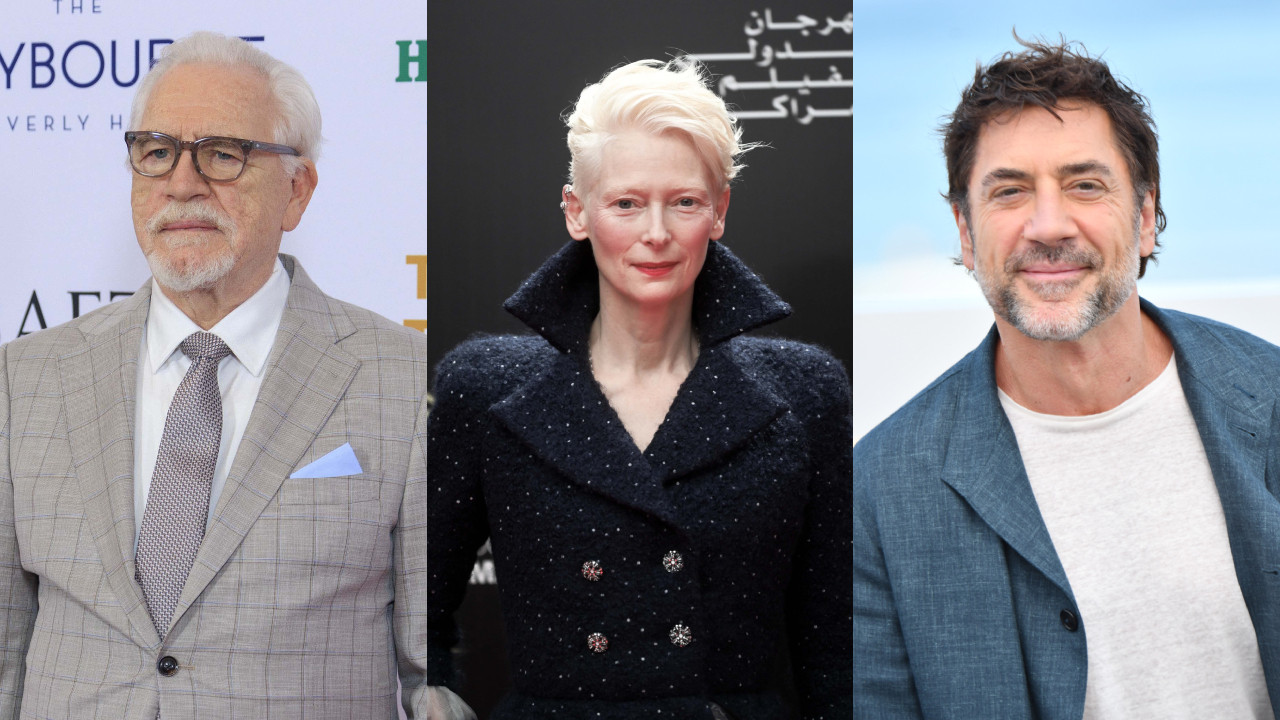
Among the signatories are internationally recognized names including Javier Bardem, Tilda Swinton, Brian Cox, and Adam McKay. The letter directly criticizes the festival’s alleged “censorship of artists who oppose the ongoing genocide perpetrated by Israel against Palestinians in Gaza and the key role played by the German state in enabling this genocide.” The artists are calling on other institutions within the film industry to refrain from “complicity in the ongoing horrific violence against Palestinians,” and urge Berlinale officials to take a firm stance against the conflict and openly express their support for Palestinian rights. The situation reflects a broader trend of increasing calls for boycotts of Israeli institutions and cultural events, a movement gaining momentum within artistic circles globally.
The 76th Berlin International Film Festival, which began on February 12th, 2026, has been the focal point of this controversy. Reports indicate that questions posed by journalists to artists regarding the situation in Palestine during festival interviews have gone unanswered. Further fueling the discontent, Wim Wenders, the German director serving as jury president for the festival, responded to a question about whether the festival would take a stand on Gaza by stating, “The jury should stay away from politics.” This response, as reported by multiple sources, has drawn significant criticism from those advocating for a more vocal stance from the festival.
Growing Concerns Over Artistic Freedom and Political Neutrality
The core of the dispute centers on the perceived conflict between maintaining political neutrality and upholding artistic freedom. The signatories argue that remaining silent on a humanitarian crisis of this magnitude is itself a political act, effectively silencing dissenting voices and normalizing violence. They contend that the Berlinale, as a platform for artistic expression, has a responsibility to address pressing global issues and provide a space for dialogue, even – and especially – when those dialogues are uncomfortable or controversial. This debate mirrors broader discussions within the arts community about the ethical obligations of artists and institutions in the face of political injustice.
The letter specifically highlights the German government’s role, accusing it of playing a “key role in enabling this genocide.” This is a particularly sensitive point given Germany’s historical responsibility and its strong relationship with Israel. Germany has been a staunch ally of Israel, providing significant political and military support. This historical context adds another layer of complexity to the controversy surrounding the Berlinale’s response. The signatories’ assertion directly challenges the German government’s position and calls for a reevaluation of its policies.
The situation at the Berlinale is not isolated. Similar debates are unfolding at film festivals and cultural events worldwide, as artists and audiences grapple with how to respond to the conflict in Gaza. The increasing calls for boycotts, divestment, and sanctions (BDS) against Israel are indicative of a growing movement seeking to hold Israel accountable for its actions towards Palestinians. The Berlinale controversy serves as a microcosm of this larger global struggle.
List of Signatories
- Adam McKay
- Adèle Haenel
- Alan O’Gorman
- Alexandra Juhasz
- Alexandre Koberidze
- Alia Shawkat
- Alison Oliver
- Alkis Papastathopoulos
- Ana Naomi de Sousa
- Angeliki Papoulia
- Antigoni Rota
- Ariane Labed
- Artemis Anastasiadou
- Ashley McKenzie
- Avi Mograbi
- Bahija Essoussi
- Ben Russell
- Bingham Bryant
- Blake Williams
- Blanche Gardin
- Brett Story
- Brian Cox
- Camilo Restrepo
- Carice Van Houten
- Charlie Shackleton
- Cherien Dabis
- Christopher Young
- Dali Benssalah
- David Osit
- Deragh Campbell
- Dustin Defa
- Eleni Alexandrakis
- Elhum Shakerifar
- Emilie Deleuze
- Eyal Sivan
- Fernando Meirelles
- Fil Ieropoulos
- Geoff Arbourne
- Hany Abu Assad
- Hind Meddeb
- James Benning
- Javier Bardem
- John Greyson
- Jon Jost
- Khalid Abdalla
- Leah Borromeo
- Lukas Dhont
- Mahdi Fleifel
- Mai Masri
- Malika Zouhali-Worrall
- Manuel Embalse
- Marina Gioti
- Marion Schmidt
- Merawi Gerima
- Miguel Gomes
- Mike Leigh
- Miranda Pennell
- Namir Abdel Messeeh
- Nan Goldin
- Narimane Mari
- Nina Menkes
- Pascale Ramonda
- Patricia Mazuy
- Paul Laverty
- Pedro Pimenta
- Peter Mullan
- Phaedra Vokali
- Robert Greene
- Saeed Taji Farouky
- Saleh Bakri
- Samaher Alqadi
- Sarah Friedland
- Sepideh Farsi
- Shirin Neshat
- Smaro Papaevangelou
- Sofia Georgovassili
- Tatiana Maslany
- Thodoris Dimitropoulos
- Tilda Swinton
- Tobias Menzies
- Tyler Taormina
The Broader Context of Artistic Activism
This incident at the Berlinale is part of a larger trend of artists using their platforms to advocate for political and social change. From protests against the Vietnam War to campaigns for environmental protection, artists have long played a role in raising awareness and challenging the status quo. The current conflict in Gaza has sparked a particularly strong response from the artistic community, with many artists using their work to express solidarity with Palestinians and condemn the violence. This activism often comes with risks, including censorship, backlash, and even threats. However, many artists believe that they have a moral obligation to speak out against injustice, even when This proves unpopular or dangerous.
The debate over the Berlinale’s response also raises questions about the role of cultural institutions in navigating politically sensitive issues. Some argue that these institutions should remain neutral and avoid taking sides, while others believe that they have a responsibility to promote social justice and human rights. Finding a balance between these competing values is a complex challenge, and there is no easy answer. The Berlinale’s handling of this situation will likely set a precedent for other film festivals and cultural institutions facing similar dilemmas in the future.
As of February 19, 2026, the Berlinale has not issued a formal statement addressing the concerns raised in the open letter. The festival is scheduled to conclude on February 25, 2026, and it remains to be seen whether officials will respond to the criticism before the event ends. The situation continues to develop, and further updates will be provided as they become available. The ongoing dialogue surrounding this issue underscores the increasing intersection of art, politics, and social responsibility in the 21st century.
The controversy surrounding the Berlinale highlights the growing pressure on cultural institutions to take a stand on global issues. Whether the festival will respond to the demands of the 81 signatories remains to be seen, but the debate has already sparked a wider conversation about the role of art and artists in a world grappling with conflict, and injustice. The situation serves as a reminder that even seemingly apolitical spaces are not immune to the forces shaping our world.
What happens next? The Berlinale concludes on February 25th, 2026. Any official response from festival leadership is anticipated before this date. Readers can stay updated on the festival’s official website: https://www.berlinale.de/. We encourage you to share your thoughts on this important issue in the comments below.
Worth a look