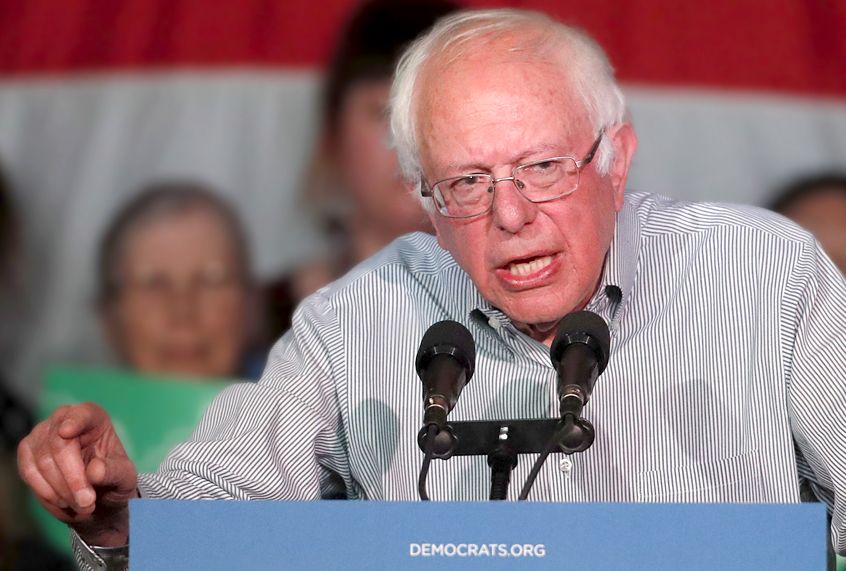
Bernie Sanders of Vermont has confirmed he will seek reelection in 2018 as an independent, maintaining his political status despite his 2016 bid for the Democratic presidential nomination. The decision, announced during a trip to New Hampshire, reaffirms his intent to continue caucusing with the Democrats in the United States Senate while remaining unaffiliated with the party organization.
The announcement has reignited discussions regarding Sanders’ alignment with the Democratic establishment. During an interview with Fox News, Sanders stated, “I am an independent and I have always run in Vermont as an independent, while I caucus with the Democrats in the United States Senate. That’s what I’ve been doing for a long time and that’s what I’ll continue to do.” This stance marks a return to his traditional political identity, following his campaign as a Democrat during the 2016 primary season.
Political Alignment and Past Statements
Sanders’ decision to run as an independent contrasts with statements made during his 2016 presidential campaign. In November 2015, while campaigning in New Hampshire, a reporter asked the senator if he would run as a Democrat in future elections. Sanders replied, “Yes.” This previous commitment led many within the Democratic Party to view his subsequent return to independent status as a departure from his earlier assurances.

The tension between Sanders and the Democratic Party establishment is well-documented. During the 2016 election cycle, leaked internal emails published by Wikileaks revealed that former chairwoman Debbie Wasserman-Schultz expressed frustration regarding Sanders’ involvement in the party. In one exchange, Wasserman-Schultz noted that the senator “has never been a member of the Democratic Party and has no understanding of what we do.” These communications highlighted a deep-seated distrust within the party leadership toward a candidate who, while caucusing with them, operated outside the traditional party structure.
The Dynamic of Independent Representation
The senator’s political trajectory has frequently centered on his status as an independent. Before his presidential run, Sanders had not been a registered Democrat, having built his career in Vermont politics on a platform that prioritized independence from the two-party system.
However, the move back to independent status has drawn criticism from those who believe his temporary affiliation with the Democratic Party was a matter of political convenience rather than ideological alignment. Critics argue that entering and leaving the party based on electoral goals undermines the values of voters who identify as lifelong Democrats. This debate underscores broader questions about the role of independents in American politics and the structural challenges of working within a two-party system.
Looking Ahead to the 2018 Cycle
As the 2018 election cycle approaches, Sanders’ decision to run as an independent in Vermont is expected to influence local and national discourse on party loyalty. While he maintains his caucus affiliation in the Senate, his formal status outside the party organization remains a point of contention for some establishment figures.
For voters and political observers, the upcoming election will serve as a test of the efficacy of his independent brand in a polarized political environment. We encourage readers to share their thoughts on the role of independent candidates in the comments section below.