
Chronic inflammation is a significant underlying factor in the progression of degenerative osteoarthritis, and dietary choices play a critical role in managing systemic inflammatory markers. According to the Arthritis Foundation, while no single food can cure arthritis, an anti-inflammatory diet focused on whole, unprocessed ingredients can reduce joint pain and improve physical function by lowering levels of C-reactive protein (CRP) in the blood.
As a physician, I frequently see patients looking for ways to mitigate joint discomfort through lifestyle adjustments. While pharmacological interventions remain the standard of care for pain management, clinical evidence suggests that consistent nutritional patterns can serve as a powerful, non-invasive complement to traditional therapy. The goal is to minimize the consumption of pro-inflammatory triggers—such as refined sugars and ultra-processed fats—while increasing the intake of phytonutrients known for their antioxidant properties.
Understanding the Link Between Diet and Joint Inflammation
The relationship between diet and joint health is mediated by the body’s immune response. When we consume foods high in saturated fats, refined carbohydrates, and processed additives, the body may experience a spike in inflammatory cytokines. Research published by the National Institutes of Health (NIH) highlights that chronic, low-grade systemic inflammation is a primary driver of cartilage degradation in patients with osteoarthritis.
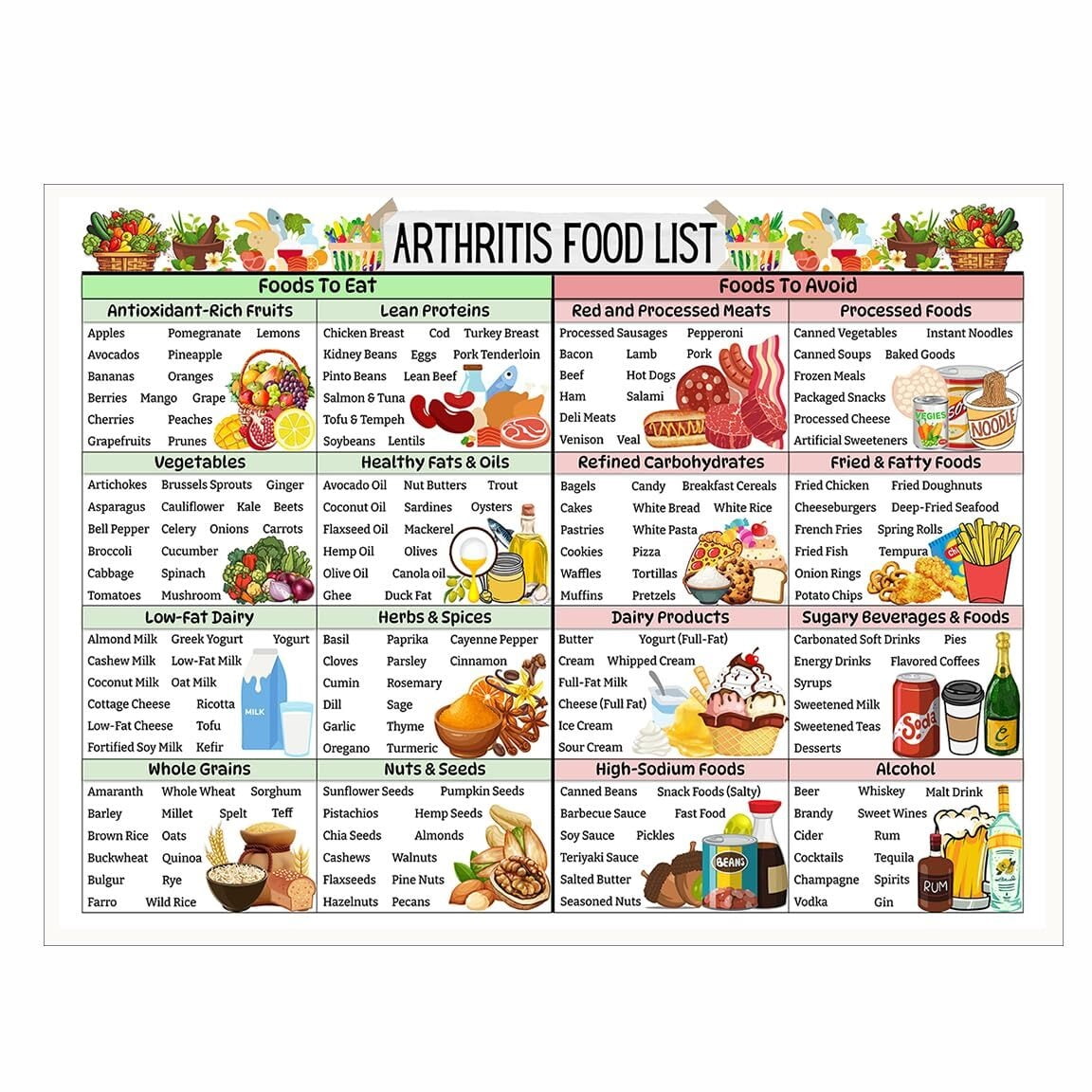
For individuals managing joint pain, the most effective dietary approach is one that mimics the Mediterranean diet, which prioritizes plant-based foods, healthy fats, and lean proteins. This dietary model is supported by longitudinal studies showing a direct correlation between high intake of omega-3 fatty acids and a reduction in joint stiffness. Unlike processed snacks that trigger rapid glucose spikes, these nutrient-dense foods stabilize blood sugar and provide the building blocks necessary for tissue repair.
Anti-Inflammatory Foods for Daily Consumption
Incorporating specific food groups can help modulate the inflammatory response over time. The following categories are frequently cited by medical professionals as pillars of an anti-inflammatory lifestyle:
- Omega-3 Fatty Acids: Found in fatty fish such as salmon, mackerel, and sardines, these essential fats inhibit the production of substances that cause inflammation. The American Heart Association recommends at least two servings of fatty fish per week to support both cardiovascular and joint health.
- Cruciferous Vegetables: Broccoli, Brussels sprouts, and kale contain sulforaphane, a compound that may block enzymes associated with joint destruction.
- Berries and Tart Cherries: These are rich in anthocyanins, powerful antioxidants that help neutralize free radicals.
- Turmeric and Ginger: Curcumin, the active compound in turmeric, has been studied extensively for its ability to suppress inflammatory pathways, often showing benefits comparable to some non-steroidal anti-inflammatory drugs (NSAIDs) in clinical settings, as noted by the National Center for Complementary and Integrative Health.
Habits That Exacerbate Systemic Inflammation
Even a nutrient-rich diet can be undermined by lifestyle habits that promote systemic inflammation. Medical experts emphasize that the consumption of trans fats—often found in fried foods and commercially baked goods—is one of the most significant contributors to vascular and joint inflammation. These fats can increase the risk of metabolic syndrome, which is frequently comorbid with severe osteoarthritis.
Another major factor is the high intake of refined sugars. When blood glucose levels remain consistently elevated, the process of glycation occurs, leading to the formation of Advanced Glycation End-products (AGEs). According to research from the American Diabetes Association, these compounds contribute to oxidative stress and can damage the structural proteins within cartilage and connective tissues.
Integrating Nutritional Changes into Your Healthcare Plan
Transitioning to an anti-inflammatory diet is not about temporary restriction but about long-term sustainability. For patients currently managing osteoarthritis, it is essential to coordinate any significant dietary changes with a primary care physician or a registered dietitian. This is especially important for those on blood-thinning medications, as high doses of certain supplements like turmeric or fish oil can interact with existing prescriptions.

If you are experiencing persistent joint pain, the next step should be a comprehensive evaluation to confirm the stage of your osteoarthritis. Most rheumatology departments offer standardized screenings to assess joint function and inflammation markers. Staying informed through verified medical sources and maintaining a consistent, evidence-based lifestyle remains the most effective strategy for preserving joint mobility as you age.
Have you modified your diet to manage joint pain? Share your experiences in the comments below, or consult your local healthcare provider to discuss a personalized nutritional strategy tailored to your specific health needs.
Worth a look