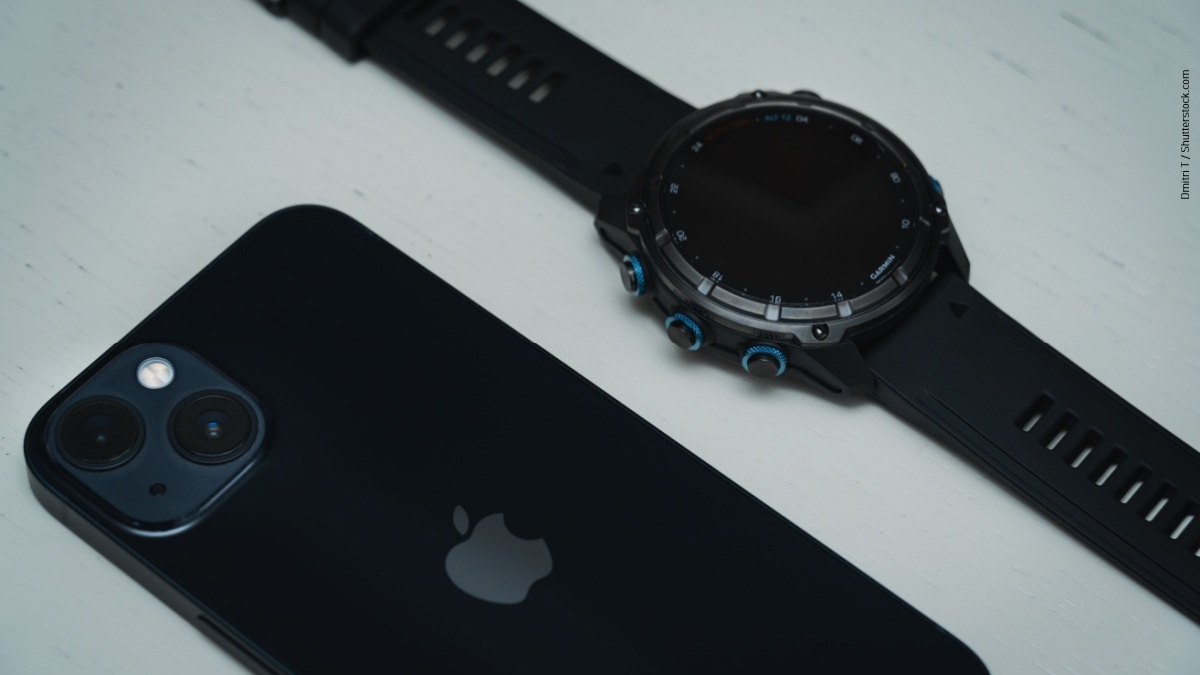
When choosing a smartwatch to pair with an iPhone, users often weigh the seamless integration of the Apple Watch against the value and features offered by alternatives like Huawei’s lineup. While Apple’s ecosystem provides deep compatibility, recent verification shows that several Huawei smartwatch models work effectively with iPhones running iOS 13 or later, offering a compelling mix of affordability and functionality for global consumers seeking options beyond Apple’s offerings.
The Huawei Watch Fit 4 and Watch 5 series have emerged as notable alternatives, particularly for users prioritizing battery life and health monitoring features at a lower price point. According to verified sources, Huawei’s smartwatches run on a lightweight Android-based system but do not include access to the Google Play Store, distinguishing them from Wear OS devices while still enabling core functionality when paired with an iPhone through the Huawei Health app.
To use a Huawei watch with an iPhone, users must first download the Huawei Health app from the App Store, create or log in with a Huawei ID, and ensure the watch is powered on and within Bluetooth range. The pairing process, while not as instantaneous as with an Apple Watch, typically takes just a few minutes and supports features like heart rate tracking, sleep analysis, and workout monitoring. Notably, Huawei Health is available on both iOS and Android, allowing iPhone users to access their health data consistently across devices.
One of the most frequently cited advantages of Huawei smartwatches is their extended battery life. The Huawei Watch Fit 4, for example, offers up to 10 days of typical use on a single charge—significantly surpassing the 18-hour to two-day range seen in most Apple Watch models depending on usage. This makes it especially appealing for users who prefer minimal charging interruptions during travel or extended outdoor activities.
In terms of pricing, Huawei positions its smartwatches as more accessible alternatives. The entry-level Huawei Watch Fit 4 starts at approximately $129, nearly half the cost of the Apple Watch SE, which begins at $249. Despite the lower price, the Watch Fit 4 includes features such as SpO2 (blood oxygen) monitoring, stress tracking, and over 100 workout modes—some of which are either absent or require higher-tier models in Apple’s current lineup.
Design-wise, the Huawei Watch Fit 4 adopts a rectangular display reminiscent of certain Apple Watch iterations, offering a familiar aesthetic for users transitioning from or comparing to Apple’s ecosystem. Its AMOLED screen delivers clear visibility under various lighting conditions, and the device supports customizable watch faces and notifications for calls, messages, and apps when connected to an iPhone.
Yet, Notice limitations to consider. Unlike the Apple Watch, Huawei smartwatches do not support ECG (electrocardiogram) readings, fall detection, or Emergency SOS via satellite—features that are integral to Apple’s health and safety suite. While basic notifications sync properly, third-party app interactions and voice assistant functionality (such as replying to messages via Siri) are more restricted compared to the Apple Watch experience.
For iPhone users invested in Apple’s broader ecosystem—such as those using MacBooks, iPads, or AirPods—the Apple Watch still provides superior continuity, including features like Auto Unlock, Apple Pay integration, and precise device finding. Yet, for users whose primary needs center on fitness tracking, long battery life, and cost efficiency, verified reports confirm that Huawei’s current smartwatch generation delivers strong performance when paired with an iPhone.
As of April 2024, Huawei continues to support its Watch Fit and Watch series with firmware updates via the Huawei Health app, ensuring ongoing compatibility with iOS versions up to iOS 17 and beyond. Users are advised to retain both their iPhone’s operating system and the Huawei Health app updated to maintain optimal connection stability and feature availability.
the decision between an Apple Watch and a Huawei smartwatch for iPhone use depends on individual priorities. Those valuing deep ecosystem integration, advanced health sensors, and extensive app support may uncover the Apple Watch worth the premium. Meanwhile, users seeking reliable health tracking, extended battery life, and essential smart features at a fraction of the cost have a verified, functional alternative in Huawei’s recent smartwatch offerings—provided they are willing to navigate a slightly less seamless setup process.
Related reading