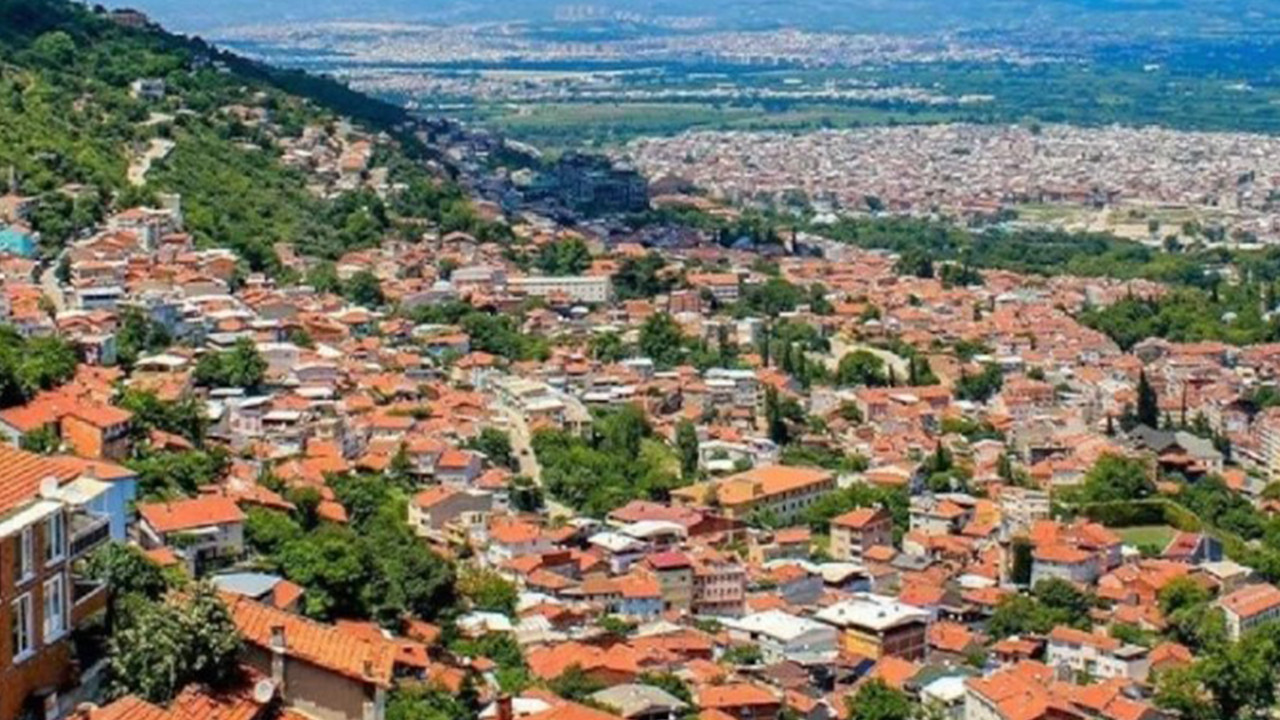
Eskişehir Rises as One of the World’s Safest Cities, Surpassing Turkish Metropolitan Hubs
Eskişehir, a city in central Turkey, has been recognized as one of the safest cities globally, according to recent reports. This distinction marks a significant shift in perceptions of urban safety within Turkey, as Eskişehir now surpasses larger and more well-known metropolitan areas like İstanbul, Ankara and İzmir in safety rankings. The rising prominence of Eskişehir as a secure urban center is attributed to a combination of factors, including lower levels of crime, effective urban planning, and a comparatively manageable cost of living. This news comes as other Turkish cities grapple with challenges related to high rental costs, traffic congestion, and environmental concerns, all of which impact overall quality of life.
The assessment of urban safety is increasingly complex, moving beyond traditional crime statistics to encompass factors like environmental pollution, the ratio of housing costs to income, and the overall cost of living. These metrics provide a more holistic view of a city’s habitability and its ability to provide a high quality of life for its residents. Recent data suggests that cities with high rental burdens and significant traffic problems, such as İstanbul and Ankara, have seen their overall scores decline in these comprehensive quality of life assessments. Duvar English reported on Eskişehir’s inclusion in the top 10 safest cities worldwide.
Factors Contributing to Eskişehir’s Safety
Eskişehir’s success in achieving a high safety ranking is not accidental. The city has benefited from strategic urban planning that prioritizes pedestrian-friendly zones, green spaces, and efficient public transportation. These elements contribute to a sense of community and reduce opportunities for crime. Eskişehir is a university town, hosting several prominent educational institutions, including Anadolu University and Eskişehir Osmangazi University. The presence of a large student population often correlates with a more vibrant and socially engaged community, which can positively influence safety levels. The city’s relatively smaller size compared to İstanbul or Ankara likewise allows for more effective policing and community outreach programs.
The challenges faced by larger Turkish cities, such as İstanbul and Ankara, highlight the complexities of maintaining safety and quality of life in rapidly growing urban environments. High rental costs and crippling traffic congestion are frequently cited as major drawbacks, negatively impacting residents’ well-being and contributing to a lower overall quality of life score. İndigo Dergisi also reported on Eskişehir’s recognition as one of the world’s safest cities.
Broader Trends in Turkish Urban Safety
Eskişehir is not the only Turkish city gaining recognition for its safety and quality of life. Recent reports indicate that six Turkish cities are now among the world’s safest to live in. This positive trend suggests a growing commitment to urban development and safety across Turkey. However, the disparities between cities remain significant, with İstanbul and Ankara continuing to face challenges related to affordability, traffic, and environmental pollution. Duvar English detailed that six Turkish cities are now considered among the safest globally.
The Role of Environmental Factors and Cost of Living
The increasing emphasis on environmental factors and cost of living in urban safety assessments reflects a growing awareness of the interconnectedness between these elements and overall quality of life. Cities with high levels of air pollution or limited access to green spaces often experience lower scores in these assessments. Similarly, cities with exorbitant housing costs can become unsustainable for many residents, leading to social and economic disparities. Eskişehir’s relatively clean environment and more affordable housing market contribute significantly to its positive safety ranking. The city’s commitment to sustainable urban development and its focus on creating a livable environment for all residents are key factors in its success.
The Numbeo data, referenced in initial reports, highlights the importance of considering a broad range of factors when evaluating urban safety. While crime rates remain a crucial component, they are no longer the sole determinant of a city’s habitability. The ability to provide affordable housing, maintain a clean environment, and offer efficient transportation options are all essential elements of a safe and thriving urban center. This holistic approach to urban planning is gaining traction globally, as cities strive to create more livable and sustainable environments for their residents.
Looking Ahead: Implications for Urban Development in Turkey
The success of Eskişehir and other Turkish cities in achieving high safety rankings offers valuable lessons for urban development across the country. Investing in sustainable infrastructure, prioritizing pedestrian-friendly zones, and addressing affordability concerns are crucial steps towards creating safer and more livable cities. Fostering community engagement and promoting social cohesion can contribute to a stronger sense of security and well-being. The Turkish government and local municipalities are increasingly recognizing the importance of these factors and are implementing policies aimed at improving urban quality of life.
As Turkey continues to urbanize, the need for effective urban planning and sustainable development will become even more critical. The experiences of cities like Eskişehir demonstrate that it is possible to create safe, affordable, and livable urban environments, even in rapidly growing economies. By prioritizing the well-being of its citizens and investing in long-term sustainability, Turkey can position itself as a leader in urban innovation and quality of life.
Further updates on urban safety rankings and developments in Turkish city planning will be reported as they become available. Readers are encouraged to share their experiences and perspectives on urban safety in the comments section below.
Related reading