
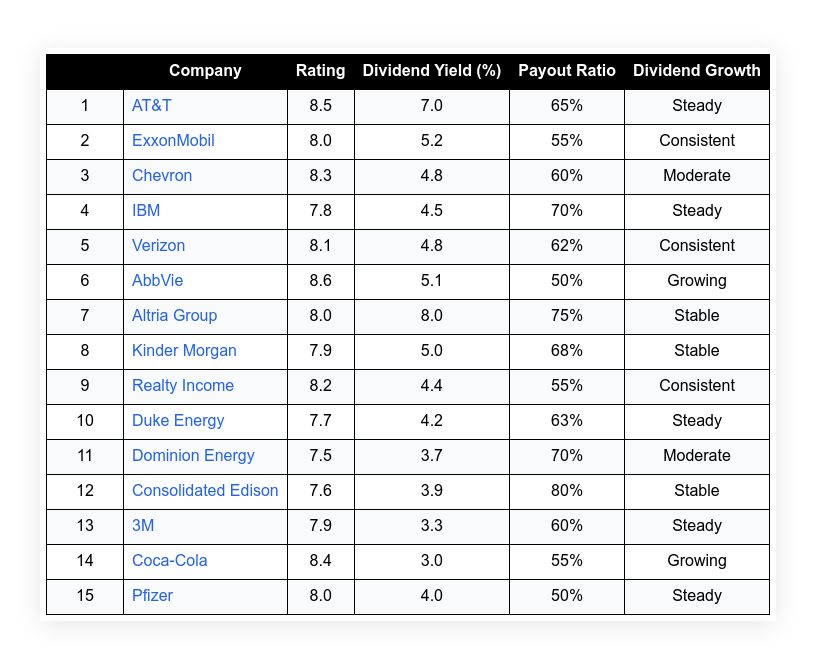
For many retirees, the pursuit of financial stability centers on identifying reliable income streams that can withstand market volatility. Selecting safe dividend-paying stocks—often referred to by investors as “안전 투자 배당주”—requires a disciplined approach to evaluating company fundamentals, payout ratios, and long-term sustainability. As we look toward the mid-2026 economic landscape, understanding the mechanics of dividend investing remains a cornerstone of prudent retirement planning.
At its core, dividend investing involves purchasing shares in companies that distribute a portion of their earnings back to shareholders on a regular basis. For those in or approaching retirement, the primary objective is typically capital preservation combined with consistent cash flow. According to guidance provided by the U.S. Securities and Exchange Commission (SEC), dividends are not guaranteed; they are subject to board approval and can be reduced or eliminated at any time, making thorough research into a company’s financial health essential for any long-term strategy.
Evaluating Dividend Sustainability
When assessing whether a stock is suitable for a retirement portfolio, experts often look beyond the current yield. A high dividend yield can sometimes signal financial distress rather than a lucrative opportunity. The payout ratio—the percentage of earnings paid out as dividends—serves as a primary indicator of whether a company can maintain its payments. A company consistently paying out more than it earns may eventually be forced to cut its dividend, which can lead to a decline in stock price.

Investors frequently monitor the “dividend payout ratio” to gauge safety. As noted by the Financial Industry Regulatory Authority (FINRA), investors should investigate why a company pays a dividend and how it funds those payments. Sustainable dividends are typically supported by strong, predictable free cash flow, which allows a company to reward shareholders while still reinvesting in its own growth or maintaining a healthy balance sheet.
Risk Management in Retirement
The transition from an accumulation phase to a distribution phase in retirement requires a shift in risk tolerance. Many investors prioritize “Dividend Aristocrats”—companies that have increased their dividends for at least 25 consecutive years—as these entities have demonstrated the ability to navigate various economic cycles. However, even established companies are not immune to industry-specific disruptions or macroeconomic shifts.

Diversification remains the most effective tool for mitigating sector-specific risk. By spreading investments across different industries, such as consumer staples, utilities, and healthcare, retirees can reduce the impact of a dividend cut in any single company. The U.S. government’s investor education portal emphasizes that diversification does not eliminate the risk of loss, but it is a fundamental strategy for managing volatility in a portfolio designed for long-term income.
The Role of Market Volatility
It is important to recognize that dividend stocks are still equities and are subject to market fluctuations. When interest rates rise, dividend-paying stocks—particularly those in the utility or real estate sectors—can become less attractive compared to fixed-income instruments like bonds or high-yield savings accounts. This dynamic is a critical consideration for retirees who rely on their portfolios for monthly expenses.
As of June 2026, market participants continue to monitor central bank policies, which influence the attractiveness of yield-generating assets. Staying informed through official regulatory filings, such as those found on the SEC’s EDGAR database, allows investors to review a company’s actual financial performance rather than relying on promotional materials or social media commentary. Transparency in financial reporting is the most reliable metric for assessing the safety of any investment.
Next Steps for Investors
For those refining their retirement strategy, the next steps involve a thorough audit of current holdings and future income needs. Investors should prepare for upcoming quarterly earnings reports, where companies will provide updated guidance on dividend policies and capital allocation. Regularly reviewing these filings and consulting with a qualified financial advisor who acts as a fiduciary can help ensure that an investment strategy remains aligned with individual retirement goals.
If you have questions about your specific financial situation or would like to share your experiences with dividend investing, we encourage you to join the conversation in the comments section below. Your insights help foster a more informed community for all readers.