The transition is particularly evident among workers and students who require reliable, short-to-medium range transport.
While the initial purchase price can be higher than traditional bikes, the operational savings are significant. Electric motorcycles eliminate the need for periodic oil changes and drastically reduce “fuel” costs, as electricity is cheaper than petrol per unit of energy.
Top Electric Motorcycles for Daily Commuting and Students
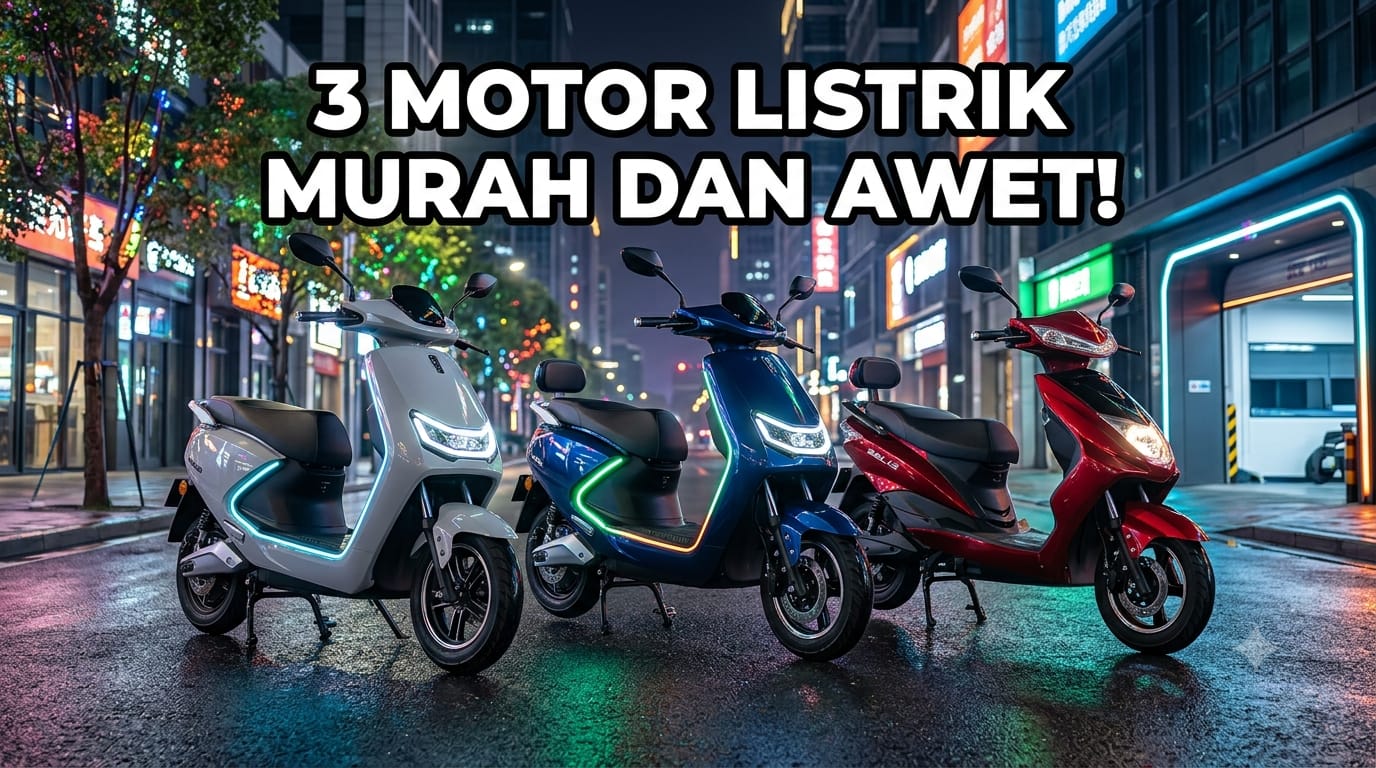
For those prioritizing economy and efficiency, several models have emerged as leaders in the Indonesian market. These vehicles are designed for urban agility and low maintenance, catering specifically to the “last-mile” commute for workers and the school run for students.
For users requiring longer distances, models with a range of up to 130 km on a single charge are becoming the standard for “commuter-grade” EVs.
Another segment of the market focuses on “active women” and parents, with designs that emphasize storage space and ease of ride. These models often include larger under-seat storage or front baskets to accommodate school bags, groceries, and work documents, blending utility with the cost-saving benefits of electric propulsion.
Safety and Performance in Wet Conditions
A primary concern for new EV adopters in Southeast Asia is the safety of electric motorcycles during the monsoon season. Given Indonesia’s frequent heavy rains and urban flooding, the integrity of the electrical system is a critical focal point for consumers.

Technical assessments from automotive workshops indicate that most modern electric motorcycles are designed with IP (Ingress Protection) rated components. The battery and motor are typically sealed to prevent water from entering the core circuitry. According to industry standards, these seals protect the vehicle from rain and splashes; however, total submersion in deep floodwaters remains a risk.
Experts advise that while riding through light rain is generally safe, avoiding deep floods is essential to prevent short circuits or permanent damage to the battery management system (BMS). If a vehicle is exposed to significant water, technicians recommend a full inspection of the wiring and connectors before attempting to power on the bike to avoid electrical surges.
Comparing EV Utility vs. Traditional Combustion Bikes
The decision to switch to an electric motorcycle often comes down to a comparison of long-term value versus immediate cost. Traditional motorcycles offer the convenience of rapid refueling, but they are subject to the volatility of global oil prices.

Electric motorcycles provide a predictable cost structure. Furthermore, the mechanical simplicity of an electric motor, which lacks pistons, valves, and exhaust systems, results in fewer moving parts that can fail over time.
However, the “touring” segment is a different story. While urban commuters find EVs sufficient, those seeking long-distance travel are looking toward “big body” electric scooters. New models entering the market in 2025 and 2026 are designed to compete with high-capacity ICE scooters like the Yamaha NMAX, offering more comfort, larger frames, and higher top speeds for highway use.
Infrastructure and the Future of Urban Mobility
For now, the trend remains focused on the immediate economic relief provided by switching from petrol to electricity for daily travel.
Do you believe electric motorcycles are a viable replacement for your daily commute? Share your experiences and questions in the comments below.