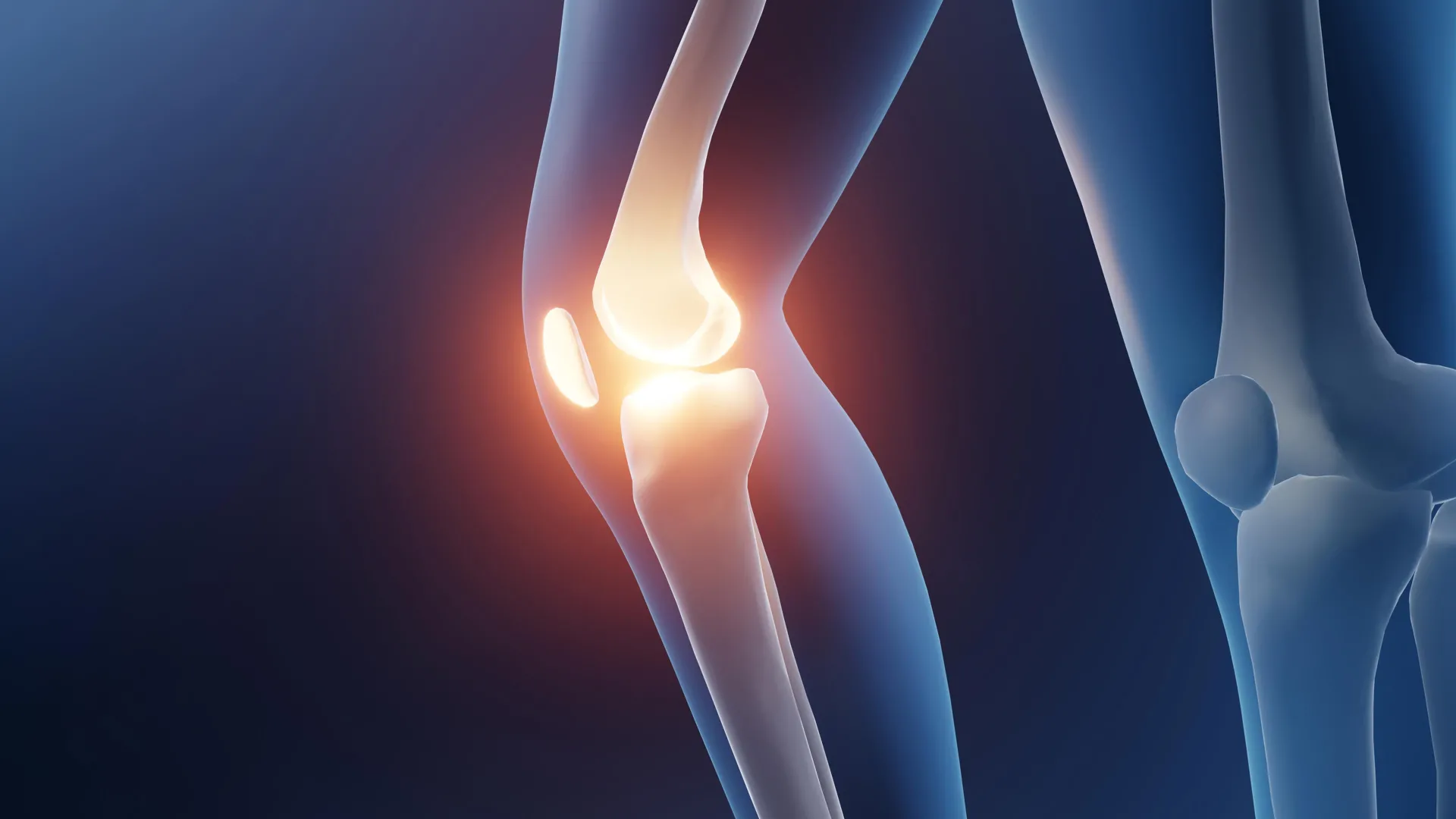
For millions of people living with knee osteoarthritis, the simple act of walking to the kitchen or climbing a flight of stairs can become a source of significant pain. While the instinct for many is to limit movement to avoid aggravating the joint, modern evidence suggests that the opposite approach—staying active—is the most effective way to manage the condition.
A comprehensive systematic review and network meta-analysis published in The BMJ
has identified aerobic exercise as the superior method for relieving knee arthritis pain and improving physical function. By analyzing data from 217 randomized controlled trials, researchers found that activities that elevate the heart rate while remaining gentle on the joints provide the most substantial relief for those suffering from the degenerative joint disease.
The findings underscore a critical shift in musculoskeletal care: movement is not the enemy of an arthritic joint, but rather its primary medicine. For patients struggling with stiffness and chronic inflammation, the study suggests that a structured aerobic regimen is the most reliable path toward regaining mobility and enhancing quality of life.
The Superiority of Aerobic Exercise for Knee Pain
The massive review, which synthesized results from 217 trials, concluded that aerobic exercise outperforms other modalities in reducing pain and improving gait performance. The researchers highlighted specific low-impact activities as being particularly effective, including walking, cycling, and swimming. These exercises help lubricate the joint, strengthen the supporting musculature, and improve cardiovascular health without placing excessive stress on the cartilage.

According to the study, published in The BMJ in 2025, aerobic activities are likely the best strategy for improving overall function and quality of life. The analysis suggests that while the “best” exercise may vary slightly based on a patient’s current fitness level, the aerobic category consistently yields the most significant improvements in pain scores.
The biological mechanism behind this relief involves the production of synovial fluid, which acts as a lubricant for the knee joint. Regular aerobic movement encourages this fluid to circulate, reducing the friction that causes the “grinding” sensation typical of osteoarthritis. Aerobic exercise helps manage systemic inflammation, which can lower the overall pain threshold for the patient.
Integrating Complementary Modalities
While aerobic exercise emerged as the primary driver of relief, the research indicates that it does not have to be the only tool in the toolkit. The study found that other forms of exercise—such as strength training and mind-body exercises (including Tai Chi and Yoga)—offer complementary benefits. However, the authors caution that these should be used as supplements to, rather than replacements for, an aerobic foundation.
The Role of Strength Training
Strength training, particularly targeting the quadriceps and hamstrings, provides essential stability to the knee. When the muscles surrounding the joint are strong, they absorb more of the impact during daily activities, effectively “unloading” the joint and reducing the pressure on the worn-down cartilage. The review suggests that combining resistance training with aerobic work creates a synergistic effect, leading to better long-term outcomes than either approach alone.
Mind-Body and Flexibility Exercises
Flexibility and neuromotor exercises, such as balance training and stretching, help maintain the range of motion. Mind-body practices can similarly help patients manage the psychological burden of chronic pain, reducing the anxiety and depression often associated with limited mobility. When integrated into a comprehensive plan, these modalities ensure that the patient remains flexible and mentally resilient while the aerobic exercise handles the primary pain reduction.
Safety and Implementation: Moving from Theory to Practice
One of the most significant conclusions of the 217-trial review is the confirmation that exercise is a safe and essential component of osteoarthritis treatment. There is a common misconception among patients that “wear and tear” means the joint should be rested. The evidence now proves that controlled, consistent movement does not accelerate joint degradation but instead slows the progression of disability.
To implement these findings safely, medical professionals recommend a “start low, go slow” approach. This involves beginning with short durations of low-impact activity—such as 10 minutes of swimming or stationary cycling—and gradually increasing the intensity as the joint adapts. This prevents the acute flares of pain that can lead patients to abandon their exercise routines.
For those seeking to start a regimen, the systematic review indexed in PubMed emphasizes the importance of consistency over intensity. The goal is not high-impact athletic performance, but sustained, rhythmic movement that keeps the joint mobile and the cardiovascular system active.
Key Takeaways for Patients
- Prioritize Aerobics: Walking, cycling, and swimming are the most effective exercises for reducing knee pain and improving movement.
- Combine Approaches: Use strength training and flexibility exercises to support your aerobic routine, not replace it.
- Consistency is Key: Regular, low-impact movement is safe and prevents the stiffness associated with inactivity.
- Consult Professionals: Always work with a physical therapist or physician to tailor a plan to your specific stage of arthritis.
The Future of Osteoarthritis Management
The publication of this network meta-analysis marks a shift toward more evidence-based, non-pharmacological interventions for joint pain. By moving away from a reliance on painkillers and toward a “movement-first” philosophy, healthcare providers can help patients avoid the side effects of long-term NSAID use and the risks associated with premature joint replacement surgery.
The next step for clinicians and researchers is the development of tailored, personalized exercise prescriptions. As highlighted in an editorial in The BMJ
published on October 30, 2025, there is a growing need for tailored plans and support systems to ensure that patients maintain long-term engagement with these exercise programs.
Patients are encouraged to discuss these findings with their healthcare providers to determine which aerobic activity is safest for their specific condition. As the medical community continues to refine these guidelines, the focus remains on empowering patients to reclaim their mobility through science-backed activity.
We invite our readers to share their experiences with knee arthritis management in the comments below. How has a specific exercise routine helped your mobility? Share this article with others who may benefit from these latest scientific insights.