
Consuming specific nutrients like tryptophan, magnesium, and melatonin can improve nutrition and sleep quality by regulating the body’s circadian rhythm and neurotransmitter levels. Foods such as tart cherries, fatty fish, and leafy greens support the production of sleep-regulating hormones, though timing and overall dietary patterns remain critical for restorative rest.
The relationship between dietary intake and sleep architecture is a growing focus for nutritional science. While many people focus on sleep hygiene through environmental changes, such as room temperature or light exposure, the biochemical influence of food plays a fundamental role in how quickly an individual falls asleep and the depth of that sleep. The body relies on specific amino acids and minerals to synthesize the hormones necessary for transitioning from wakefulness to rest.
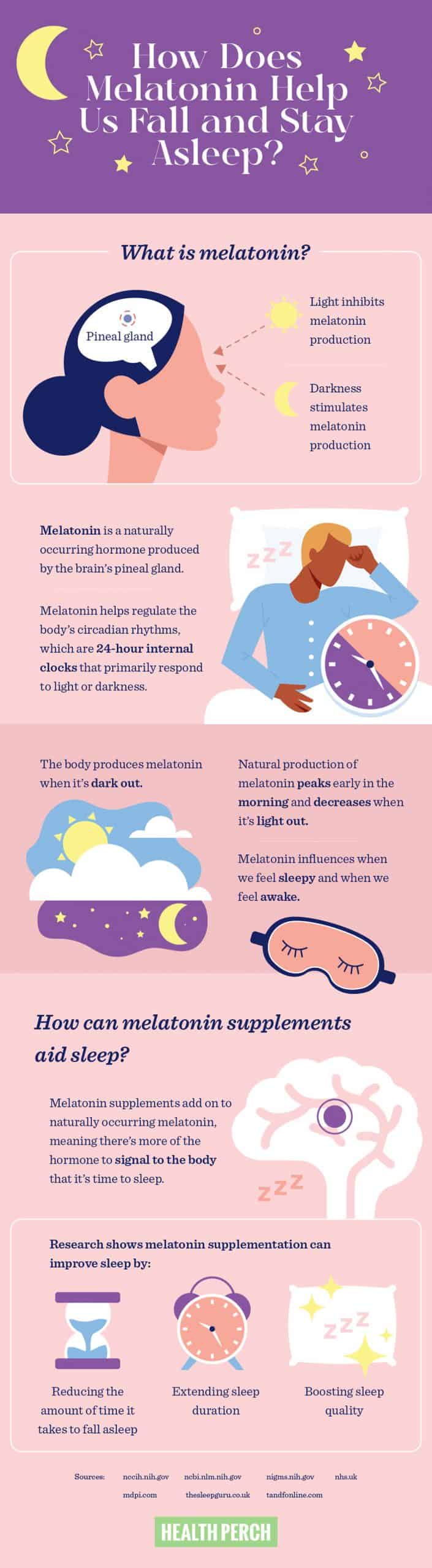
According to the Sleep Foundation, the nutrients consumed during the day can influence the production of serotonin and melatonin, the two primary chemical messengers responsible for regulating the sleep-wake cycle. When these levels are optimized through targeted nutrition, the body can more effectively manage its internal biological clock.
How does nutrition influence sleep quality?
Sleep is not merely a passive state of rest; it is a complex neurological process driven by various chemical signals. Nutrition affects this process by providing the precursors required for neurotransmitter synthesis. For instance, the amino acid tryptophan is a vital building block for serotonin, which the brain subsequently converts into melatonin.
The mechanism involves the blood-brain barrier. While certain nutrients are essential, their ability to enter the brain and influence sleep depends on the balance of other macronutrients, particularly carbohydrates. Research indicates that consuming complex carbohydrates can assist tryptophan in crossing this barrier, potentially facilitating a smoother transition into sleep. However, the Mayo Clinic notes that highly processed sugars can cause blood glucose fluctuations that disrupt this delicate balance, leading to mid-night awakenings.
Furthermore, the gut-brain axis plays a significant role. The microbiome, or the community of bacteria in the digestive tract, is increasingly linked to sleep regulation. A diet high in fiber and fermented foods supports a healthy gut, which in turn influences the production of neurotransmitters that signal the brain to prepare for rest.
Which foods promote melatonin and serotonin production?
To improve the efficiency of the sleep cycle, nutritionists often point to specific foods that are naturally high in sleep-promoting substances. These can be categorized by the specific chemical they provide to the body.

Tryptophan-rich proteins
Tryptophan is an essential amino acid, meaning the body cannot produce it on its own and must obtain it through diet. Once ingested, it acts as a precursor to serotonin. Common sources include:
- Turkey and Chicken: Often cited for their tryptophan content, these lean proteins provide the necessary amino acids for hormone production.
- Eggs: These contain both tryptophan and vitamin B6, a co-factor required for the conversion of tryptophan into serotonin.
- Cheese and Dairy: Milk and certain cheeses provide a combination of protein and calcium, which may assist in the tryptophan metabolic pathway.
- Seeds and Nuts: Pumpkin seeds, walnuts, and chia seeds are concentrated sources of both tryptophan and healthy fats.
Melatonin-rich whole foods
While the body produces melatonin naturally in the pineal gland, certain foods contain exogenous melatonin that can supplement the body’s levels. The National Institutes of Health (NIH) has noted that dietary melatonin may assist in shifting circadian rhythms.
- Tart Cherries: Specifically, tart cherry juice has been studied for its ability to increase melatonin levels and improve sleep duration in older adults.
- Pistachios: These nuts are among the highest dietary sources of melatonin found in common snacks.
- Walnuts: In addition to melatonin, walnuts provide omega-3 fatty acids, which are linked to improved sleep efficiency.
How does magnesium support the sleep cycle?
Magnesium is a mineral that plays a critical role in many physiological processes, including the regulation of the central nervous system. It is a natural agonist for gamma-aminobutyric acid (GABA), a neurotransmitter that reduces neuronal excitability and promotes relaxation.

By supporting GABA function, magnesium helps to quiet the nervous system, making it easier for the brain to enter a state of calm. Low magnesium levels have been associated with increased cortisol—the body’s primary stress hormone—which can keep the body in a state of high alert and prevent deep sleep stages. To maintain adequate magnesium levels, health experts suggest incorporating the following into a daily diet:
- Leafy Greens: Spinach and Swiss chard are dense in magnesium.
- Legumes: Black beans, lentils, and chickpeas are excellent plant-based sources.
- Whole Grains: Oats and quinoa provide sustained magnesium release throughout the day.
- Dark Chocolate: In moderation, dark chocolate contains magnesium, though its caffeine content must be considered.
What foods should you avoid to prevent sleep disruption?
Improving sleep is as much about what is excluded from the diet as what is included. Certain substances act as stimulants or disruptors of the sleep architecture, preventing the body from reaching the restorative stages of REM (Rapid Eye Movement) and deep sleep.
Caffeine and Adenosine
Caffeine is a central nervous system stimulant that works by blocking adenosine receptors in the brain. Adenosine is a chemical that builds up throughout the day, increasing “sleep pressure.” When caffeine occupies these receptors, the brain does not receive the signal that it is tired. Because caffeine has a half-life of approximately five to six hours, consumption in the late afternoon can significantly delay sleep onset.
Alcohol and Sleep Fragmentation
A common misconception is that alcohol acts as a sleep aid due to its sedative effects. While alcohol may help an individual fall asleep faster, it is a major disruptor of sleep quality. Alcohol consumption interferes with REM sleep, leading to fragmented, non-restorative rest. As the body metabolizes the alcohol, it often triggers a “rebound effect,” causing frequent awakenings during the second half of the night.
High-Glycemic Sugars
Consuming high-sugar foods or refined carbohydrates shortly before bed can lead to rapid spikes and subsequent crashes in blood glucose levels. These fluctuations can trigger the release of cortisol and adrenaline, which can wake a person from their sleep. Maintaining stable blood sugar through complex carbohydrates and proteins is essential for sleep continuity.
Does meal timing affect your circadian rhythm?
The timing of food intake is increasingly recognized as a “zeitgeber”—an external cue that helps synchronize the body’s internal clock. The concept of “time-restricted feeding” suggests that eating within a consistent window can help stabilize metabolic and circadian rhythms.
Eating large, heavy meals late in the evening can cause digestive discomfort and increase core body temperature. For optimal sleep, many nutritionists recommend finishing the last major meal at least two to three hours before bedtime. This allows the body to focus on cellular repair and hormonal regulation during sleep, rather than the energy-intensive process of digestion.
Frequently Asked Questions
Does drinking warm milk actually help you sleep?
Yes, there is a biochemical basis for this. Milk contains tryptophan and calcium, both of which support the production of melatonin. Additionally, the ritual of consuming a warm beverage can have a psychological calming effect.
Can supplements replace food for sleep improvement?
While magnesium or melatonin supplements can be effective for some, they should not replace a balanced diet. Whole foods provide a complex matrix of vitamins, minerals, and fiber that work synergistically. Always consult a medical professional before starting new supplements.
How much caffeine is too much before bed?
Sensitivity to caffeine varies by individual. However, many sleep specialists recommend avoiding caffeine at least eight to ten hours before your intended sleep time to ensure it has largely cleared your system.
For individuals experiencing chronic insomnia or significant sleep disturbances, nutritional changes should be viewed as part of a broader clinical approach. Healthcare providers may recommend a sleep study or cognitive behavioral therapy for insomnia (CBT-I) to address underlying physiological or psychological causes.
Monitor your dietary patterns over the next two weeks to observe any changes in your sleep latency or morning alertness. If sleep issues persist, consult a healthcare professional for a formal evaluation.
How do you manage your diet to improve rest? Share your experiences or questions in the comments below, and please share this article with anyone looking to optimize their health through nutrition.
Worth a look