
The best gangster biopics ranked represent a cornerstone of cinematic history, blending historical record with the stylized violence and moral complexity that define the crime genre. These films, which dramatize the lives of real-world organized crime figures, often serve as character studies on power, ambition, and the eventual downfall inherent in illicit empires. From the meticulous chronicling of the Italian-American Mafia to the brutal realities of international drug cartels, these narratives rely on rigorous research, archival footage, and, in many cases, the memoirs of those involved to maintain their cultural resonance.
According to the American Film Institute, the crime genre remains one of the most enduring categories in American cinema, with biopics frequently topping critical lists due to their focus on the human cost of criminal enterprise. These films distinguish themselves from purely fictional crime dramas by their adherence to specific historical timelines, legal proceedings, and the documented rise and fall of figures such as Henry Hill, Frank Lucas, or Salvatore “Lucky” Luciano. The success of these productions is often measured by their ability to balance historical accuracy with the narrative requirements of a feature film.
The Evolution of the Crime Biopic
The genre has evolved significantly since the early days of Hollywood. Early portrayals of gangsters were often cautionary tales or sensationalized accounts designed to satisfy the Motion Picture Production Code, which mandated that crime should never be depicted as glamorous. As noted by the Academy of Motion Picture Arts and Sciences, the shift toward more grounded, realistic biopics began in the 1970s and 1980s, influenced by the era’s New Hollywood movement. Directors began prioritizing the psychological motivations of criminals over simple villainy, often utilizing primary source material like Nicholas Pileggi’s non-fiction works to underpin their scripts.
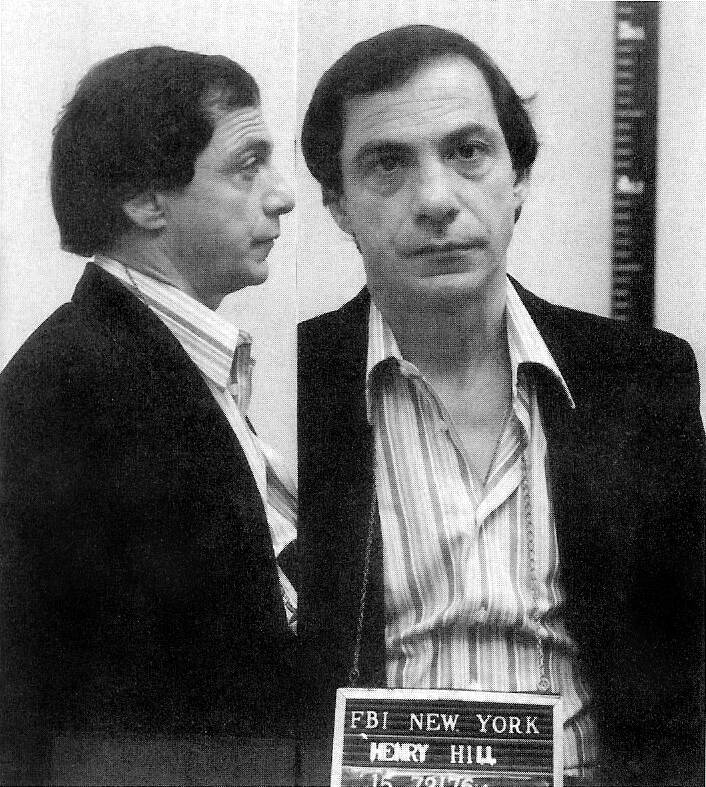
Modern gangster biopics are characterized by a commitment to period detail and, frequently, the direct involvement of the subjects or their associates. For instance, the 1990 film Goodfellas, which chronicles the life of mob associate Henry Hill, was based on the book Wiseguy. The film is widely cited by scholars for its authentic depiction of the Lucchese crime family’s inner workings, as detailed in Library of Congress records regarding the transition from traditional Mafia structures to modern drug trafficking operations.
Key Elements of Top-Ranked Productions
When critics and audiences rank the best gangster biopics, they generally evaluate the films based on three criteria: historical fidelity, performance quality, and the socio-economic context of the era portrayed. Films like American Gangster (2007) are frequently highlighted for their exploration of the 1970s heroin trade in Harlem. According to the National Drug Intelligence Center, the era saw a massive influx of heroin into major U.S. cities, a historical reality that the film uses to frame the rise of Frank Lucas.
Another common metric for excellence is the portrayal of the legal and law enforcement response to organized crime. The best biopics, such as Public Enemies (2009), which details the final years of John Dillinger, provide insight into the infancy of the Federal Bureau of Investigation. The Federal Bureau of Investigation’s official archive confirms that the pursuit of Dillinger was a turning point for the agency, leading to expanded federal jurisdiction in interstate crime cases. By focusing on these institutional shifts, the films offer more than just a portrait of the criminal; they depict the changing landscape of American law and order.
Comparative Analysis of Narrative Styles
There is a distinct contrast between biopics that focus on the “rise to power” and those that focus on the “inevitable collapse.” The former, such as Scarface (1983)—which, while loosely based on the 1932 film and Al Capone’s general trajectory, serves as a quintessential crime biopic in spirit—emphasizes the excess of the drug trade. Conversely, films like Donnie Brasco (1997) focus on the mundane, often tragic reality of low-level mob life. According to Britannica, the “rise and fall” structure remains the most popular narrative device because it mirrors the classical tragedy format, allowing audiences to witness the moral erosion of the protagonist.
The following table outlines the foundational elements of several highly regarded films in the genre:
| Film Title | Primary Subject | Historical Focus |
|---|---|---|
| Goodfellas | Henry Hill | Luchese Crime Family (1955–1980) |
| American Gangster | Frank Lucas | Harlem Heroin Trade (Late 1960s–1970s) |
| Public Enemies | John Dillinger | Great Depression Era Crime Wave |
| The Irishman | Frank Sheeran | Labor Unions and Mafia Ties |
What Happens Next for the Genre
The future of the gangster biopic appears to be moving toward digital archival integration and more diverse representations of global crime syndicates. As studios gain access to digitized court transcripts and declassified government files, the level of detail regarding the financial mechanics of organized crime is expected to increase. The next significant development in the genre will likely involve the exploration of cyber-crime and modern transnational criminal organizations, as these entities represent the contemporary evolution of the traditional gangster structure.
For those interested in the historical accuracy of these films, the National Archives and Records Administration provides access to extensive collections regarding the history of organized crime in the United States. These records offer a stark contrast to the dramatized versions seen on screen, providing a necessary check on the romanticization of criminal life. As the industry continues to produce these films, the tension between entertainment value and factual representation will remain the primary driver of critical discourse.
If you have a favorite film within the genre or wish to discuss the historical accuracy of these portrayals, please share your thoughts in the comments section below. Stay tuned to World Today Journal for further updates on upcoming releases and retrospective reviews of crime cinema.
Worth a look