
In the fast-paced world of digital content creation, lighting is often the deciding factor between a polished, professional video and one that gets scrolled past in seconds. As mobile videography continues to dominate platforms like TikTok and YouTube, the demand for portable, efficient illumination solutions has surged. Among the most popular tools for creators on the go is the compact LED ring light designed specifically for mobile devices and tablets.
For content creators, achieving consistent lighting—regardless of environment—is a fundamental challenge. Whether you are filming a quick product review, conducting a mobile interview, or simply looking to improve the clarity of your video calls, a portable LED ring light provides an immediate, low-cost upgrade to your setup. These devices, which typically clip directly onto your hardware, offer a soft, diffused light that minimizes shadows and enhances skin tones, bridging the gap between amateur footage and high-quality production.
According to recent industry trends in market analysis for photography and videography accessories, the proliferation of personal broadcasting has shifted consumer expectations toward hardware that is both lightweight and highly integrated. These compact lights, often powered by rechargeable internal batteries, are designed to solve the “lighting deficit” inherent in mobile phone sensors, which often struggle in low-light conditions.
Understanding the Technology Behind Portable Ring Lights
At their core, these portable LED accessories utilize a circular array of light-emitting diodes (LEDs) to project light evenly across the subject’s face. Unlike traditional flash photography, which can create harsh highlights and red-eye, a ring light creates a “halo” effect in the eyes—often referred to as a “catchlight”—which adds a sense of depth and vibrancy to the subject. From a technical standpoint, the efficacy of these devices depends on the Color Rendering Index (CRI), a measure of how accurately a light source reveals the true colors of objects. High-quality portable LEDs typically aim for a CRI of 80 or higher, ensuring that skin tones and colors remain accurate during recording.


When selecting a portable light, users should prioritize devices that offer adjustable color temperatures. Most modern clip-on models allow for toggling between cool daylight (approx. 5600K) and warmer, incandescent-style lighting (approx. 3200K). This flexibility is crucial because it allows the creator to match the ambient lighting of their environment, preventing the “clashing” color temperatures that often plague amateur mobile videos. The brightness levels should be dimmable, allowing for subtle adjustments depending on the proximity of the light to the subject.
The integration of these devices into a mobile workflow is straightforward. Most units feature a spring-loaded clip with protective silicone pads to prevent scratching the device’s screen or casing. This design choice is vital for users who frequently switch between their primary smartphone and a secondary tablet for editing or live-streaming.
Optimizing Your Setup for Social Media Platforms
Effective lighting is not just about brightness; it is about placement and consistency. For TikTok and YouTube creators, the goal is to eliminate unwanted shadows, particularly under the eyes and nose. When using a clip-on ring light, the best results are achieved by keeping the device at eye level. Placing the light too high can create an unnatural “glowing” effect on the forehead, while placing it too low can result in unflattering under-lighting that emphasizes skin texture.
Beyond the hardware, creators should consider the software side of their mobile devices. Many modern smartphones include built-in exposure compensation tools that, when paired with a constant light source like an LED ring, allow for a more controlled image. By locking the exposure on your phone before you hit record, you ensure that the camera sensor does not “hunt” for light, which often results in the flickering or grainy footage seen in low-quality uploads. For a deeper look at how to master mobile camera settings, you can explore our resources on mastering mobile photography techniques.
Key Considerations for Longevity and Performance
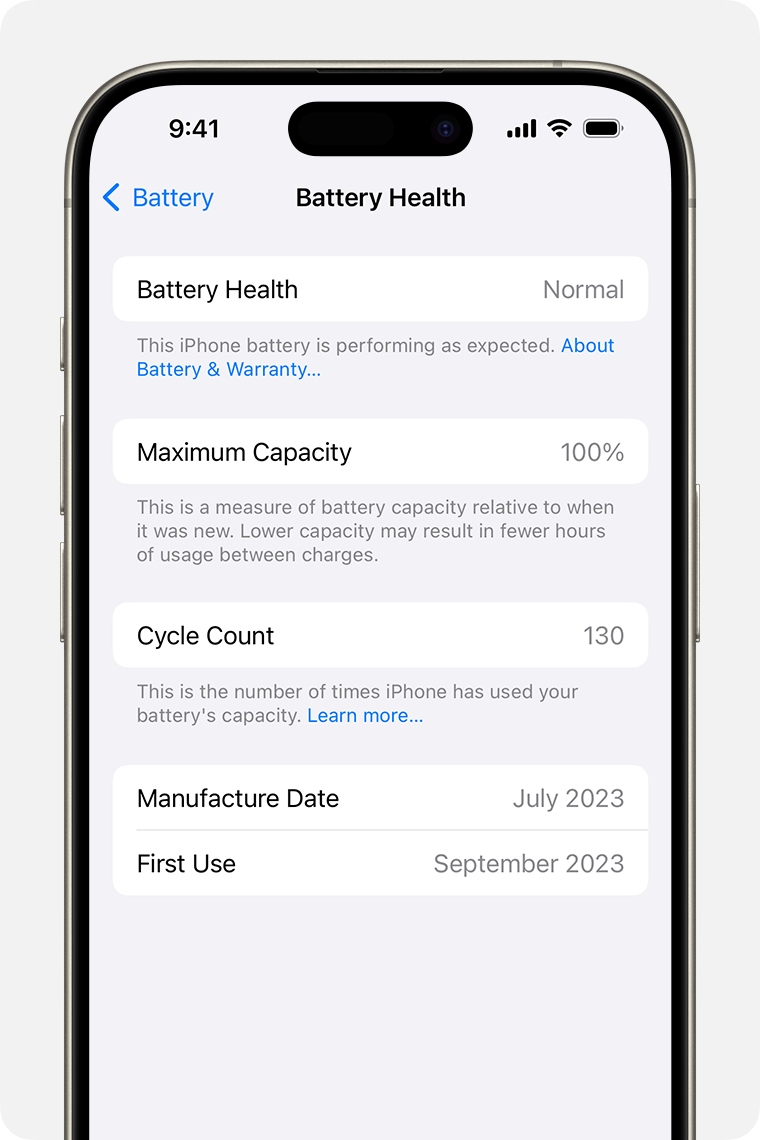
As with any consumer electronics, battery management is a critical factor. Most of these compact units charge via USB, typically using a micro-USB or USB-C interface. It is advisable to fully charge the device before a long recording session, as the high-intensity settings required for darker environments will drain the battery significantly faster than the lower settings. If you are planning a long-form YouTube stream, consider using a power bank or a dedicated USB port to keep the light powered indefinitely.
Durability is another aspect to monitor. Because these devices are frequently attached and detached, the spring mechanism in the clip is the most common point of failure. When shopping for a model, check for reviews that specifically mention the tension of the clip and the quality of the plastic housing. A well-built unit should feel sturdy and provide enough resistance to stay firmly in place during movement, yet be flexible enough to avoid damaging the device frame.
Summary of Best Practices
- Consistency: Always use the same color temperature setting across your videos to maintain a cohesive brand aesthetic.
- Proximity: Keep the light close to the subject for softer, more flattering shadows, but be mindful of glare on glasses.
- Battery Health: Charge your device fully before sessions, and avoid leaving it plugged in unnecessarily once a full charge is reached to preserve battery longevity.
- Versatility: Test the clip on various devices—phones, tablets, and even thin laptop screens—to ensure it fits your entire production ecosystem.
While these LED accessories are excellent entry-level tools, they are part of a broader ecosystem of mobile production gear. As you scale your content, you may eventually look toward external microphones or stabilizers, which, alongside professional-grade lighting, form the foundation of high-quality mobile journalism and content creation. For the latest developments in mobile hardware, keep an eye on our breaking tech news section for updates on upcoming industry standards.
The landscape of mobile content creation is evolving rapidly. Whether you are a hobbyist or a professional, understanding the tools at your disposal is the first step toward creating more engaging content. We will continue to monitor the market for new, innovative lighting solutions as manufacturers integrate smarter sensors and more efficient power management. If you have questions about specific gear or need advice on building your home studio, join the discussion in the comments section below.
Keep reading