Gamers looking to expand their digital libraries can currently take advantage of several limited-time promotional offers on the Steam platform, allowing for the permanent addition of titles to user accounts at no cost. These promotions, which vary by developer and publisher, are periodically offered as part of marketing campaigns to increase player bases or commemorate specific milestones. According to official store pages, users who claim these titles during the active promotion window retain permanent access to the software, provided the license is successfully added to their Steam library before the offer expires.
The current landscape of digital distribution remains competitive, with storefronts like Steam and GOG utilizing periodic “free-to-keep” events to maintain platform engagement. While some titles are permanently free-to-play, the “limited-time” category requires immediate action from the user. As reported by the Steam News Hub, these events are often time-sensitive, and failure to claim the license before the specified deadline results in the return of the title to its standard retail price.
Understanding How Limited-Time Promotions Work
When a developer marks a game as “free to keep,” they are essentially providing a zero-cost license for the base version of the software. Once a user clicks the “Add to Library” button on the Steam Store, the game is tied to their account indefinitely. This is distinct from “Free Weekend” events, where software is only accessible for a short duration before access is revoked. The primary utility for developers in these campaigns is the rapid accumulation of user reviews and an increase in the game’s visibility within the Steam algorithm, which often correlates with future sales of downloadable content (DLC) or sequels.
It is important for users to distinguish between “Free to Play” (F2P) titles, which are always free, and these limited-time promotional giveaways. F2P titles, such as Dota 2 or Counter-Strike 2, are listed as free by default. In contrast, promotional titles are typically premium games that have been discounted to zero for a specific period. Users should always verify the “Add to Library” status on the individual game page to confirm that the license has been successfully applied to their account.
Navigating Digital Storefronts and Deadlines
Tracking these offers requires consistent monitoring of developer announcements and storefront updates. Platforms like GOG often mirror these strategies, sometimes offering DRM-free versions of the same titles found on Steam. Because these promotions are often global, time zones can affect when an offer expires. For example, a deadline set for “June 15” generally refers to midnight UTC, meaning users in different regions should account for the offset to ensure they do not miss the window.

The technical requirement for these games is straightforward: a registered Steam account and the Steam client installed on a compatible operating system (typically Windows, though macOS and Linux support varies by title). Once claimed, the game does not need to be downloaded immediately; it simply needs to be linked to the user’s account. This allows users to build a backlog of content that can be installed and played at their convenience.
Why Developers Offer Permanent Free Licenses
The decision to offer a game for free permanently is a strategic move, often preceding the launch of a new entry in a franchise. This practice creates a “gateway” effect, where players who enjoy the first installment are statistically more likely to purchase a sequel at full price. According to industry analysis from GamesIndustry.biz, this strategy has become a standard tool for independent developers seeking to compete with larger studios for consumer attention in a crowded marketplace.
Beyond marketing, these giveaways serve as a stress test for server infrastructure and multiplayer matchmaking systems. By opening the gates to a large influx of new players, developers can identify and patch technical bottlenecks that might otherwise go unnoticed. For the consumer, this translates to a lower barrier to entry and the opportunity to experience high-quality titles that might have been overlooked during their initial commercial release.
Checking for Updates and Official Sources
To ensure accuracy, users should always verify promotional details through the official Steam store page or the developer’s verified social media channels. Third-party aggregators may occasionally report outdated information or misinterpret the nature of a sale. The most reliable way to stay informed is to follow the “News” section of the Steam client or subscribe to the “Steam Announcements” RSS feed.
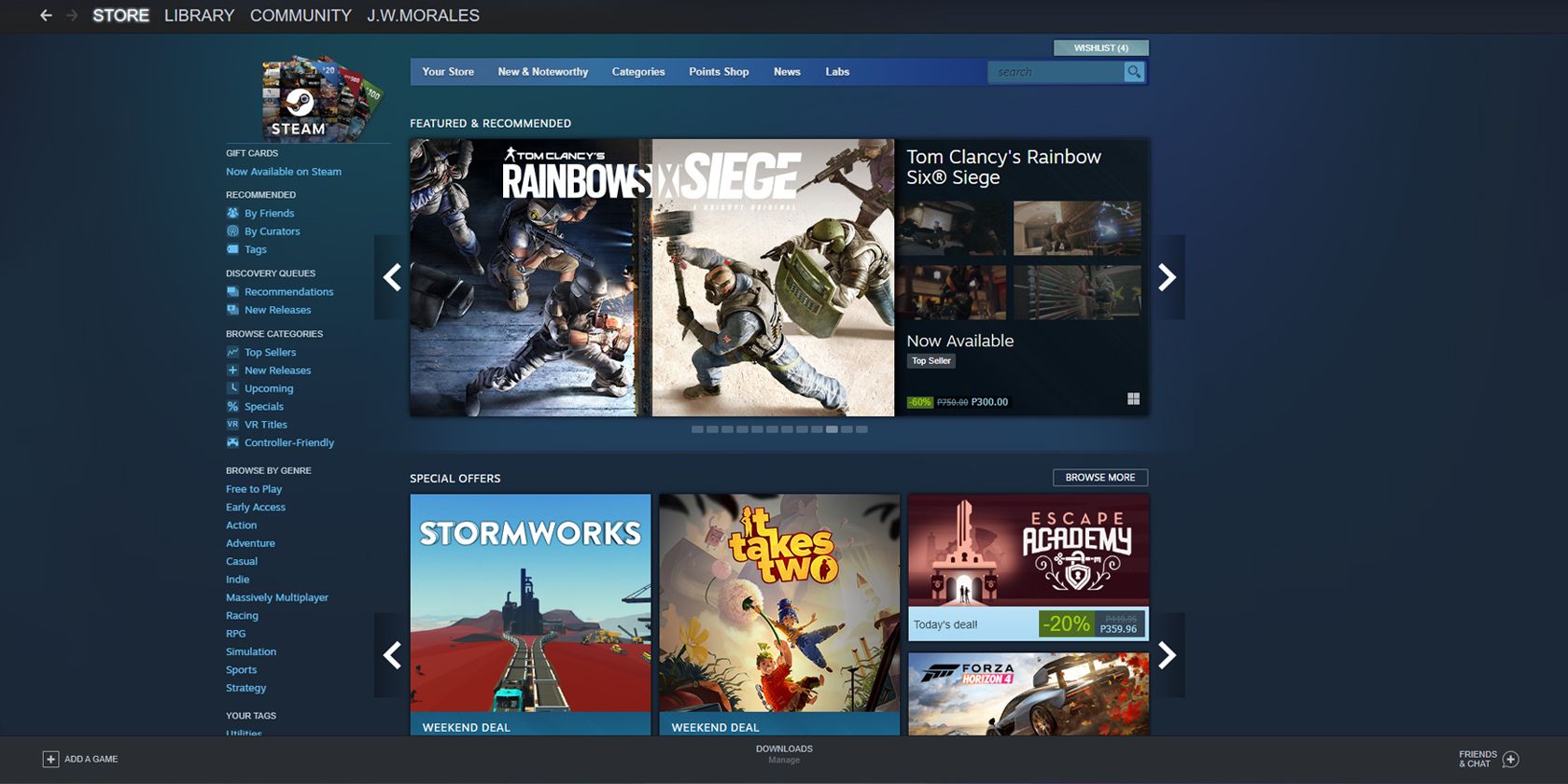
As of mid-2024, no major platform-wide mandates require developers to offer these free periods; they remain entirely at the discretion of the intellectual property holders. Players are encouraged to check the store regularly, as some flash sales may appear and disappear within a 24-hour window. If you have questions about a specific game’s promotion, the community forums on the game’s official Steam hub are often the fastest place to find confirmation from other players and developers. Please share your findings or any questions regarding active promotions in the comments section below.