
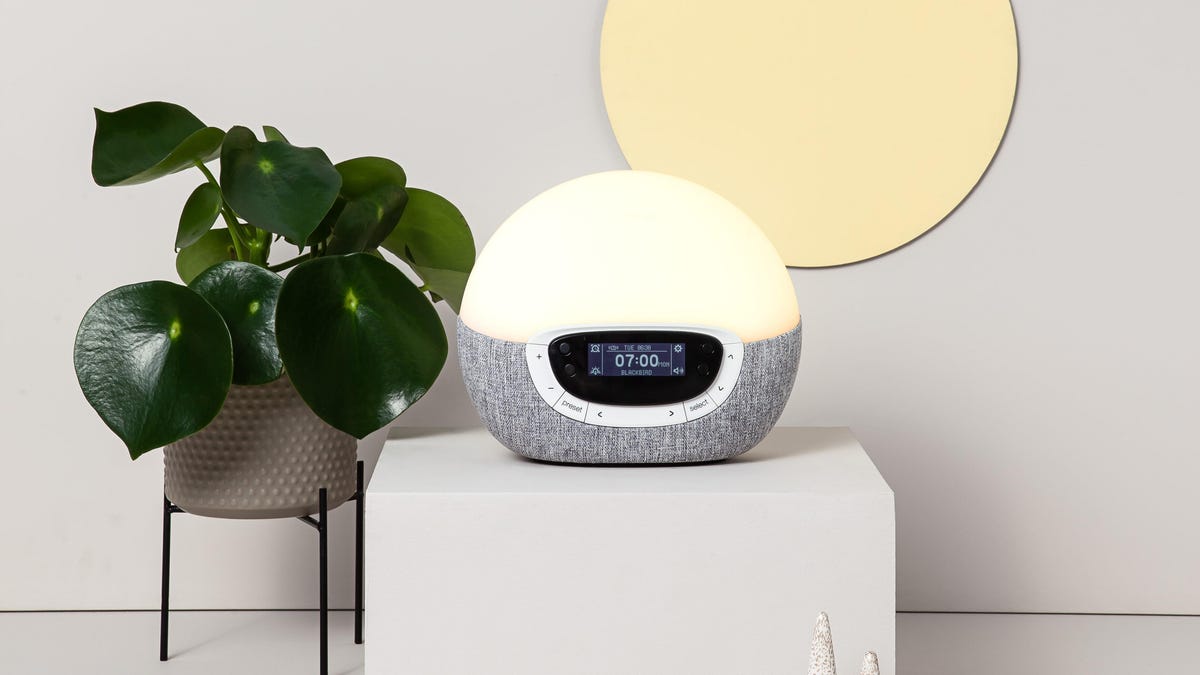
Wake Up to Wellness: A Guide to Sunrise Alarm Clocks
Are you tired of jarring alarm sounds that leave you feeling groggy and stressed? Perhaps you’re seeking a more natural and gentle way to start your day. A sunrise alarm clock might be the perfect solution. These innovative devices are gaining popularity, and for good reason – thay offer a refreshing option to traditional alarms, promoting a more peaceful and energized awakening.
Let’s explore everything you need to know about sunrise alarm clocks, from how they work to choosing the best one for your needs.
How Do Sunrise Alarm Clocks Work?
Sunrise alarm clocks cleverly mimic the natural process of dawn. Instead of a sudden, disruptive noise, these clocks gradually increase light intensity over a set period - typically 15 to 60 minutes – before your desired wake-up time.This gradual illumination signals your brain to reduce melatonin (the sleep hormone) and increase cortisol (the hormone that promotes alertness).
Consequently,you wake up feeling more refreshed,less startled,and better prepared to face the day. It’s a far cry from the shock of a traditional alarm!
Why Choose a Sunrise Alarm Clock?
There are several compelling reasons to consider switching to a sunrise alarm clock.
* Gentle Awakening: They offer a much more natural and less stressful way to wake up.
* Improved Mood: A gradual sunrise can positively impact your mood and energy levels.
* Better Sleep Regulation: Consistent use can help regulate your body’s natural sleep-wake cycle.
* Reduced Sleep Inertia: That groggy feeling you get after waking up? Sunrise alarms can minimize it.
* Distraction-Free: Unlike your phone, a dedicated alarm clock won’t tempt you with late-night scrolling.
Key Features to Look For
Not all sunrise alarm clocks are created equal. When choosing one, consider these significant features:
* Customization Options: You’ll want a clock that allows you to adjust the sunrise duration (how long the light gradually increases) and the maximum brightness.
* Sound Options: Many models offer a selection of natural sounds (birds chirping, ocean waves, gentle melodies) or even the option to use FM radio. Consider what sounds you find soothing.
* App Integration: Some clocks connect to your smartphone via Bluetooth, allowing you to control settings, create custom schedules, and even track your sleep patterns.
* Snooze Function: Let’s be realistic – sometiems you need a few extra minutes!
* Brightness Levels: Ensure the clock offers a range of brightness settings,including a dim nightlight function.
* Ease of Use: A complex interface can be frustrating. Look for a clock with intuitive controls and a clear display.
* Light Color: While most simulate a warm sunrise, some offer adjustable color temperatures.
Understanding Light and Your Sleep
The science behind sunrise alarm clocks is rooted in our body’s natural circadian rhythm.Light is the primary cue that regulates this internal clock.
When your eyes detect light, it sends a signal to your brain to suppress melatonin production and increase alertness. By gradually introducing light before you wake up, a sunrise alarm clock prepares your body for wakefulness in a way that mimics a natural sunrise. This is particularly beneficial during the darker winter months or if you wake up before the sun rises.
Are Sunrise Alarm Clocks Bright Enough?
Generally, sunrise alarm clocks aren’t designed to be intensely bright. Thier purpose is to simulate dawn, which is a gradual increase in light, not a sudden burst. However, most models allow you to adjust the brightness to your preference.
Furthermore,the slow increase in light output gives your eyes time to adjust,preventing that jarring sensation you might experience with a bright overhead light.
Beyond the Alarm: Additional Benefits
Many sunrise alarm clocks offer features beyond just waking you up gently.
* Sunset Simulation: Some models can also simulate a sunset,





