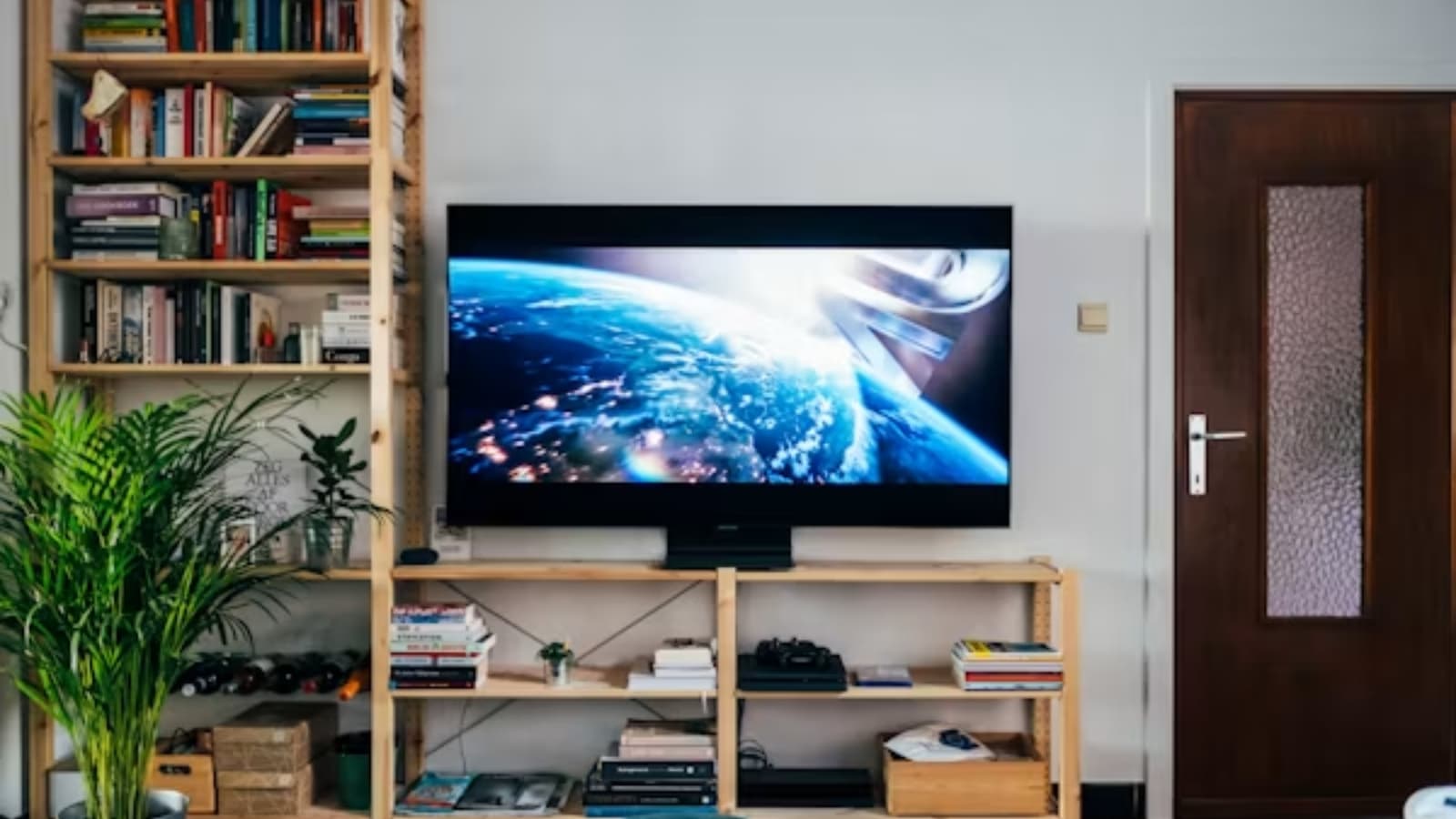
Consumers looking to reduce their monthly entertainment expenses as of 2026 are increasingly turning toward alternative hardware solutions to bypass traditional, high-cost cable television subscriptions. The shift is driven by a combination of rising subscription fees for streaming services and the availability of versatile hardware, such as Android-based TV boxes, which aggregate content from various digital platforms into a single interface.
According to data from the Office of Communications (Ofcom), the decline in traditional broadcast television viewership is accelerating as households prioritize flexibility and cost-efficiency. While these devices offer a path to lower monthly bills, industry experts emphasize that the long-term utility of such hardware often depends on the user’s ability to manage individual streaming memberships rather than reliance on bundled packages.
The Shift Toward Hardware-Based Entertainment
The core motivation for many households is the “subscription fatigue” caused by the fragmentation of the media market. As major providers continue to increase prices—some by as much as 10% to 15% annually according to Reuters reports on industry pricing trends—consumers are seeking ways to consolidate their viewing habits. A TV box acts as a central hub, allowing users to switch between free, ad-supported streaming services (FAST channels) and premium subscriptions without the need for a proprietary set-top box from a telecommunications provider.

By moving away from traditional cable contracts, which often include mandatory hardware rental fees, users can potentially save hundreds of dollars annually. However, the Federal Trade Commission (FTC) notes that consumers should remain vigilant regarding the terms of service for any third-party device, as data privacy and device security remain critical factors in the digital home ecosystem.
Evaluating Your Entertainment Needs
Before investing in new hardware to lower entertainment costs, it is essential to assess current usage patterns. Many modern smart TVs already incorporate the functionality of external boxes through built-in operating systems like Google TV, Roku, or Tizen. Adding an external box is typically most beneficial for users whose existing television hardware has become outdated or slow.

When selecting a device, consider the following technical factors:
- Operating System Compatibility: Ensure the device supports the specific apps you use most frequently.
- Hardware Specifications: Look for devices with at least 2GB of RAM to ensure smooth navigation through 4K streaming interfaces.
- Update Frequency: Prioritize manufacturers that provide consistent security patches, as identified by the Cybersecurity and Infrastructure Security Agency (CISA).
Understanding the Financial Impact
The financial benefit of switching away from traditional cable is often realized through the elimination of “hidden” fees. Traditional contracts frequently bundle local broadcast fees, sports surcharges, and equipment rental costs that can inflate a monthly bill by 30% or more, as tracked by the Federal Communications Commission (FCC). Transitioning to a model where the user owns the hardware and subscribes only to desired services allows for a “pay-for-what-you-watch” strategy.
However, users should be aware of the “hidden” cost of time. Managing multiple individual streaming services requires more active oversight than a single cable package. Additionally, the proliferation of ads in lower-tier streaming plans means that the cost-saving benefit may come at the expense of an interrupted viewing experience.
Managing Future Entertainment Costs
The entertainment landscape is expected to continue evolving throughout 2026, with more providers likely to introduce hybrid models that combine live content with on-demand libraries. For the latest updates on digital media regulation and consumer rights, users can refer to official bulletins from the FCC’s consumer resource center.

As the market remains in flux, the most effective strategy for consumers is to conduct an annual audit of their active subscriptions. Canceling unused services and utilizing free, high-quality digital archives can further reduce the total cost of ownership for home entertainment systems. We encourage our readers to share their own experiences with hardware transitions and cost-saving methods in the comments section below.
Worth a look