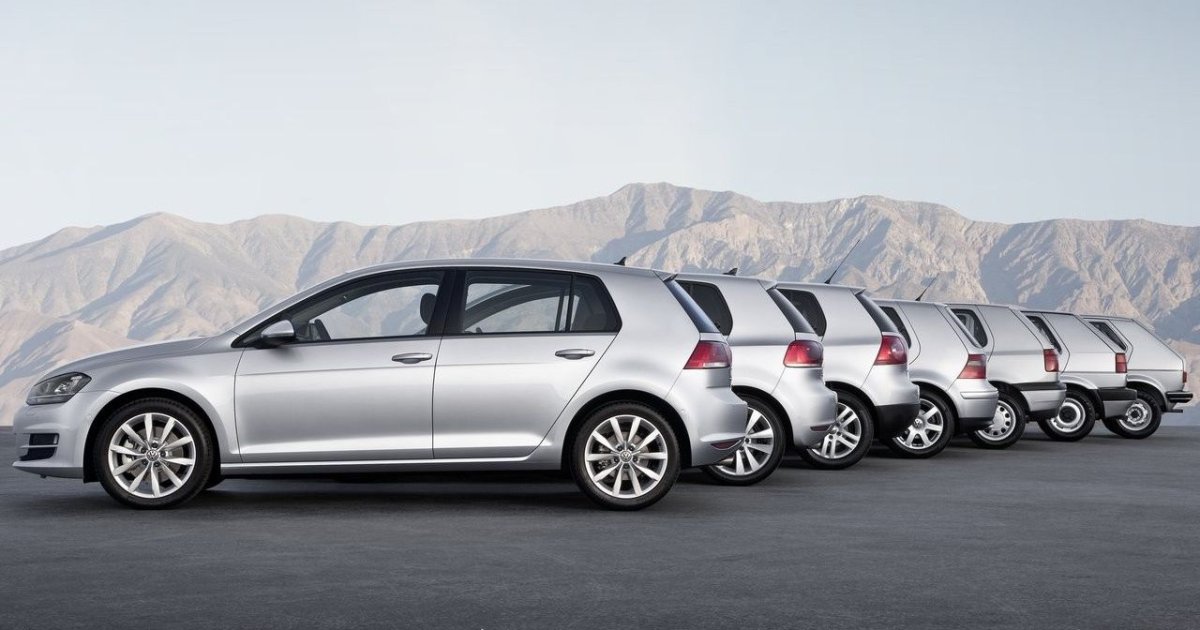
For over half a century, the Volkswagen Golf has been a mainstay of the automotive world, a car synonymous with practicality, reliability, and accessible engineering. With more than 35 million units sold across eight generations since its debut in 1974, the Golf’s enduring popularity is undeniable. However, when considering a used model, the landscape becomes more nuanced. Certain versions have garnered reputations – both positive and negative – based on engine reliability, build quality, and electronic systems. Determining which generation represents the most sensible purchase on the used car market requires a careful examination of each iteration’s strengths and weaknesses.
The Golf’s story is one of continuous evolution, a response to changing consumer needs and technological advancements. From its origins as a replacement for the iconic, but aging, Volkswagen Beetle, the Golf pioneered front-wheel drive and a more modern, space-efficient design for the German automaker. This shift marked a pivotal moment for Volkswagen, and the Golf quickly established itself as a leader in the compact car segment. Today, navigating the used Golf market can be a complex undertaking, demanding informed decision-making to avoid potential pitfalls.
The First Generation (Mk1: 1974-1983) – A Pioneering Classic
The original Volkswagen Golf, known internally as the Type 17, fundamentally changed Volkswagen’s approach to car manufacturing. As detailed by Volkswagen’s own newsroom, the Mk1 signaled a move away from the rear-mounted, air-cooled engine and rear-wheel drive configuration of the Beetle to a front-engine, front-wheel drive layout with a water-cooled engine. This transition was revolutionary for the company and set the stage for the Golf’s long-term success. Production began in May 1974, and the car was quickly lauded for its practicality and driving dynamics.
Today, the Mk1 Golf is highly sought after by enthusiasts and collectors. Its simple design, coupled with its relatively lightweight construction, makes it a fun and engaging car to drive. However, potential buyers should be aware of the challenges associated with owning a classic vehicle. Parts availability can be limited, and rust is a common issue, particularly in regions with harsh winters. Engine options ranged from 1.1L to 1.6L petrol engines, and later, diesel variants were introduced. The GTI version, launched in 1976, offered a significant performance upgrade and remains a particularly desirable model.
The Second Generation (Mk2: 1983-1992) – Refining the Formula
The Mk2 Golf built upon the success of its predecessor, offering increased refinement and improved build quality. While retaining the fundamental layout of the Mk1, the Mk2 featured a more aerodynamic design and a larger interior. This generation also saw the introduction of new technologies, such as fuel injection and catalytic converters, reflecting growing environmental concerns. According to Wikipedia, the Mk2 continued to be offered in a variety of body styles, including hatchback, convertible, and estate versions. The Mk2 Golf also benefited from a wider range of engine options, including more powerful GTI variants.
On the used market, the Mk2 Golf represents a good balance between classic appeal and modern usability. Parts availability is generally better than for the Mk1, and the car is generally more reliable. However, rust remains a concern, and potential buyers should carefully inspect the bodywork for signs of corrosion. The Mk2 GTI, particularly the 16V models, are highly collectible and command premium prices.
The Third Generation (Mk3: 1991-1997) – A Step Towards Modernity
The Mk3 Golf marked a significant departure from its predecessors, featuring a more rounded design and a more spacious interior. This generation introduced a new platform and a range of advanced features, including anti-lock brakes (ABS) and airbags. The Mk3 also saw the introduction of the TDI (Turbocharged Direct Injection) diesel engine, which offered improved fuel economy and performance. As noted in the Wikipedia entry for the Volkswagen Golf, the Mk3 Golf was a commercial success, selling millions of units worldwide.
The Mk3 Golf is generally considered a reliable and practical used car. However, some models have been known to suffer from electrical issues and problems with the central locking system. The TDI engines, while fuel-efficient, can be prone to injector failures if not properly maintained. The Mk3 GTI, with its 2.8L VR6 engine, is a particularly popular choice among enthusiasts, but it can be more expensive to maintain.
The Fourth Generation (Mk4: 1997-2003) – Solid and Refined
The Mk4 Golf represented a further refinement of the Golf formula, offering a more sophisticated interior and improved ride quality. This generation introduced fully galvanized bodywork, significantly improving corrosion resistance. The Mk4 also featured a range of advanced safety features, including electronic stability control (ESC). The Mk4 GTI, with its turbocharged 1.8L engine, remains a popular choice among performance enthusiasts.
The Mk4 Golf is widely regarded as one of the most reliable and well-built Golfs ever produced. The fully galvanized bodywork provides excellent protection against rust, and the car is generally known for its durability. However, some models have been known to suffer from issues with the instrument cluster and the air conditioning system. The Mk4 TDI, with its robust diesel engine, is a particularly popular choice for those seeking fuel efficiency and reliability.
The Fifth, Sixth, Seventh and Eighth Generations (Mk5-Mk8: 2003-Present) – Continued Evolution and Digitalization
The subsequent generations – Mk5 (2003-2009), Mk6 (2009-2013), Mk7 (2013-2020), and Mk8 (2020-present) – have continued to evolve the Golf, incorporating new technologies and design features. The Mk5 brought a renewed focus on driving dynamics and build quality, while the Mk6 offered further refinements and improved fuel efficiency. The Mk7, winning the World Car of the Year award in 2013, introduced a new modular platform and a range of advanced driver-assistance systems. The Mk8, the current generation, embraces full digitalization with a touchscreen-centric interior and advanced connectivity features.
When considering these later generations on the used market, it’s crucial to be aware of potential issues related to complex electronic systems. The Mk8, in particular, has faced criticism for its reliance on touchscreen controls, which some drivers locate distracting. Earlier models in these generations (Mk5 and Mk6) generally offer a good balance of reliability and modern features, while the Mk7 represents a significant step forward in terms of technology and refinement. However, as with any used car, a thorough inspection and a detailed service history are essential.
the “best” Volkswagen Golf to buy on the used market depends on individual needs and priorities. For those seeking a classic and engaging driving experience, the Mk1 or Mk2 Golf may be appealing. For those prioritizing reliability and practicality, the Mk4 Golf is an excellent choice. And for those wanting a more modern and technologically advanced car, the Mk5, Mk6, or Mk7 Golf represent compelling options. Careful research, a thorough inspection, and a well-maintained service history are key to making a successful purchase.
As Volkswagen continues to innovate with its iconic Golf model, the used car market offers a diverse range of options for enthusiasts and practical drivers alike. The next step in the Golf’s evolution will be closely watched, as the automotive industry continues to transition towards electric mobility.
What are your experiences with older Volkswagen Golf models? Share your thoughts and insights in the comments below.