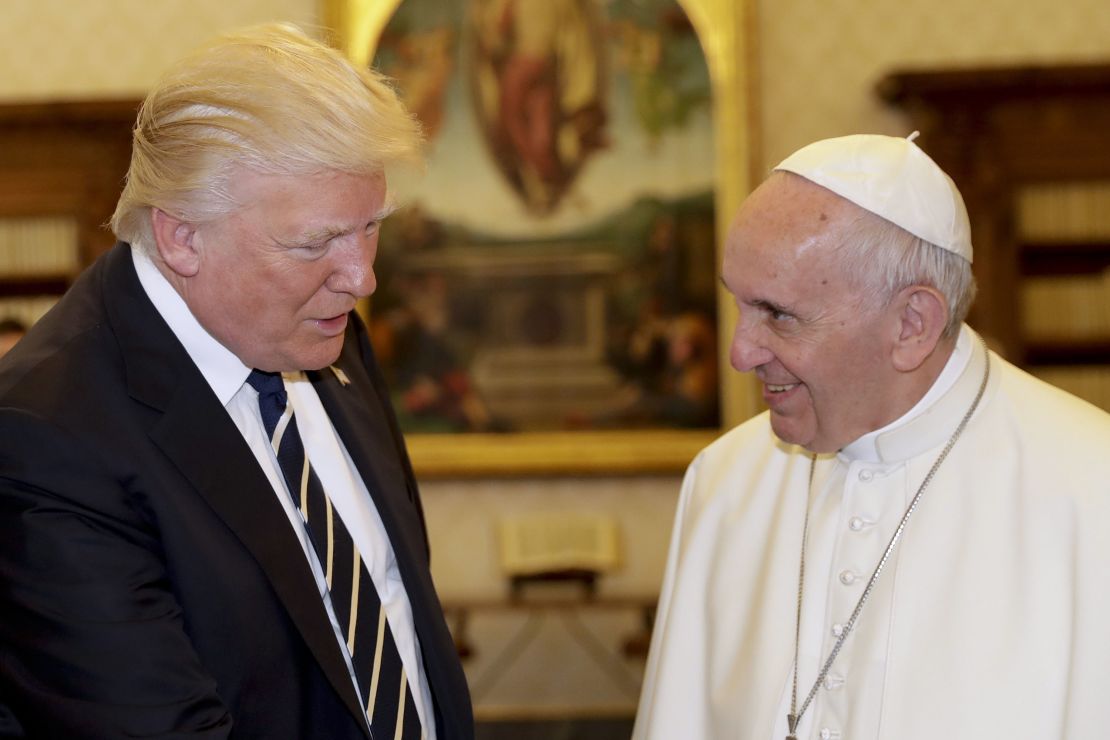
Brian Burch, the president of the advocacy group CatholicVote, currently navigates a complex intersection of American politics and religious leadership as he manages the organization’s strategic alignment. While Burch maintains a prominent role in influencing Catholic voters in the United States, his public positioning reflects a clear prioritization of domestic political objectives—specifically those championed by President-elect Donald Trump—over the institutional directives or policy preferences often associated with the Vatican and Pope Francis.
The Strategic Alignment of CatholicVote
CatholicVote, a political advocacy organization based in the United States, has consistently positioned itself as a conservative voice within the American Catholic landscape. Under the leadership of Brian Burch, the organization has focused its efforts on mobilizing voters around specific cultural and legislative priorities. According to the organization’s official mission statements, these priorities include the protection of religious liberty, the restriction of abortion access, and the promotion of judicial appointments that align with conservative legal philosophy, as documented in their organizational filings and public platform.
The relationship between CatholicVote and the broader American political spectrum has become increasingly defined by its support for Donald Trump. During the 2024 election cycle, the group invested significant resources into voter outreach and advertising campaigns designed to secure electoral support for the Republican ticket. This strategy reflects a broader trend among certain conservative religious organizations to prioritize domestic policy outcomes—such as the overturning of precedents like Roe v. Wade—which they view as essential to their moral mission, regardless of the tension this may create with international Church leadership.
Divergence from Vatican Policy
The tension between the priorities of American conservative Catholic groups and the Vatican is well-documented. Pope Francis has frequently emphasized issues such as environmental stewardship, the rights of migrants and refugees, and the mitigation of economic inequality. These positions often conflict with the political platforms supported by organizations like CatholicVote, which prioritize different cultural and economic policies.
Observers of international relations and religious politics have noted that the divergence is not merely a matter of policy disagreement but a fundamental difference in organizational focus. While the Holy See operates as a global entity concerned with universal Church doctrine and international diplomacy, Brian Burch and CatholicVote operate within a strictly American framework. For Burch, the immediate political landscape in Washington—where legislative and judicial power can directly impact the lives of American citizens—takes precedence over the moral exhortations issued from Rome. This distinction is central to understanding how the group maintains its influence in an increasingly polarized U.S. political environment, as analyzed in reports by Reuters regarding the Catholic voting bloc in the 2024 election.
Defining the Role of Religious Advocacy in Politics
The influence of Brian Burch and CatholicVote represents a significant shift in how religious organizations participate in the U.S. political system. Rather than acting as a traditional ecclesiastical body, CatholicVote functions as a political action committee (PAC) and advocacy group. This allows for a more aggressive, partisan approach to electioneering, which differentiates the group from the United States Conference of Catholic Bishops (USCCB), which generally maintains a more cautious, non-partisan stance in its public communications.
The efficacy of this approach is measured by the group’s ability to turn out its target demographic. According to data from the Pew Research Center, Catholic voters in the United States remain a critical and often divided constituency. Organizations like CatholicVote aim to bridge this divide by framing political participation as a moral imperative. By aligning closely with the Trump administration’s agenda, Burch ensures that his organization remains a central player in the ongoing debates regarding the role of religion in public life.
Future Objectives and Political Checkpoints
Looking ahead, the focus for CatholicVote remains on the implementation of the incoming administration’s policy agenda. The group has signaled its intention to continue its advocacy for judicial appointments and legislative changes that align with its conservative principles. As the new administration takes office, the organization is expected to monitor federal agency appointments and executive orders that touch upon religious exemptions and reproductive rights.
The next confirmed checkpoint for the group’s advocacy efforts will be the legislative session beginning in early 2025, where specific bills concerning health care policy and administrative regulations are expected to be introduced. Observers anticipate that CatholicVote will mobilize its network to support these legislative efforts, further cementing its role as a key influencer in the American conservative movement. For those following the impact of religious advocacy on national policy, official updates and legislative scorecards can be tracked through the official U.S. Congress portal.
The ongoing dialogue between domestic political actors and global religious leaders will likely remain a defining feature of the American political landscape for the foreseeable future. As stakeholders continue to analyze the influence of such groups, the clarity of Brian Burch’s allegiance to his domestic agenda serves as a clear indicator of the priorities driving the current conservative movement. We encourage readers to share their perspectives in the comments section below regarding the evolving role of religious organizations in shaping national policy.