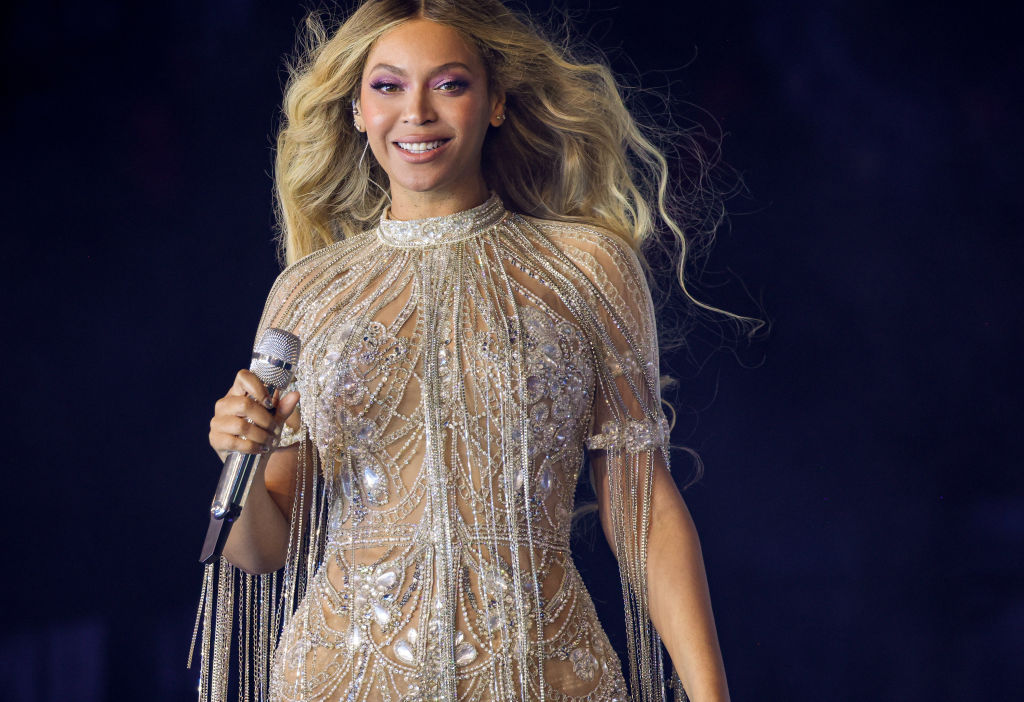
The ‘Beyhive’ Officially Takes Flight: Beyoncé Fanbase Earns Dictionary Recognition
The ever-evolving landscape of language continues to reflect the passionate communities that shape modern culture. This week, Dictionary.com formally recognized the dedicated fanbase of global superstar Beyoncé, adding the term “Beyhive” to its extensive online lexicon. The inclusion, part of a larger update encompassing over 1,500 new entries, highlights the growing influence of fandoms across entertainment, gaming, and beyond. The term, used to describe the singer’s fiercely loyal and active online community, has been circulating since the early to mid-2000s, gaining significant traction throughout the 2010s as Beyoncé’s cultural impact expanded.
The addition of “Beyhive” isn’t an isolated event. Dictionary.com’s recent update acknowledges the increasing importance of fan-created terminology in defining cultural movements and online spaces. As fandoms grow in size and influence, the unique language they develop often permeates mainstream conversation. This trend is reflected in the simultaneous addition of other fandom-specific terms like “Swiftie” for Taylor Swift fans, “Potterhead” for those devoted to the Harry Potter series, and “Trekkie” for fans of Star Trek. The dictionary’s move underscores the power of these communities to shape not only the entertainment industry but also the extremely language we use.
The recognition of the “Beyhive” comes at a particularly noteworthy moment for the artist. Beyoncé recently achieved billionaire status, a milestone confirmed by Forbes in December 2025. This accomplishment places her among a select group of entertainers who have successfully translated their artistic careers into lasting financial success. The achievement is largely attributed to the phenomenal success of her Cowboy Carter tour, a groundbreaking project that blended country and pop music, attracting massive audiences and generating significant revenue.
The Financial Impact of ‘Cowboy Carter’
The Cowboy Carter tour, launched in April 2025 in Inglewood, California, and concluding in July of the same year in Paradise, Nevada, proved to be a watershed moment in Beyoncé’s career and the music industry as a whole. According to reports from Pollstar, the tour generated over $400 million in ticket sales alone. Hot 97 reported that merchandise sales added an additional $50 million to the tour’s overall revenue. These figures solidify Cowboy Carter’s position as one of the highest-grossing concert tours in modern music history, demonstrating Beyoncé’s continued ability to captivate audiences and generate substantial economic impact.
The tour’s success wasn’t merely financial; it also represented a cultural shift. Beyoncé’s embrace of country music, a genre historically underrepresented in mainstream pop culture, opened doors for other artists and challenged traditional industry norms. The tour’s visual aesthetic and musical arrangements sparked conversations about representation, authenticity, and the evolving definition of American music. The “Beyhive” played a crucial role in amplifying these discussions, actively engaging in online debates and promoting the tour’s message of inclusivity and empowerment.
The Evolution of Fandom Language
The inclusion of “Beyhive” in Dictionary.com reflects a broader trend of recognizing the linguistic creativity of online communities. Fandoms have long developed their own unique slang, inside jokes, and terminology to express their shared passions and identities. These terms often originate on social media platforms, forums, and fan fiction websites, gradually gaining wider recognition as the fandom grows. The dictionary’s decision to incorporate these terms acknowledges their cultural significance and legitimizes the language of online communities.
The term “Beyhive” itself is a clever metaphor, referencing the collective energy and protective nature of Beyoncé’s fanbase. Like bees defending their hive, the “Beyhive” is known for its unwavering support of the artist, fiercely defending her against criticism and actively promoting her work. The term also evokes a sense of community and belonging, highlighting the strong bonds that connect fans through their shared admiration for Beyoncé.
Other examples of fandom-specific terms that have gained mainstream recognition include “Swifties” (Taylor Swift fans), “Potterheads” (Harry Potter fans), “Trekkies” (Star Trek fans), “Deadheads” (Grateful Dead fans), and “Whovians” (Doctor Who fans). These terms have become shorthand for identifying members of these communities and expressing a shared sense of identity. The increasing prevalence of these terms in everyday conversation demonstrates the growing influence of fandoms on popular culture.
The process of a fan-created term entering the dictionary is a testament to the power of collective language creation. Dictionary.com editors monitor online conversations and track emerging trends to identify new words and phrases that are gaining traction. Once a term meets certain criteria – including widespread usage, consistent meaning, and cultural relevance – It’s considered for inclusion in the dictionary. This process ensures that the dictionary remains a dynamic and accurate reflection of the ever-changing English language.
Looking Ahead: The Future of Fandom and Language
As fandoms continue to evolve and expand, it is likely that even more fan-created terms will find their way into dictionaries and mainstream conversation. The rise of social media and online communities has created unprecedented opportunities for fans to connect with each other and express their shared passions. This increased connectivity is likely to lead to the development of even more unique and creative language. The ongoing recognition of terms like “Beyhive” by institutions like Dictionary.com signals a growing acceptance of the linguistic contributions of online communities and a broader understanding of the cultural power of fandoms.
The next update from Dictionary.com, anticipated in September 2026, is expected to include further additions reflecting current cultural trends and emerging online terminology. Fans and linguists alike will be watching closely to notice which new terms gain official recognition. In the meantime, the “Beyhive” can celebrate its place in the lexicon, a testament to the enduring power of Beyoncé’s music and the unwavering dedication of her fanbase. Readers are encouraged to share their thoughts on the evolving language of fandoms in the comments below.
Related reading