
The liver, often described as the body’s primary metabolic engine, performs over 500 vital functions, from filtering toxins to regulating blood sugar and processing nutrients. For decades, medical discourse surrounding liver health has been dominated by the narrative of alcohol-related damage. However, as clinicians and researchers observe a shifting landscape in metabolic health, it has become increasingly clear that non-alcoholic factors are driving a silent, global surge in liver dysfunction. Understanding how daily habits affect liver health is no longer just a concern for those with specific medical histories; it is a critical component of modern preventative healthcare for the general population.
Recent epidemiological data suggests that metabolic dysfunction-associated steatotic liver disease (MASLD)—formerly referred to as non-alcoholic fatty liver disease—has become the most common chronic liver condition worldwide. According to the World Health Organization, the rise in non-communicable diseases is closely linked to shifts in dietary patterns, sedentary lifestyles and environmental stressors. When the liver is overwhelmed by an excess of processed sugars, refined carbohydrates, and persistent metabolic strain, it begins to store fat in its cells, a process that can lead to inflammation, scarring (fibrosis), and eventually, irreversible damage.
The Metabolic Impact of Modern Diets
The transition from whole-food diets to highly processed alternatives has fundamentally altered how our bodies process energy. One of the most significant contributors to hepatic stress is the overconsumption of fructose, particularly in the form of high-fructose corn syrup found in sodas, sweetened beverages, and processed snacks. Unlike glucose, which can be utilized by almost every cell in the body, fructose is metabolized almost exclusively in the liver. When consumed in excess, the liver converts this surplus into fat, leading to hepatic steatosis.
The National Institute of Diabetes and Digestive and Kidney Diseases (NIDDK) notes that while genetics play a role, the primary drivers of fat accumulation in the liver are obesity, insulin resistance, and type 2 diabetes. These conditions create a cycle where the liver becomes increasingly unable to manage lipid metabolism effectively. It is not merely the caloric density of food that matters, but the metabolic pathway that specific nutrients trigger. Refined carbohydrates, such as white bread, pasta, and pastries, induce rapid spikes in blood glucose, forcing the pancreas to release high levels of insulin—a hormone that, in high concentrations, promotes fat storage within the liver.
Lifestyle Factors Beyond the Plate
While diet is a cornerstone of liver health, it does not act in isolation. The modern sedentary lifestyle is a significant, yet often overlooked, contributor to liver damage. Physical activity is essential for maintaining insulin sensitivity and promoting the oxidation of fatty acids. Research published by the Centers for Disease Control and Prevention (CDC) highlights that regular aerobic exercise and muscle-strengthening activities are critical in mitigating the risks associated with metabolic syndrome, which directly impacts the liver’s ability to maintain homeostasis.
chronic sleep deprivation and high stress levels can exacerbate metabolic dysfunction. Stress triggers the release of cortisol, a hormone that, when elevated chronically, contributes to visceral fat accumulation and insulin resistance. The liver, being a central hub for hormonal regulation, is particularly susceptible to these systemic imbalances. When we ignore the fundamental needs of our biological rhythms—adequate rest, consistent movement, and nutrient-dense fuel—the liver bears the brunt of the systemic strain, often without producing noticeable symptoms until the condition has progressed to advanced stages.
Recognizing the Silent Signals
One of the most dangerous aspects of early-stage liver damage is its asymptomatic nature. Because the liver does not have pain receptors within the organ itself, damage can progress silently for years. By the time symptoms such as jaundice, abdominal swelling, or persistent fatigue appear, the liver may already be experiencing significant fibrosis. This is why medical experts emphasize the importance of metabolic screening rather than waiting for physical manifestations.
Key indicators that physicians monitor include elevated liver enzymes (ALT and AST) in routine blood panels, as well as markers of metabolic health such as HbA1c, triglycerides, and fasting insulin levels. If these markers are consistently outside of the optimal range, it serves as a clinical signal that the liver is struggling to maintain its functional duties. The American Association for the Study of Liver Diseases (AASLD) provides clinical guidance for the management of these conditions, emphasizing that early intervention through lifestyle modification remains the most effective strategy for reversing or arresting the progression of liver damage.
Practical Steps for Liver Resilience
Building liver resilience is an ongoing process of informed decision-making. The goal is to reduce the metabolic load on the organ while supporting its natural detoxification and regenerative processes. The following strategies are supported by clinical consensus as foundational elements of liver health:
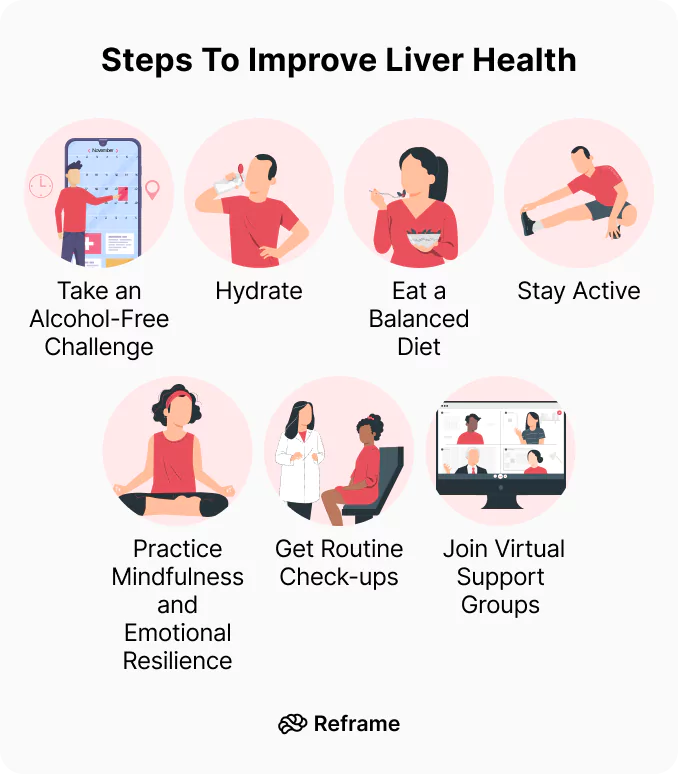
- Prioritize Whole Foods: Emphasize a diet rich in fiber, vegetables, legumes, and lean proteins, which helps stabilize blood sugar and reduces the demand for insulin.
- Limit Added Sugars: Consciously reduce intake of sugar-sweetened beverages and ultra-processed foods, which are the primary sources of exogenous fructose.
- Maintain Consistent Movement: Incorporate at least 150 minutes of moderate-intensity aerobic activity per week, as recommended by major health organizations for overall metabolic health.
- Manage Metabolic Markers: Consult with a primary care physician to monitor blood pressure, cholesterol, and blood glucose, as these are the most accurate proxies for liver stress.
- Avoid Unnecessary Supplements: Be cautious with herbal supplements and over-the-counter medications, as many are metabolized by the liver and can cause drug-induced liver injury if taken excessively or without medical supervision.
As we look toward the future of global health, the focus must shift from reactive treatment to proactive metabolic management. The liver is a remarkably resilient organ, capable of significant repair if the underlying stressors are removed. However, this recovery requires a sustained commitment to lifestyle choices that respect the complexity of our internal systems. For those concerned about their liver health, the next step is to schedule a comprehensive metabolic evaluation with a healthcare professional to establish a baseline and discuss personalized risk factors.
We invite our readers to share their thoughts on the importance of preventative metabolic care. How have you adjusted your daily habits to support your long-term health? Join the conversation in the comments section below.
Related reading