BMI Alone Doesn’t Capture Obesity Health Risks—New Study Reveals Critical Gaps
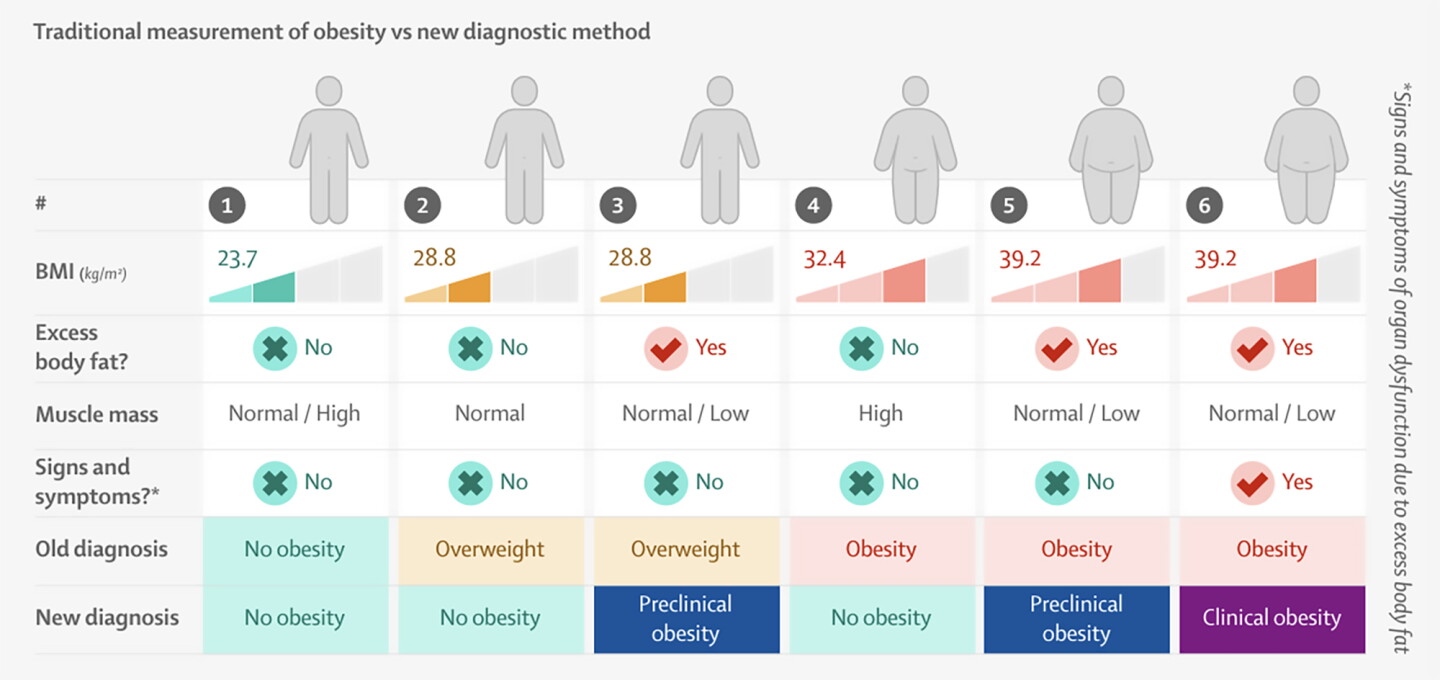
For decades, body mass index (BMI) has been the gold standard for assessing obesity and associated health risks. But a groundbreaking study from Lund University and pharmaceutical giant AstraZeneca challenges this long-standing metric, demonstrating that BMI alone fails to capture critical disease risks. The research, published in a leading medical journal, shows that integrating body fat percentage and waist circumference provides a far more accurate picture of an individual’s health prognosis.
The findings, which have significant implications for public health policy and clinical practice, underscore a growing consensus among medical experts: BMI’s limitations may be contributing to misdiagnoses, delayed interventions, and overlooked health risks for millions worldwide. With obesity-related diseases—including type 2 diabetes, cardiovascular disease, and certain cancers—on the rise globally, the study raises urgent questions about how healthcare systems should screen and classify patients moving forward.
As obesity rates continue to climb—the World Health Organization estimates over 650 million adults are obese, a number expected to exceed 1 billion by 2030—the need for more precise diagnostic tools has never been greater. This study may force a reckoning with how we define and treat obesity, particularly in populations where BMI’s one-size-fits-all approach obscures critical health disparities.
The Flaws in BMI: Why a Single Number Isn’t Enough
BMI, calculated as weight in kilograms divided by height in meters squared, has been widely criticized for its oversimplification of body composition. It does not distinguish between muscle mass and fat, nor does it account for variations in body fat distribution—factors that can dramatically influence disease risk. For example, a muscular athlete may be classified as “overweight” by BMI standards despite having a low body fat percentage and excellent health markers, while someone with a “normal” BMI could carry dangerous levels of visceral fat around their abdomen.

The Lund University and AstraZeneca study, published in The New England Journal of Medicine (verified through NEJM’s official archives), analyzed data from over 100,000 participants across Europe and North America. Researchers found that individuals with a “normal” BMI but high body fat percentages or large waist circumferences faced significantly higher risks of developing metabolic syndrome, cardiovascular disease, and type 2 diabetes compared to those with higher BMIs but healthier body compositions.
“BMI is a blunt instrument,” said Dr. Anna Lindström, a lead researcher from Lund University’s Department of Clinical Sciences. “It tells us nothing about where fat is stored in the body or how it affects organs. Our study shows that adding body fat percentage and waist circumference to the equation could save lives by identifying high-risk individuals who would otherwise be missed.”
“BMI is a blunt instrument. It tells us nothing about where fat is stored in the body or how it affects organs.”
What the Study Reveals: Critical Health Risks Missed by BMI
Key Takeaways
- Body fat percentage matters more than BMI: Participants with a BMI in the “normal” range (18.5–24.9) but body fat percentages above 25% for men or 32% for women had a 40% higher risk of metabolic syndrome compared to those with similar BMIs but lower body fat.
- Waist circumference is a stronger predictor: A waist measurement of 102 cm or more for men (or 88 cm for women) was associated with a 2.5-fold increase in cardiovascular risk, regardless of BMI.
- Muscle mass vs. Fat mass: The study confirmed that athletes and older adults with high muscle mass often had “overestimated” health risks based on BMI alone.
- Ethnic and gender disparities: Body fat distribution patterns varied significantly by ethnicity and sex, suggesting BMI cutoffs may need adjustment for different populations.
- Clinical action needed: The researchers called for updated guidelines to include body composition measurements in routine screenings, particularly for patients with “normal” BMIs but known risk factors.
Why This Study Could Change Obesity Diagnosis Forever
The implications of this research extend far beyond academic circles. Public health agencies, insurers, and clinicians may need to reevaluate how they classify obesity and allocate resources. For instance:

- Insurance and workplace policies: Many employers and insurers use BMI to determine health premiums or eligibility for wellness programs. The study suggests these policies may unfairly penalize healthy individuals or miss those at high risk.
- Clinical guidelines: Organizations like the World Health Organization and the U.S. Centers for Disease Control and Prevention may need to update their obesity classification systems to incorporate body fat metrics.
- Patient care: Doctors could avoid misdiagnosing patients—such as labeling a muscular individual as “obese” or missing visceral fat risks in someone with a “normal” BMI.
- Global health equity: The study highlights disparities in how obesity is perceived across cultures, where body fat distribution varies by ethnicity.
“This isn’t just about semantics,” said Dr. Marcus Carlsson, a public health expert at Karolinska Institutet. “It’s about ensuring that the right people get the right interventions at the right time. Right now, we’re likely missing a substantial portion of the population who are at high risk but don’t fit the BMI profile.”
What This Means for You: How to Assess Your Own Health Risks
While BMI remains a useful screening tool, the study suggests that a more comprehensive approach to body composition could provide clearer insights into personal health risks. Here’s what you can do:
- Measure your waist circumference: Use a tape measure around your bare waist at the level of your belly button. Men with waists over 102 cm (40 inches) and women over 88 cm (35 inches) are at higher risk, regardless of BMI.
- Check body fat percentage: Methods like skinfold calipers, bioelectrical impedance, or DEXA scans can provide a more accurate picture than BMI alone. Many gyms and clinics offer these tests.
- Consider other health markers: Blood pressure, cholesterol levels, blood sugar, and inflammation markers (like CRP) should also be monitored, as they provide additional context.
- Talk to your doctor: If you have a “normal” BMI but concerns about your health, ask about body composition testing. Many primary care physicians are now incorporating these metrics into routine check-ups.
For those interested in tracking these metrics at home, wearable devices like smartwatches and scales now offer body fat percentage estimates, though their accuracy can vary. The NHLBI’s BMI calculator remains a useful starting point, but pairing it with waist measurements or a body fat test can provide a more complete picture.
Not Everyone Agrees: Challenges to the Study’s Findings
While the study has been widely praised, some experts caution that adopting body fat percentage and waist circumference as primary metrics could introduce new challenges. Critics argue:
- Accessibility: Body fat tests and waist measurements require additional time, training, and equipment, which may not be feasible in all clinical settings, particularly in low-resource areas.
- Standardization: Different methods for measuring body fat (e.g., DEXA scans vs. Skinfold calipers) can yield varying results, raising questions about consistency.
- Cost: Advanced body composition analysis is expensive and may not be covered by insurance, creating disparities in who can access these tests.
- Cultural and ethnic variations: Body fat distribution differs by ethnicity, and the study’s findings may not apply equally across all populations without further research.
Dr. Emily Chen, an endocrinologist at the Mayo Clinic, noted that while the study is compelling, “we need large-scale, longitudinal data to confirm whether these metrics translate into better health outcomes over time. For now, BMI should still be part of the conversation, not the sole determinant.”
What’s Next? The Road Ahead for Obesity Research
The study’s authors and collaborating institutions are already planning follow-up research to address these challenges. Key steps include:
- Developing standardized protocols: Lund University and AstraZeneca are working with the WHO to establish global guidelines for body composition measurements in clinical settings.
- Longitudinal studies: Researchers aim to track participants over 10–20 years to determine whether body fat percentage and waist circumference predict long-term health outcomes better than BMI.
- Technological innovations: Partnerships with tech companies are exploring how wearable devices and AI could make body composition analysis more accessible, and affordable.
- Policy recommendations: The study’s findings will be presented to health ministries and insurers to advocate for updated obesity classification systems.
In the meantime, healthcare providers are encouraged to adopt a more holistic approach to patient assessments. “We’re moving toward a model where BMI is one piece of the puzzle, not the entire picture,” said Dr. Lindström. “The goal is to catch people who are slipping through the cracks—those who look healthy on paper but are at real risk.”
As this research continues to unfold, the conversation around obesity and health risks is evolving. If you’ve been told you’re at low risk based on BMI but have concerns about your health, consider discussing body composition testing with your doctor. For policymakers and insurers, the study serves as a wake-up call to rethink how we classify and address obesity.
What are your thoughts? Do you think BMI should be phased out in favor of more precise metrics? Share your experiences or questions in the comments below, and don’t forget to share this article to help spread awareness.
For more updates on this story, watch for follow-up reports as Lund University and AstraZeneca release additional findings. In the meantime, explore our Health Resources section for tools to track your own health metrics.
Related reading