Public health experts are monitoring significant shifts in respiratory virus trends after COVID-19, noting that Respiratory Syncytial Virus (RSV) and Rhinovirus have seen increased circulation following pandemic-era social distancing. This resurgence is largely attributed to an “immunity gap,” where reduced exposure to common pathogens during lockdowns resulted in lower baseline immunity among children and adults, leading to more intense seasonal outbreaks.
Medical researchers and public health agencies, including the Centers for Disease Control and Prevention (CDC), have observed that the period of heightened hygiene and social distancing during the SARS-CoV-2 pandemic temporarily suppressed the transmission of many other respiratory infections. As global restrictions eased, these “gap” populations—particularly infants and young children—faced higher levels of viral exposure than previous generations, often resulting in concentrated surges of illness.
Why are RSV and Rhinovirus spreading differently now?
The concept of “immunity debt” or an “immunity gap” explains the current volatility in respiratory virus cycles. During the peak of the COVID-19 pandemic, non-pharmaceutical interventions such as masking, handwashing, and reduced school attendance significantly lowered the transmission rates of common seasonal viruses. While these measures were effective in controlling SARS-CoV-2, they also prevented the natural, incremental exposure that typically builds community immunity to other pathogens.
According to reports discussed in medical journals like The Lancet, this lack of exposure meant that by the time social distancing ended, many children had not yet encountered common viruses like Rhinovirus or RSV. Consequently, when these viruses re-entered the community, they spread through populations with less immunological memory, leading to higher rates of infection and, in some cases, more severe clinical presentations. This shift has disrupted the traditional seasonal patterns that health systems used to predict and prepare for respiratory surges.
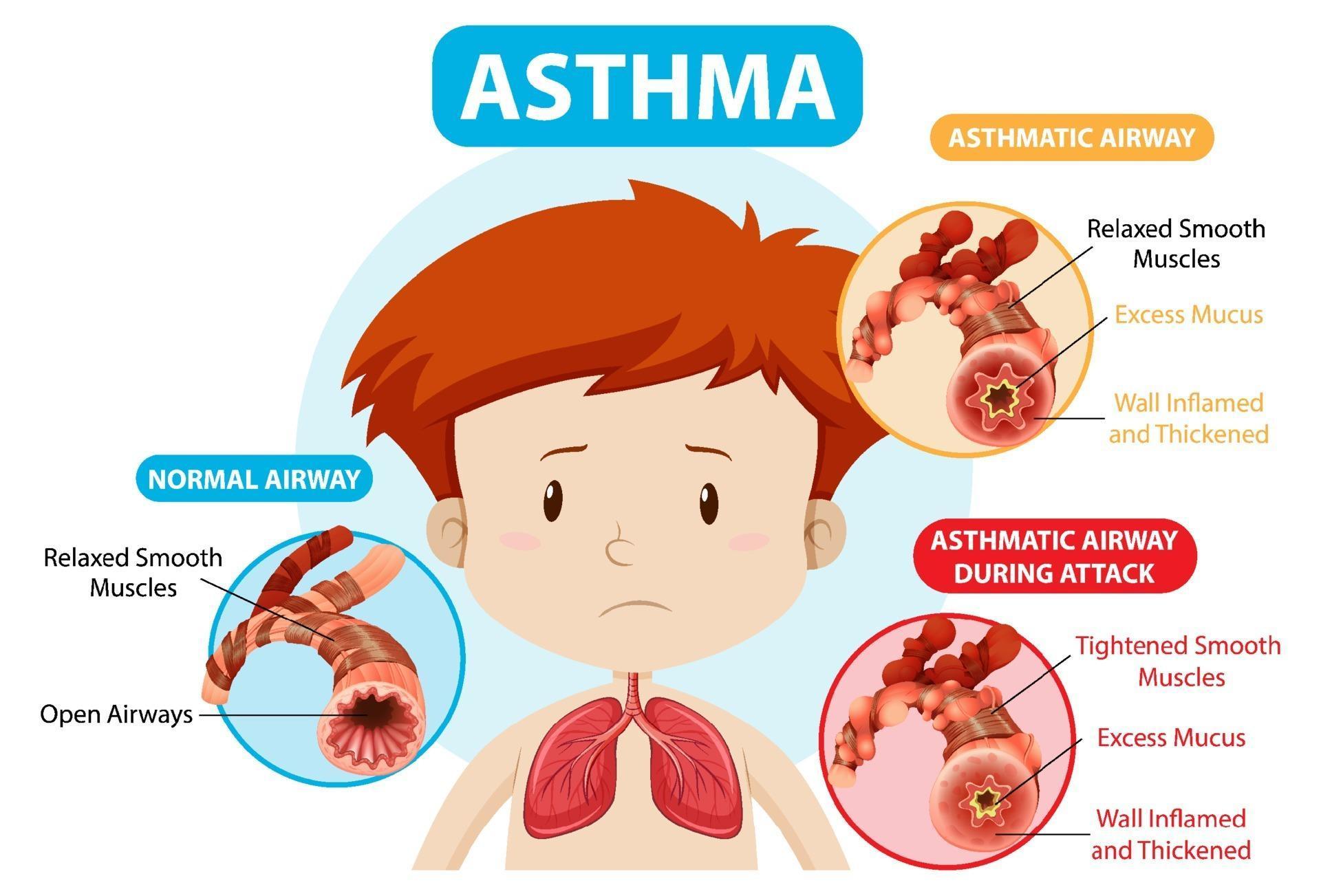
Rhinovirus, the primary cause of the common cold, occupies a different niche than SARS-CoV-2. While often mild in healthy adults, Rhinovirus is a known trigger for asthma exacerbations and can lead to more serious complications in individuals with underlying chronic respiratory conditions. The World Health Organization (WHO) has noted that the interplay between various respiratory viruses can complicate clinical diagnoses, as symptoms often overlap.
How do RSV, Rhinovirus, and SARS-CoV-2 compare?
Understanding the clinical differences between these viruses is essential for effective triage and treatment. While all three primarily target the respiratory tract, their impact on different age groups varies significantly. For example, while SARS-CoV-2 has shown a wide range of severity, RSV remains a leading cause of hospitalization in infants due to its tendency to cause bronchiolitis.
| Virus Type | Primary Target/Symptom | High-Risk Groups | Primary Clinical Concern |
|---|---|---|---|
| SARS-CoV-2 | Lower respiratory tract; fever, cough, loss of taste/smell | Elderly, immunocompromised | Pneumonia, long-term systemic effects |
| RSV | Small airways (bronchioles); wheezing, rapid breathing | Infants, older adults | Bronchiolitis, severe respiratory distress |
| Rhinovirus | Upper respiratory tract; congestion, sore throat | Asthma patients, young children | Asthma attacks, secondary infections |
The clinical distinction is vital for healthcare providers. While a patient with Rhinovirus might present with significant nasal congestion, a patient with RSV is more likely to exhibit signs of respiratory distress, such as labored breathing or wheezing, which requires more immediate medical intervention. The CDC emphasizes that distinguishing these viruses through diagnostic testing is increasingly important for managing hospital capacity during peak seasons.
What new medical tools are available for RSV prevention?
The resurgence of RSV has accelerated the development of new preventative technologies. For several decades, medical intervention for RSV focused primarily on managing symptoms in hospitalized patients. However, recent advancements have introduced both monoclonal antibodies and vaccines to target the virus before it causes severe illness.
One significant development is the approval of Nirsevimab, a long-acting monoclonal antibody designed to protect infants from RSV-related lower respiratory tract disease. Unlike traditional vaccines that prompt the body to create its own immune response, Nirsevimab provides “passive immunity” by delivering ready-made antibodies directly to the infant. This is particularly useful for newborns who have not yet developed their own robust immune systems.
For older adults, the landscape has also changed. The FDA has approved several RSV vaccines specifically for adults aged 60 and older. These vaccines aim to reduce the risk of severe illness and hospitalization, which is a critical goal given that older populations are increasingly vulnerable to the complications of respiratory infections. Public health officials encourage discussions with healthcare providers to determine which preventative measures are appropriate based on individual risk factors.
How can individuals manage respiratory virus risks?
While vaccines and monoclonal antibodies provide significant protection, public health experts maintain that traditional hygiene practices remain effective components of a broader prevention strategy. Because multiple viruses are circulating simultaneously, a multi-layered approach is recommended to reduce the overall burden on healthcare systems.
- Vaccination: Staying up to date with recommended vaccines for COVID-19, influenza, and RSV (where applicable) remains a primary defense.
- Hand Hygiene: Regular washing with soap and water or using alcohol-based sanitizers helps mitigate the spread of Rhinovirus and other surface-borne pathogens.
- Air Quality: Improving ventilation in indoor spaces can reduce the concentration of viral particles in the air.
- Symptom Management: Staying home when experiencing fever, cough, or congestion helps prevent the transmission of viruses to more vulnerable members of the community.
Health authorities also suggest that individuals with chronic conditions, such as asthma or COPD, should consult their physicians regarding seasonal preparedness. Early identification of symptoms and prompt treatment can prevent a mild viral infection from progressing into a severe medical emergency.
Frequently Asked Questions
Is RSV more dangerous than the common cold?
While both can cause similar upper respiratory symptoms, RSV is more likely to cause lower respiratory tract infections, such as bronchiolitis or pneumonia, which can be life-threatening for infants and the elderly. The common cold, usually caused by Rhinovirus, is typically less severe but can trigger asthma attacks.

Why did viruses seem to disappear during the pandemic?
The combination of widespread masking, social distancing, and limited travel significantly reduced the opportunities for viruses to move from person to person. This created a temporary lull in the normal transmission cycles of seasonal respiratory illnesses.
Can I get both COVID-19 and RSV at the same time?
Yes, co-infection is possible. Because these viruses target similar areas of the respiratory tract, having both can increase the severity of symptoms. Healthcare providers recommend testing for multiple pathogens if symptoms are severe.
Are RSV vaccines effective for everyone?
Current RSV vaccines are specifically indicated for older adults and, in some cases, pregnant individuals to protect the newborn. They are not currently a universal vaccine for all age groups, so it is important to check current medical guidelines.
Public health agencies continue to monitor viral circulation patterns and will provide updated guidance as new data on transmission and vaccine efficacy becomes available. For the most recent local advisories, residents should consult their regional health department or the official CDC website.
Do you have questions about recent respiratory health trends? Share your thoughts in the comments below and share this article to help keep your community informed.
Keep reading