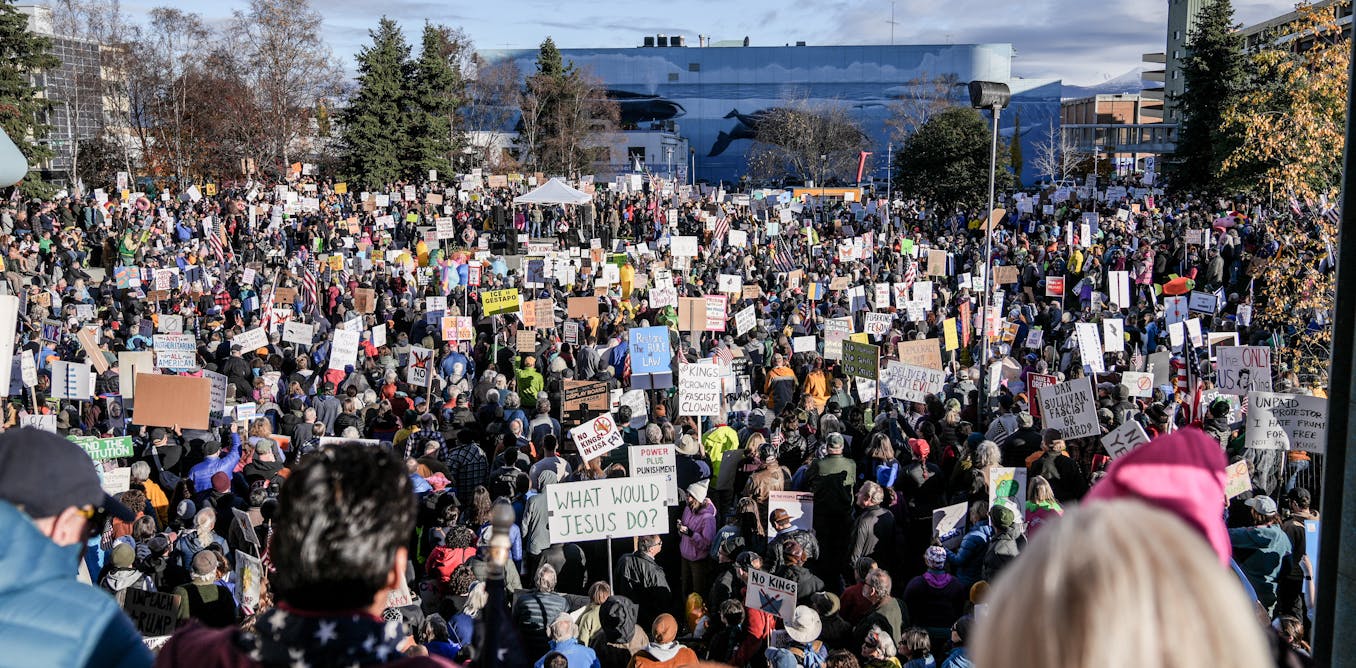
Safeguarding Democracy: A Practical Guide to Resilience in the 21st Century
Democracy faces a global challenge. A concerning trend reveals autocracies now outnumber democracies for the first time in two decades, with a mere 12% of the world’s population enjoying the benefits of a liberal democracy. The future of self-governance isn’t predetermined, and its preservation demands proactive engagement and strategic resilience. This guide outlines practical strategies for individuals and communities to defend and strengthen democratic principles,drawing lessons from historical resistance and leveraging modern tools.
Understanding the current Landscape
recent years have witnessed a worrying decline in democratic norms, even within established democracies like the United States. This isn’t simply a political shift; it’s a multifaceted erosion of institutions, trust, and civic participation. Autocratic regimes are simultaneously becoming more sophisticated in their repressive tactics, necessitating a corresponding evolution in defense strategies.
You might be wondering what you can do in the face of such daunting trends. The answer lies in understanding the core principles of democratic resilience and applying them at individual and collective levels.
Ten Pillars of Democratic Defense
Hear are ten key strategies, informed by historical precedent and contemporary challenges, to bolster democracy:
1. Cultivate a Culture of Truth.
Disinformation poses a significant threat to informed decision-making. Prioritize fact-checking, support independent journalism, and critically evaluate facts sources.
2. Strengthen Civic Education.
A well-informed citizenry is the bedrock of a functioning democracy. Advocate for comprehensive civic education in schools and communities, focusing on democratic principles, rights, and responsibilities.
3. Promote Inclusive Participation.
Democracy thrives when all voices are heard. Encourage broad participation in the political process, especially among marginalized communities, and actively combat voter suppression efforts.
4. Build Independent Media Ecosystems.
Independent media serves as a vital check on power. Support local journalism, investigative reporting, and alternative media outlets that prioritize accuracy and accountability.
5. Foster Cross-Sector Collaboration.
Democratic defense requires a united front. Encourage collaboration between civil society organizations, activists, academics, and concerned citizens.
6. Embrace Nonviolent Resistance.
History demonstrates the power of nonviolent civil resistance in challenging oppression. Study successful movements and prepare for peaceful action when necessary.
7. Develop Parallel Institutions.
When formal systems fail, communities can create alternative structures to meet their needs. Consider establishing independent legal aid organizations, community-based media, or alternative economic systems.
8. Utilize Informal Economic Systems.
Throughout history, communities facing repression have developed alternative economic networks.These systems, operating outside formal control, can sustain resistance and build future visions. For example, during periods of intense repression in Kosovo, such informal systems proved crucial for survival and maintaining a sense of autonomy.
9. Document Abuses, Protect People, reinforce Truth.
Modern technology empowers citizens to document injustice. You can record repressive incidents, track corruption, and archive historical evidence. Consider supporting organizations dedicated to preserving vital records, like those documenting slavery or human rights violations in Syria. Accompanying those most vulnerable to abuse is another powerful form of witness.
10. Mitigate Risk, Learn and Innovate.
The landscape of repression is constantly evolving.Democracy defenders must adapt, train for diverse scenarios, and strategically support each other.The success rate of nonviolent resistance is declining, so continuous learning and innovation are essential.
The Power of Solidarity
International solidarity plays a crucial role in supporting democratic movements. Look at the support provided by the European Union to democrats in Belarus and Georgia. Online movements, like the Milk tea Alliance in Southeast Asia, demonstrate the power of transnational collaboration.
These examples highlight the importance of connecting with and supporting fellow democracy advocates around the world.
Your Role in Securing the Future
The decline of American democracy is not inevitable. The choices you make – from how you consume information to how you engage in your community – will shape the future.
The fate of the global democratic experiment may well rest on the actions of individuals like you. It requires vigilance, courage, and a commitment to the principles of self-governance.
Resources for Further Exploration:
*[[[[
Worth a look