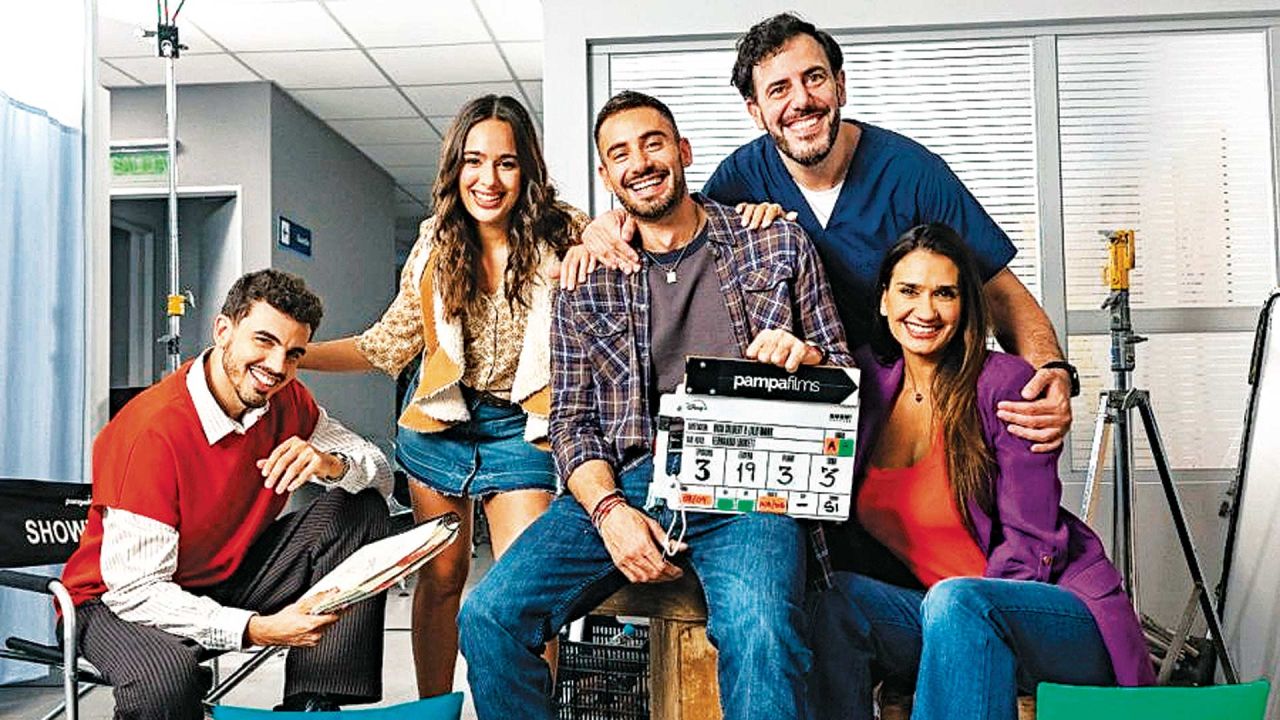
The landscape of digital media in Argentina has undergone a seismic shift, moving beyond traditional broadcasting models toward a more personalized, interactive streaming ecosystem. This transformation is driven by a new wave of content creators who have successfully bridged the gap between radio-style talk formats and the visual, on-demand nature of modern internet platforms. Figures such as Migue Granados, Nicolás Occhiato, and the team behind Blender have become central to this movement, reshaping how audiences consume entertainment and information.
As the industry matures, the term “streaming” has expanded to encompass a diverse range of formats—from daily live talk shows and comedy sketches to high-production musical performances. This shift reflects a broader global trend where digital-native channels are competing directly with legacy media for advertising revenue and cultural relevance. For audiences, the appeal lies in the authenticity and spontaneity that these platforms offer, creating a sense of community that traditional media often struggles to replicate.
The Evolution of Digital Broadcasting
The rise of these platforms marks a departure from the rigid scheduling of conventional radio and television. By leveraging platforms like YouTube and Twitch, creators are able to maintain a constant dialogue with their audience through real-time chat features and social media integration. This creates a “second screen” experience where the content is not just consumed, but actively discussed and shaped by the viewers themselves.
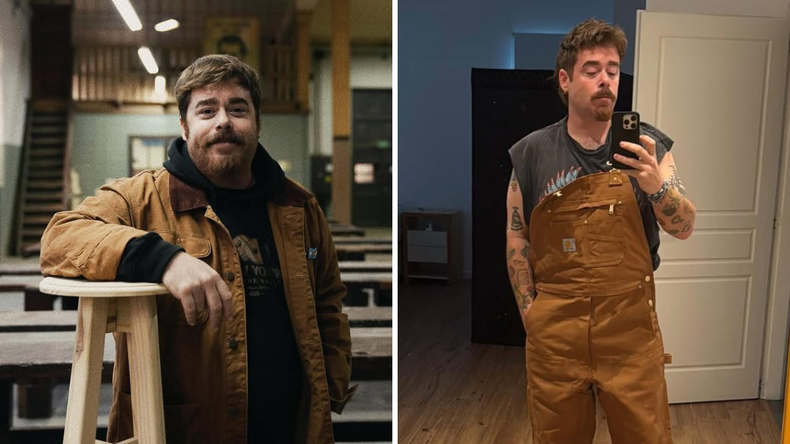
For those tracking the growth of these digital ventures, the shift is not merely technological but cultural. The success of channels like Olga and Luzu TV, for instance, has demonstrated that there is a significant appetite for unscripted, long-form content that feels like a conversation among friends. This model has proven highly effective at cultivating loyal fan bases, which in turn attracts brand partnerships and sponsorships—the primary revenue engines for these digital outlets.
Key Players Driving the Transformation
The digital media ecosystem in Argentina has been defined by a few high-profile creators who have successfully transitioned from traditional media backgrounds to digital-first entrepreneurship. Migue Granados has been a pivotal figure in this space, utilizing his background in humor and performance to build a platform that feels both professional and intimately personal. Similarly, Nicolás Occhiato’s work with Luzu TV has set a benchmark for how digital channels can scale while maintaining a distinct, recognizable identity.
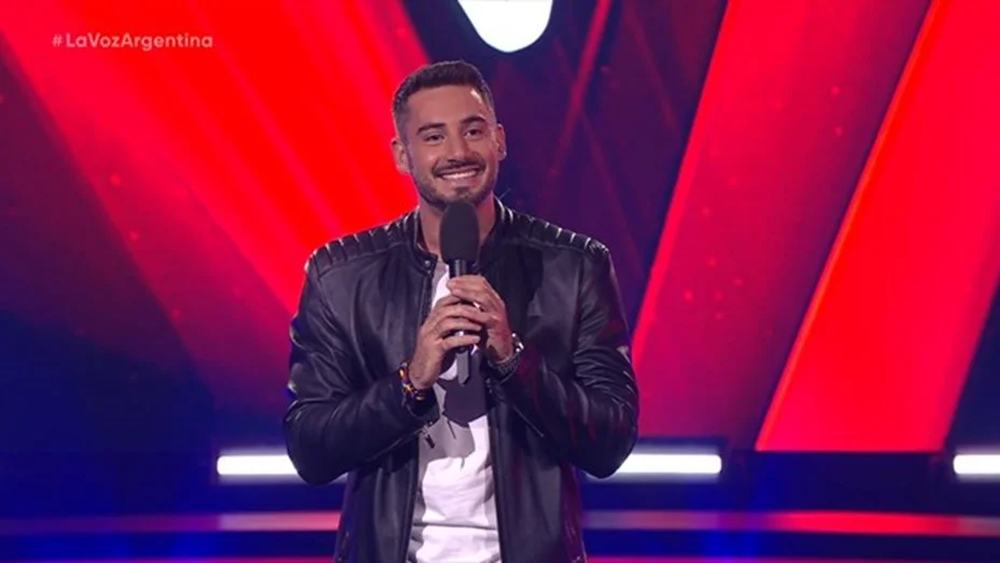
These creators have effectively “professionalized” the streaming space, moving away from the solitary influencer model toward a collaborative, team-based approach. By producing daily, multi-hour programming, they provide a consistent viewing experience that rivals traditional morning and afternoon radio slots. As noted by industry analysts, this movement represents a significant disruption in the media market, forcing traditional broadcasters to re-evaluate their digital strategies to remain competitive in an increasingly fragmented attention economy.
What Lies Ahead for the Streaming Sector
As this sector continues to evolve, the focus is shifting toward sustainability and monetization. While the initial growth was driven by viral moments and audience engagement, the current phase involves building durable business structures that can withstand market fluctuations. This includes diversifying content offerings, exploring subscription-based models, and expanding into live events and merchandise.
The integration of these digital channels into the broader media landscape suggests that the distinction between “streaming” and “broadcasting” will continue to blur. As internet connectivity improves and smart devices become more ubiquitous, the barrier to entry for high-quality, live digital content will drop even further. For viewers, In other words an unprecedented variety of choices, while for advertisers, it necessitates a pivot toward platforms that can offer deep, engaged connections with their target demographics.
The next major checkpoint for the industry will likely be the annual reporting of digital ad spend versus traditional media allocations, which will provide a clearer picture of how these streaming platforms are impacting the overall advertising market. As these organizations continue to formalize their operations and expand their reach, industry observers will be watching closely to see which models prove most resilient in the long term.
We invite our readers to share their thoughts on the evolution of streaming in the comments section below. How has your media consumption changed over the last few years, and do you find yourself turning to digital-native channels more often than traditional television or radio? Join the conversation and let us know your perspective on the future of entertainment.
Related reading