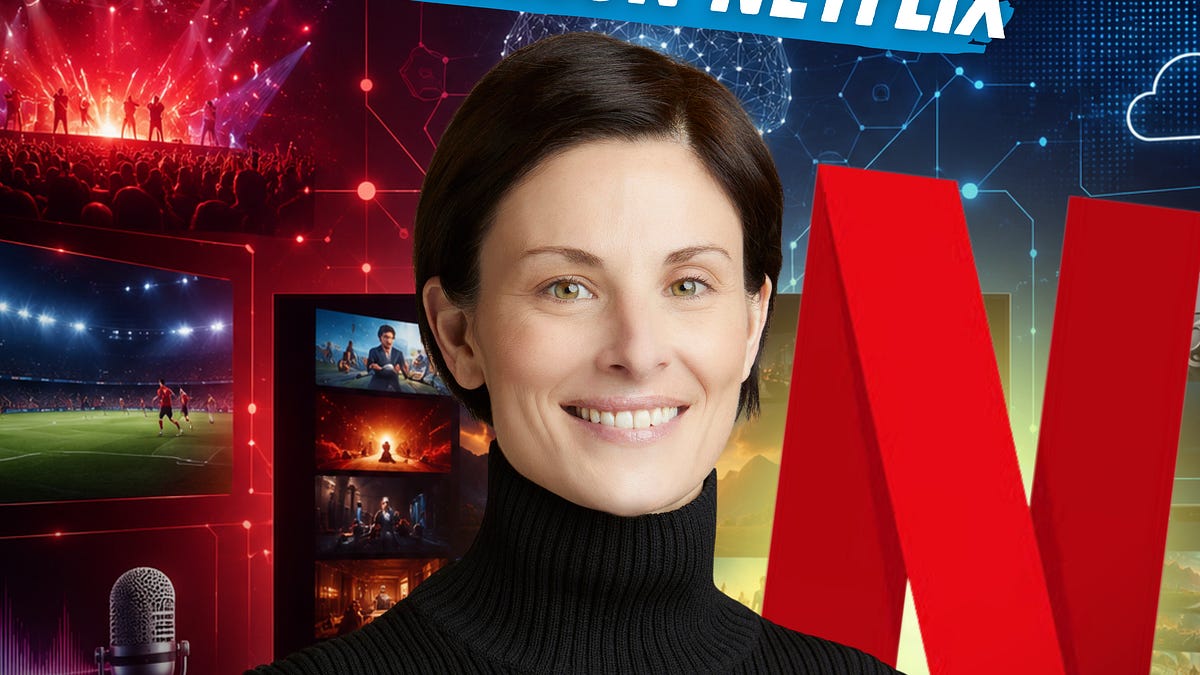
Netflix is increasingly integrating artificial intelligence into its production and content recommendation workflows to optimize viewer engagement and operational efficiency. Elizabeth Stone, the company’s Chief Technology Officer, has publicly stated that the streaming giant views machine learning and AI as essential tools for scaling its global entertainment offerings rather than as replacements for human creativity.
According to official company statements, Netflix utilizes AI to refine its recommendation algorithms, which personalize the viewing experience for over 277 million paid memberships worldwide as of the second quarter of 2024. These systems analyze historical viewing data to suggest titles, effectively reducing the time users spend searching for content, a metric the company identifies as a critical driver of subscriber retention. The company reported a total revenue of $9.56 billion for the second quarter of 2024, a figure heavily influenced by its ability to keep users engaged through these personalized interfaces.
How Netflix Deploys Machine Learning in Production
Beyond the user interface, Netflix applies machine learning to the physical production of its original content. Elizabeth Stone has highlighted that the company uses data-driven insights to assist in production planning, including optimizing filming schedules and resource allocation. By analyzing historical production data, the company aims to predict potential bottlenecks in project workflows, allowing for more precise budgeting and logistical management.
This technical infrastructure is supported by the company’s internal platforms, which process massive datasets to assist creators in making informed decisions about project viability and audience targeting. While the company maintains that these tools are intended to support human decision-making, the integration of such technologies into the creative process remains a subject of ongoing scrutiny within the entertainment industry. The 2023 SAG-AFTRA contract negotiations, which concluded in December 2023, specifically addressed the use of generative AI, establishing new guardrails to protect the likeness and creative contributions of performers.
Personalization and the Recommendation Engine
The core of the Netflix experience remains its recommendation algorithm, which has evolved significantly since the company transitioned from a DVD-by-mail service. The system does not merely rely on genre preferences; it incorporates complex signals, including the time of day a user watches, the device used, and the completion rate of specific titles. This predictive modeling helps the platform determine which thumbnail images are most likely to entice a specific user to click on a title, a process known as “artwork personalization.”
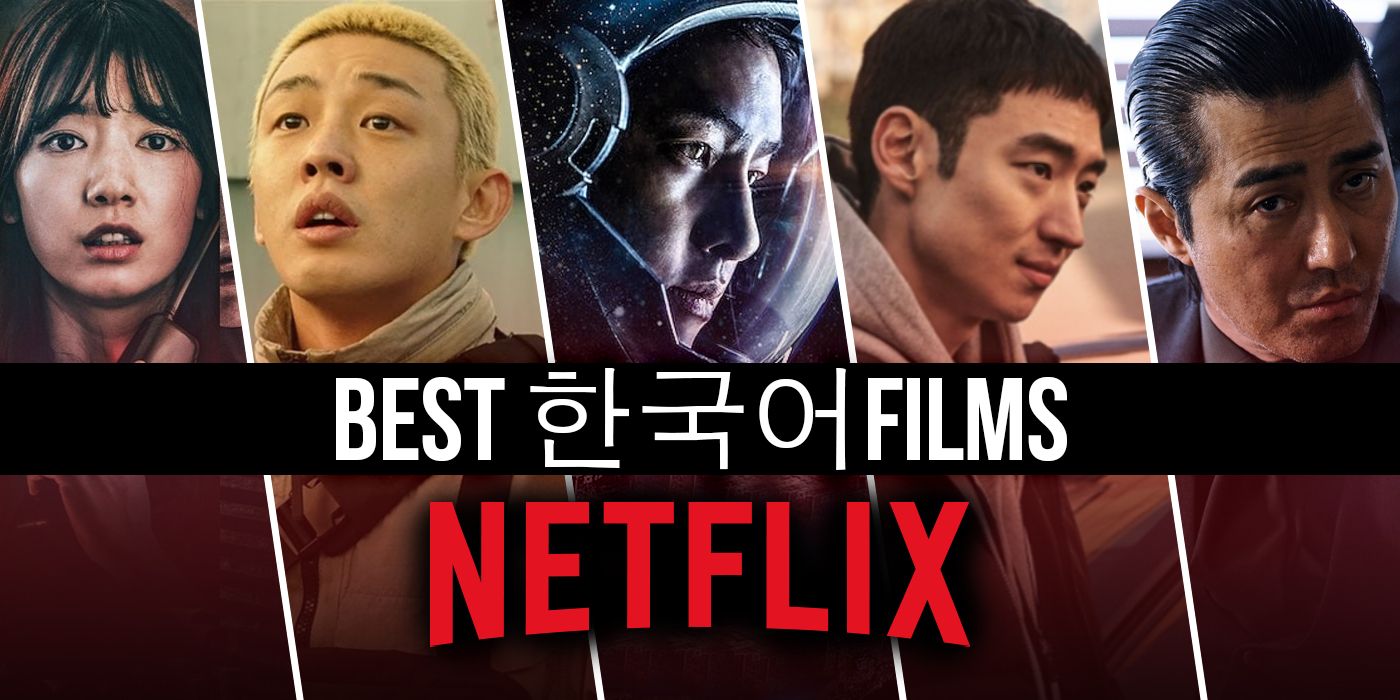
This approach allows Netflix to present a unique version of its homepage to every subscriber. By leveraging these AI-driven systems, the company manages to surface a vast library of international content to audiences that might not otherwise discover it. For instance, the global success of non-English series, such as the South Korean drama Squid Game, has been attributed in part to the platform’s ability to effectively match international content with viewers globally based on behavioral patterns rather than demographic assumptions.
Addressing Industry Concerns Regarding AI
The adoption of AI in Hollywood has prompted significant debate regarding the future of creative labor. Elizabeth Stone and other Netflix executives have consistently emphasized that the company’s objective is to “augment” the capabilities of filmmakers. In various corporate communications, Netflix has distanced itself from the idea of fully automated content generation, focusing instead on using AI for post-production tasks like localization—such as dubbing and subtitle generation—which allows content to reach international markets faster and more accurately.
Despite these assurances, the broader industry remains focused on the ethical implications of AI training models. The Writers Guild of America (WGA) also secured protections in their 2023 agreement, ensuring that AI-generated material cannot be considered “literary material” or “source material” in a way that would deprive human writers of credit or compensation. These legal frameworks represent the current industry standard for how major studios, including Netflix, are permitted to utilize generative AI in the creative process.
What Happens Next for Streaming Technology
The next phase of Netflix’s technological strategy involves further refining its real-time processing capabilities. As the company expands its presence in live events and gaming, the demand for low-latency, high-precision recommendation systems will increase. Investors and industry analysts are currently monitoring the company’s quarterly earnings reports for updates on how these technological investments are impacting operating margins.

The company is scheduled to announce its next set of financial results in the coming months, providing the next formal checkpoint for understanding the fiscal impact of its AI-driven operational strategy. Readers interested in the intersection of technology and entertainment are encouraged to follow official press releases from the company and reports from industry regulatory bodies for further updates.
Do you have thoughts on how AI is shaping the future of streaming? Share this article and join the discussion below.
Related reading