
The landscape of survival horror gaming is bracing for a potential shift as anticipation builds around the upcoming hardware cycle, specifically regarding the successor to the Nintendo Switch. Among the titles currently capturing industry attention is Beyond the Dark: Nightwatch, a cooperative horror project that has recently surfaced in various industry reports. While the gaming community is eager for details on next-generation titles, it is important to distinguish between confirmed developer announcements and the speculative discourse currently surrounding the “Switch 2” ecosystem.
As we monitor the intersection of emerging hardware and software innovation, Beyond the Dark: Nightwatch stands out as a prime example of the heightened interest in cooperative horror experiences. The title, which has been associated with a shift toward atmospheric, team-based gameplay, represents a growing trend where developers aim to leverage new hardware capabilities to foster “irreplaceable” or highly specific player experiences. However, as of this writing, Nintendo has not provided official, detailed specifications or a formal unveiling of its next-generation console, leaving much of the current industry chatter in the realm of industry analysis rather than confirmed release-day documentation. According to Nintendo’s official investor relations disclosures, the company remains focused on its current platform strategy while acknowledging that development on future hardware is ongoing.
The Evolution of Cooperative Horror
The genre of cooperative horror has seen a significant resurgence in recent years, moving away from purely single-player narratives to systems that emphasize communication and environmental tension. Titles like Phasmophobia and Dead by Daylight have paved the way for games like Beyond the Dark: Nightwatch to experiment with mechanics that require players to rely on one another to survive. The core concept behind these projects often involves a “night watch” or surveillance-based loop, where one player might manage security feeds while others navigate a physical space, creating an asymmetrical power dynamic that heightens the sense of vulnerability.
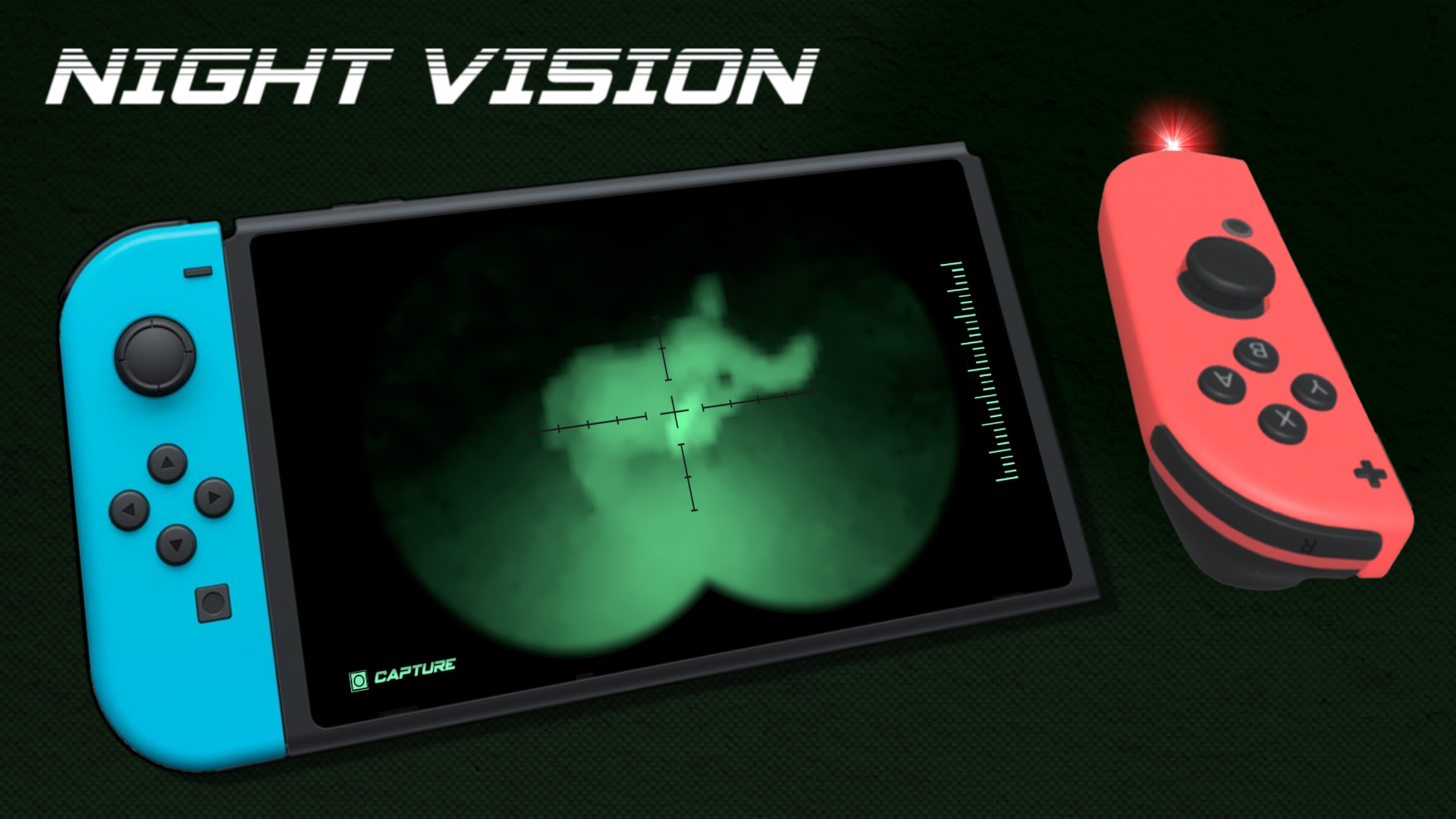
In the context of software development, creating a truly immersive horror experience requires a delicate balance of lighting, sound design and frame-rate stability. From my background in software engineering, I can tell you that the “feel” of a game—the latency between a player’s input and the environment’s reaction—is the difference between a jump scare that lands and one that feels artificial. If developers are targeting a new console, they are likely looking to utilize enhanced processing power to handle more complex lighting models and spatial audio, which are essential for effective horror.
Distinguishing Speculation from Reality
Navigating the rumor mill is a standard part of the modern gaming journalist’s workflow, but it is vital to remain grounded in verified facts. Much of the recent discussion surrounding Beyond the Dark: Nightwatch and other titles, such as Bloober Team’s Project M, has been linked to the persistent rumors of the Nintendo Switch successor. While it is common for studios to be working on prototypes for upcoming hardware, these projects are often subject to change, delay, or internal restructuring.
For readers looking for clarity, a “trailer” or a “concept announcement” does not always equate to a finalized product. As reported by Reuters, Nintendo President Shuntaro Furukawa confirmed in May 2024 that the company intends to make an announcement regarding its next console within the current fiscal year. Until that official announcement occurs, many claims regarding “exclusive” titles for the new hardware should be viewed as preliminary industry reports rather than official product roadmaps.
What to Watch for in the Coming Months
For those tracking the development of Beyond the Dark: Nightwatch, the most reliable way to stay informed is to follow official channels from the developers themselves rather than third-party aggregators. Developers often share progress updates via their own websites or verified social media accounts, which serve as the primary source of truth for release windows and platform support.
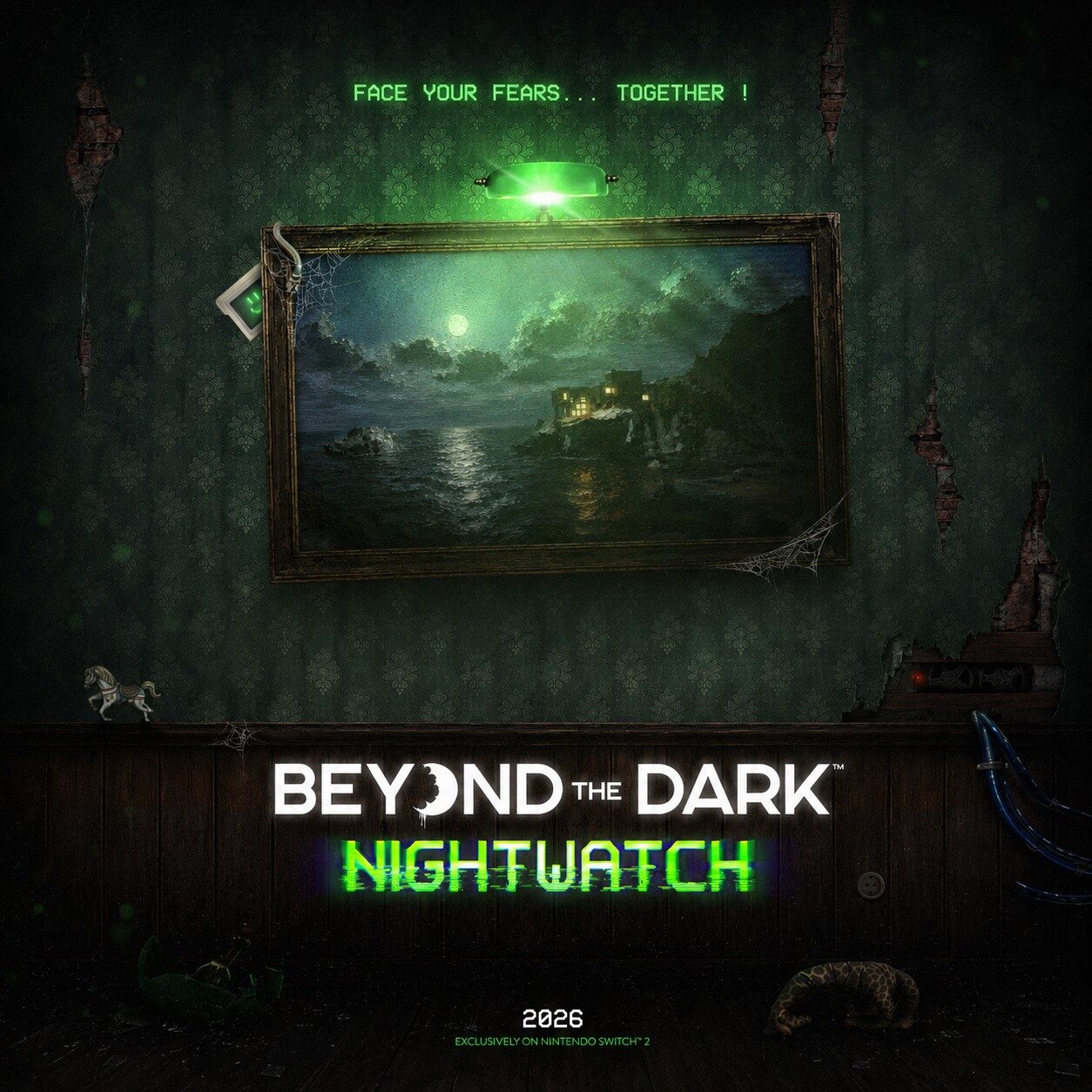
Key indicators to watch for include:
- Official press releases from the game’s publisher or studio.
- Formal announcements from hardware manufacturers regarding platform compatibility.
- Age rating board filings (such as ESRB or PEGI), which are often the first public signs that a game is nearing a finished state.
As we look toward the next chapter of gaming, the promise of more powerful, portable hardware is certainly exciting. Whether Beyond the Dark: Nightwatch will indeed define the next generation of cooperative horror remains to be seen, but the industry’s focus on this title highlights a clear demand for more sophisticated, team-oriented scares. I will continue to track these developments as more concrete information becomes available from the studios involved.
What are your thoughts on the direction of cooperative horror? Do you prefer the isolation of single-player experiences, or does the added layer of social interaction in games like Beyond the Dark: Nightwatch make for a more compelling experience? Share your thoughts in the comments below—I look forward to hearing your perspective on where the genre is headed next.
Related reading