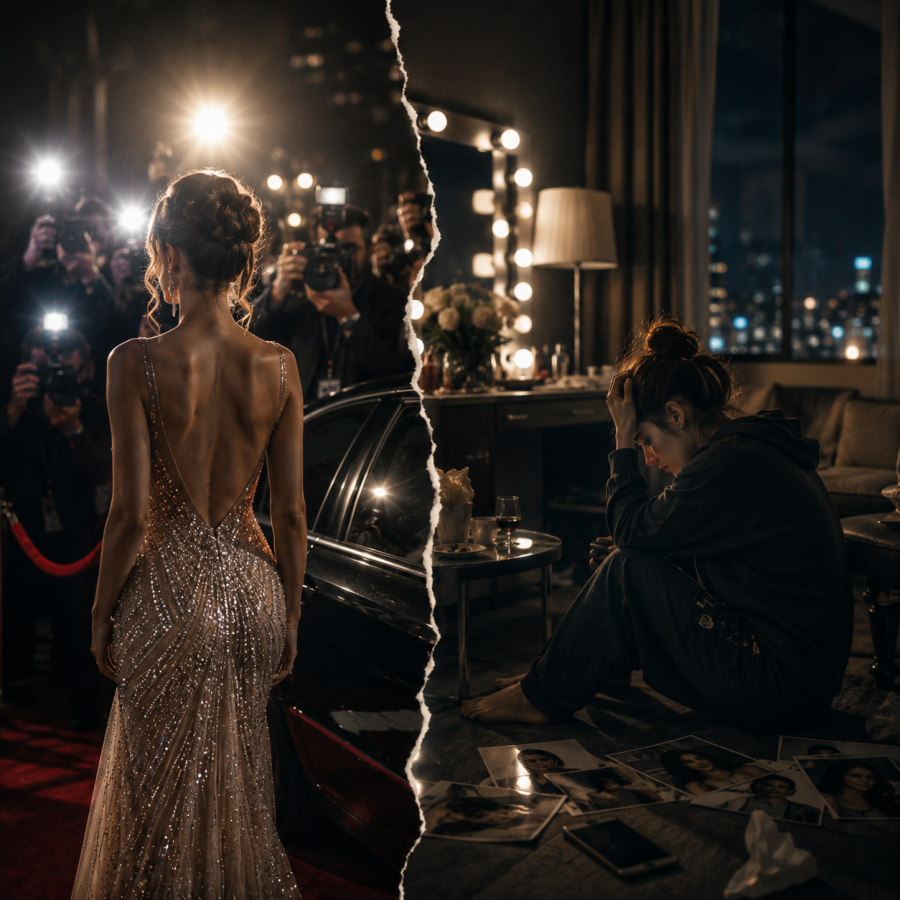
Public discourse surrounding the digital image of public figures reached a focal point during the LAMPA Conversation Festival, where industry professionals and influencers examined the disconnect between curated social media personas and lived reality. The discussion, titled “Celebrities Behind Filters and Glamour,” explored the psychological impact of digital image management and the growing public demand for authenticity in an era dominated by polished online aesthetics.
According to organizers of the LAMPA Conversation Festival, the event serves as a platform for open dialogue on societal issues, including the influence of digital media on public perception. The session addressed how high-definition filters, professional editing, and carefully constructed narratives shape the way audiences perceive fame, often creating unattainable standards for beauty and lifestyle. By deconstructing these digital layers, participants aimed to provide a more transparent view of the pressures faced by those in the public eye.
The conversation highlighted the tension between personal branding and mental well-being. Experts in digital media and psychology have long noted that the constant exposure to idealized images on platforms like Instagram and TikTok can lead to increased anxiety and body dissatisfaction among users. At the festival, the discourse shifted toward the responsibility of influencers to maintain a balance between professional presentation and genuine human connection, a topic that has become a staple of modern digital literacy discussions.
The Evolution of Digital Persona Management
The rise of social media has fundamentally altered the relationship between celebrities and their audiences. Historically, public figures relied on traditional media—magazines, television, and press tours—to manage their image. Today, the direct line of communication provided by personal social media accounts allows for real-time engagement, but it also creates a constant pressure to remain relevant and visually perfect. This shift has turned the “filter” from a simple tool into a core component of brand maintenance.
Participants at the LAMPA session analyzed how this shift impacts both the individual and the consumer. For the celebrity, the “glamour” is often a product of a team of professionals, while for the follower, that same image is interpreted as an achievable reality. This perception gap is a central concern for digital media researchers, who argue that the lack of transparency regarding the effort behind these images can distort public expectations. The discussion emphasized that the “behind the scenes” reality is often far more mundane and challenging than the final, filtered product suggests.
Psychological Impacts and the Demand for Authenticity
A recurring theme at the festival was the growing movement toward “radical authenticity.” In recent years, several high-profile figures have moved away from heavily edited content, opting instead for unfiltered photos and discussions about mental health, professional failures, and personal struggles. This trend, often categorized by social media analysts as a response to “curation fatigue,” suggests that audiences are increasingly seeking connection over perfection.
The panel discussion explored whether this move toward authenticity is a genuine shift in industry standards or simply a new, more effective marketing strategy. Skeptics argue that even “authentic” content is still a form of performance, designed to foster a sense of intimacy that encourages brand loyalty. Proponents, however, suggest that normalizing imperfection—such as showing unedited skin texture or discussing the stress of professional life—is a necessary step in mitigating the negative mental health outcomes associated with social media consumption.
Regulatory and Ethical Considerations
Beyond the cultural conversation, there is a growing debate regarding the regulation of digital alterations. Some jurisdictions have begun to implement policies aimed at transparency in advertising. For instance, the UK’s Advertising Standards Authority (ASA) has issued guidance requiring influencers to disclose when they use filters that exaggerate a product’s effectiveness, particularly in the beauty and skincare sectors. These measures represent an attempt to protect consumers from deceptive marketing practices that rely on the digital manipulation of the human form.
The LAMPA session underscored that while formal regulation is one path forward, community-led initiatives and individual accountability remain equally vital. By encouraging critical thinking, media literacy programs aim to help audiences distinguish between a professional digital asset and a candid representation of life. The consensus among the speakers was that while the allure of glamour will likely remain, the value placed on honesty is on an upward trajectory, forcing a recalibration of how fame is presented and consumed.
Looking Ahead: The Future of Digital Engagement
As technology continues to advance, the line between reality and digital artifice will likely become even more blurred. The introduction of AI-generated imagery and advanced deepfake technology poses new challenges for those concerned with the integrity of digital content. Future discussions at forums like the LAMPA festival are expected to focus heavily on the ethical implications of these tools and the potential for a “truth-in-content” standard across all digital platforms.
For those interested in following future sessions or continuing the conversation on media literacy and digital ethics, the official festival program provides a schedule of upcoming events and archived discussions. As the digital landscape evolves, the dialogue surrounding the balance between public image and private truth remains a critical component of healthy media consumption. Readers are encouraged to share their thoughts on the shifting standards of digital authenticity in the comments section below.
Keep reading
- Is Wednesday Ending? Jenna Ortega’s Latest Comments Spark Series Finale Fears
- Jeon So-min’s Brother Jeon Wook-min Speaks Out Against Fake News After Video About Acting Dreams and Delivery Job Goes Viral
- Chiefs Receiver Rashee Rice Calls Jail Time a Reality Check and Learning Experience (world-today-news.com)
- New US Explorer Faces Permitting Reality and Government Rebuke (newsdirectory3.com)