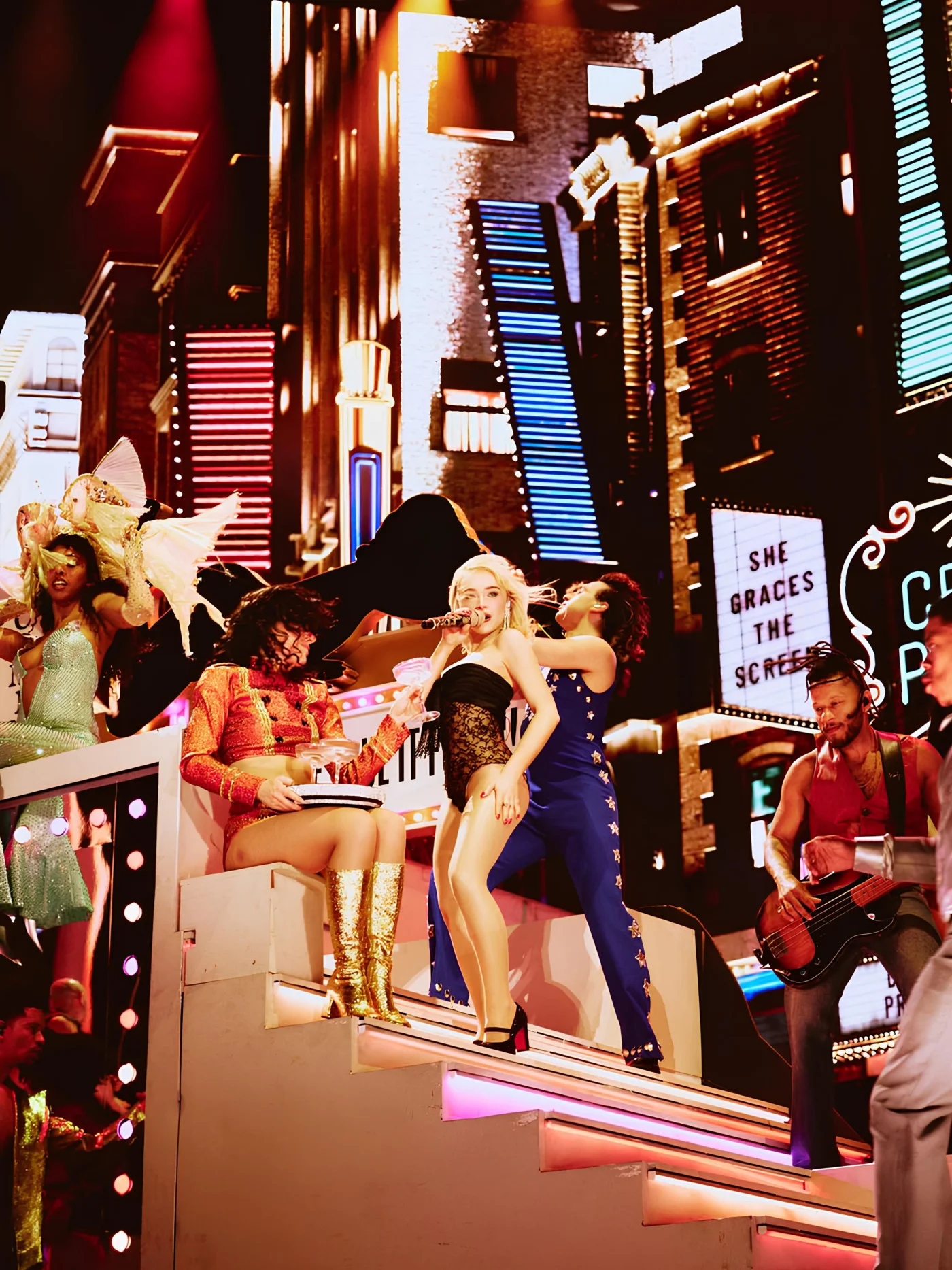
As the desert sun rises over Indio, California, anticipation builds for one of the most anticipated cultural events of the year: Coachella 2026. Known globally as a convergence of music, art, fashion, and celebrity culture, the Coachella Valley Music and Arts Festival continues to evolve beyond its origins as a desert concert into a multifaceted phenomenon that shapes global pop culture each spring.
Held annually in April at the Empire Polo Club in Indio, the festival spans two weekends, typically featuring back-to-back three-day lineups that draw hundreds of thousands of attendees from around the world. While music remains at its core—featuring genres ranging from rock and hip-hop to pop, electronic, and K-pop—the festival’s identity has long been intertwined with large-scale art installations, avant-garde fashion statements, and viral moments amplified across social media platforms.
According to verified reporting, Coachella’s origins trace back to 1999, when promoter Paul Tollett of Goldenvoice launched the inaugural event following years of financial challenges and industry skepticism. Inspired in part by Pearl Jam’s 1993 boycott of Ticketmaster—which led the band to perform at the Empire Polo Club as an alternative venue—the festival was conceived as a response to corporate dominance in live entertainment. Over time, Goldenvoice transformed Coachella from a struggling venture into a flagship event that now influences global music trends, festival design, and youth culture.
The festival’s reputation for musical diversity is well documented. Past lineups have included headliners such as Lady Gaga, Green Day, Post Malone, and Travis Scott, alongside performances by artists like Missy Elliott, Charli XCX, Jennie, Lisa, and ENHYPEN. Surprise appearances by figures such as Brian May, Ed Sheeran, and Billie Eilish have further cemented Coachella’s reputation for delivering unexpected, headline-generating moments.
Beyond the stages, Coachella has become synonymous with large-scale experiential art. Events like Desert X—a biennial exhibition of site-specific installations in the surrounding Coachella Valley—often coincide with the festival weekend, blurring the lines between music performance and contemporary art. These installations, frequently funded by private foundations and curated by international art experts, explore themes such as migration, identity, and environmental transformation, using the stark desert landscape as both canvas and metaphor.
Fashion, too, plays a central role in the Coachella experience. Attendees and celebrities alike use the festival as a platform to debut seasonal trends, often drawing global attention to bohemian, avant-garde, and streetwear aesthetics. Social media platforms light up each April with images of flower crowns, fringe, and bold accessories, influencing retail trends worldwide long after the final set ends.
As of now, official details regarding the 2026 lineup, dates, or ticket pricing have not been released by Goldenvoice or the festival’s organizing bodies. Historical patterns suggest the event will likely occur over two weekends in April, consistent with past editions, but no confirmed schedule has been published. Similarly, while past headliners have spanned multiple genres and generations, no artist announcements for 2026 have been verified through official channels.
Attendees are encouraged to monitor the festival’s official website and verified social media channels for accurate updates as they become available. Until then, Coachella 2026 remains a highly anticipated fixture on the global cultural calendar—a testament to how a desert gathering in Southern California can grow into a defining moment in modern entertainment.
Keep reading