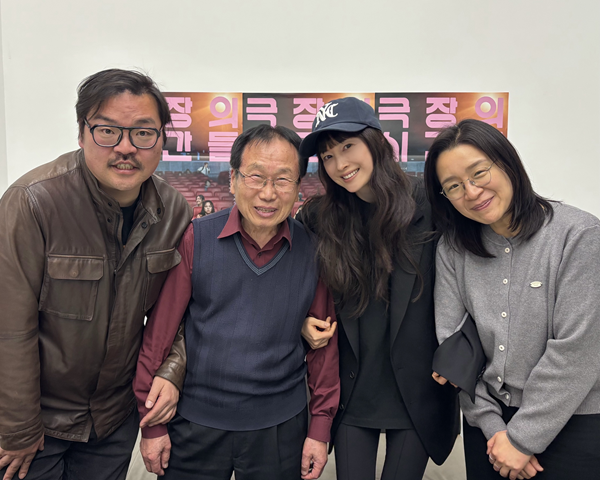
In an era where digital streaming often eclipses the traditional cinema experience, actress Lee Na-young is championing a return to the big screen through a thoughtful act of philanthropy. Reports indicate that a special sponsored screening of the film ‘Times of the Theater’ (극장의 시간들) has successfully concluded, driven by Lee’s commitment to preserving the unique cultural value of movie theaters.
The event was more than a simple movie showing. it was designed as an immersive educational experience. By sponsoring the screening, Lee Na-young aimed to highlight the cinema not merely as a place for consumption, but as a vital space for artistic exploration and communal learning. This initiative has sparked renewed interest in the film, drawing in audiences eager to engage with the work on a deeper level.
Central to the event’s success was the integration of a “Cine-Talk” session and the active participation of the film’s director. These elements transformed the screening into a dialogue, allowing the director to convey the core messages of the work directly to the viewers and fostering a collaborative atmosphere where the audience could explore the nuances of the narrative.
The Cinema as a “School for Exploration”
The guiding philosophy behind the sponsored screening was the belief that the movie theater should function as a “school-like space” for learning and exploring cinema. This perspective shifts the role of the viewer from a passive observer to an active student of the craft, encouraging a more critical and appreciative engagement with film as an art form.
By framing the theater as an educational environment, the event emphasized that the physical space of a cinema—the shared silence, the scale of the screen, and the collective emotional response—is essential to fully understanding a director’s vision. This approach seeks to revitalize the theatrical experience by adding intellectual depth to the visual spectacle.
Bridging the Gap Through Cine-Talks
The inclusion of a Cine-Talk—a specialized format of audience-director dialogue—was pivotal in expanding the reach and impact of ‘Times of the Theater.’ These sessions allow for real-time interrogation of the film’s themes, providing a bridge between the creator’s intent and the audience’s interpretation.
Such interactive formats are becoming increasingly important in the independent film circuit. For instance, specialized cinemas like Cinecube frequently utilize Cine-Talks and barrier-free screenings to make cinema more accessible and intellectually stimulating for diverse audiences. By adopting this model, the ‘Times of the Theater’ screening ensured that the film’s message was not lost in translation but was instead amplified through direct conversation.
The director’s presence provided a layer of authenticity and authority, allowing the audience to delve into the “why” and “how” of the production. This level of transparency often leads to a stronger emotional investment from the viewers, which in turn increases the film’s visibility and longevity in the public consciousness.
Key Impacts of the Sponsored Screening
- Increased Visibility: The sponsorship by a high-profile actress like Lee Na-young brought significant attention to a work that might otherwise have had a limited reach.
- Educational Outreach: By promoting the theater as a space for learning, the event encouraged audiences to approach cinema with a more analytical and appreciative mindset.
- Direct Engagement: The Cine-Talk format broke the “fourth wall,” allowing for a meaningful exchange between the filmmaker and the public.
- Cultural Preservation: The event served as a reminder of the irreplaceable value of physical cinema spaces in an increasingly digital world.
What So for Independent Cinema
The success of the ‘Times of the Theater’ screening suggests a growing appetite for “curated” cinema experiences. Audiences are increasingly seeking more than just a movie; they are looking for community, context, and a connection to the artists behind the screen. When established figures in the industry use their influence to support such initiatives, it creates a sustainable ecosystem for independent films to find their voice.

For the global film community, this event underscores a broader trend toward “slow cinema” and mindful viewing. By treating the theater as a classroom, the organizers have provided a blueprint for how independent films can build loyal audiences through education and engagement rather than traditional marketing alone.
As the industry continues to evolve, the marriage of celebrity sponsorship and intellectual programming may prove to be a powerful tool in ensuring that challenging, artistic works continue to find a home in theaters worldwide.
While there are no further scheduled screenings announced for this specific project at this time, the success of this event sets a precedent for future collaborations between actors and independent filmmakers to champion the theatrical experience.
Do you believe the traditional cinema can survive by becoming more “educational,” or is the shift to streaming inevitable? Share your thoughts in the comments below.
Keep reading